Introduction: The Growing Demand for Mobile Blood Donation
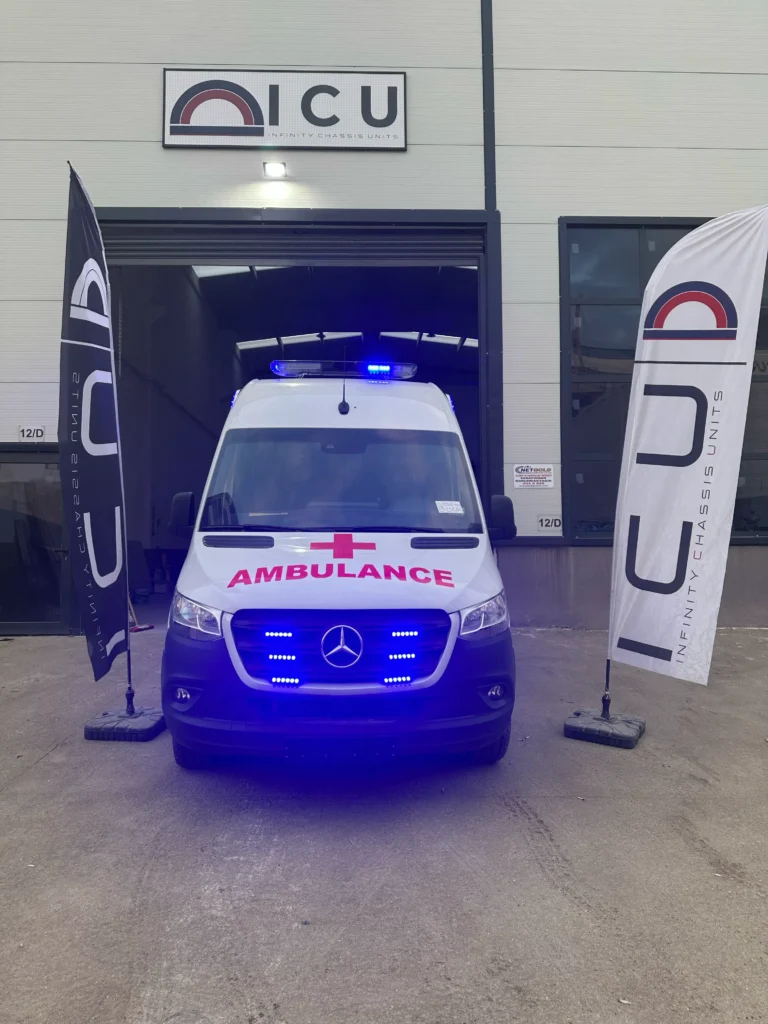
Mobile Blood Donation Van Price; As healthcare systems worldwide seek to increase blood donation accessibility, mobile blood donation vans have become essential assets for blood banks, hospitals, and humanitarian organizations. These specialized vehicles bring life-saving collection services directly to workplaces, universities, community centers, and remote areas. This comprehensive guide explores costs, equipment, and capacity considerations for organizations looking to invest in mobile blood donation solutions.
Cost Breakdown: How Much Does a Mobile Blood Donation Van Cost?
Price Range Overview Mobile Blood Donation Van Price
Mobile blood donation van costs vary significantly based on size, equipment, and customization:
| Van Type | Capacity | Base Vehicle Cost | Conversion Cost | Total Estimated Price | Best For |
|---|---|---|---|---|---|
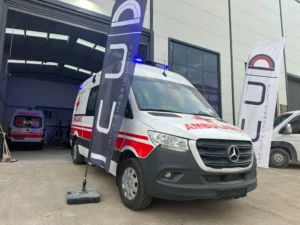
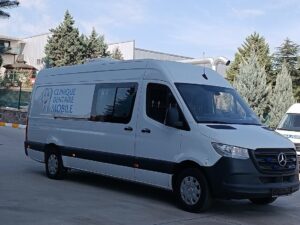
| Small Van (Sprinter/Transit) | 2-3 donation beds | $50,000 – $70,000 | $80,000 – $120,000 | $130,000 – $190,000 | Urban areas, small campaigns |
| Medium Bus (Shuttle Bus) | 4-6 donation beds | $80,000 – $120,000 | $120,000 – $180,000 | $200,000 – $300,000 | Standard blood banks, regular drives |
| Large Coach (Full-size Bus) | 8-12 donation beds | $150,000 – $250,000 | $200,000 – $300,000 | $350,000 – $550,000 | High-volume centers, disaster response |
| Trailer Unit | 4-8 donation beds | N/A | $100,000 – $180,000 | $100,000 – $180,000 | Organizations with existing trucks |
Regional Price Variations
- North America: $180,000 – $400,000 (average complete unit)
- Europe: €150,000 – €350,000
- Middle East: $160,000 – $380,000
- Asia: $120,000 – $250,000
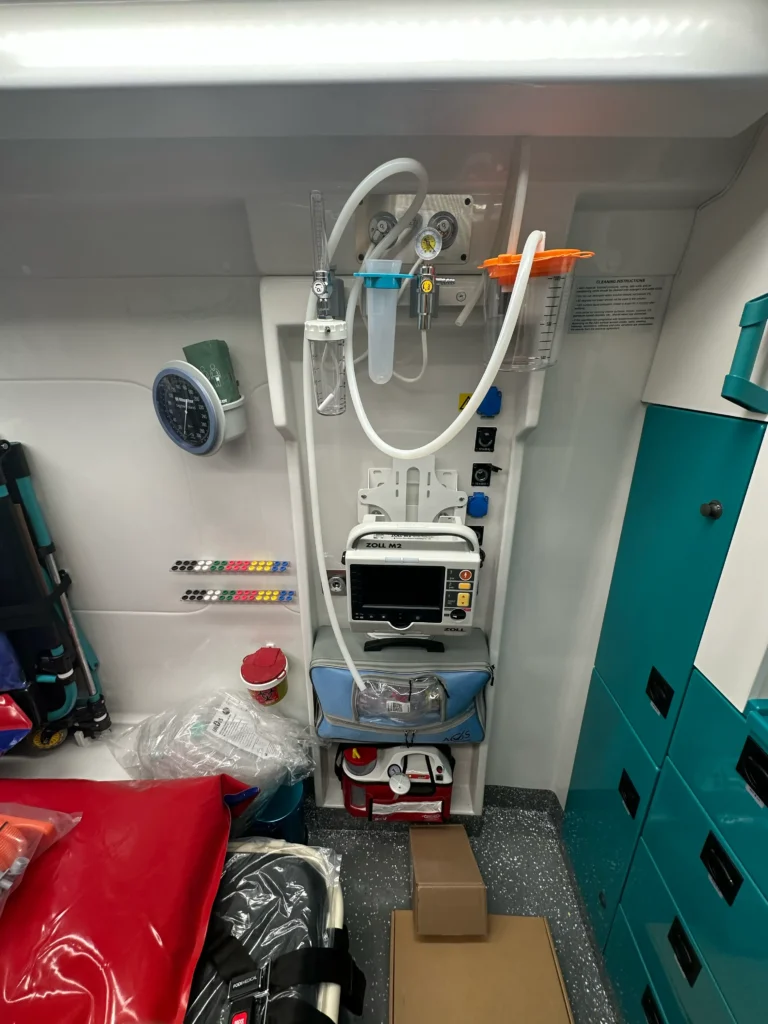
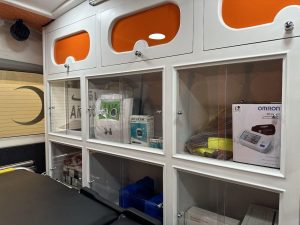
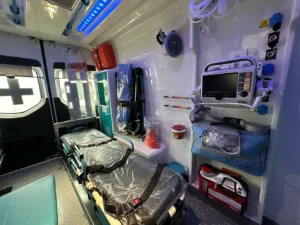
Essential Equipment & Interior Layout
Medical Equipment Package ($30,000 – $75,000)
Donation Station Essentials:
- Phlebotomy chairs (reclining, adjustable): $2,500 – $4,000 each
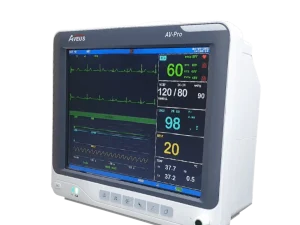
- Blood collection monitors: $3,000 – $6,000
- Donor screening equipment: $5,000 – $10,000
- Portable refrigerators (2-6°C): $3,000 – $8,000
- Blood component storage: $4,000 – $12,000
- Emergency crash cart: $2,500 – $5,000
Specialized Equipment:
- Apheresis machines (optional): $15,000 – $30,000 each
- Blood typing and screening: $8,000 – $15,000
- Electronic donor registration: $5,000 – $12,000
- Mobile laboratory equipment: $10,000 – $25,000
Infrastructure Systems
Climate Control:
- Medical-grade HVAC: $15,000 – $30,000
- Separate temperature zones
- HEPA filtration systems
Power Management:
- Onboard generator (20-50 kW): $8,000 – $20,000
- Solar power integration: $5,000 – $15,000
- Uninterruptible power supply: $3,000 – $8,000
Water & Sanitation:
- Medical handwashing stations: $2,000 – $5,000
- Water purification system: $1,500 – $4,000
- Bio-waste disposal: $1,000 – $3,000
Capacity Planning & Design Considerations
Space Utilization Models
Standard Layout Options:
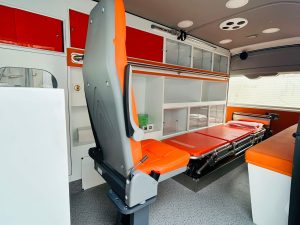
2-Bed Configuration (Compact Van):
- Total interior space: 100-150 sq ft
- Donor beds: 2 phlebotomy chairs
- Staff: 3-4 personnel capacity
- Throughput: 15-25 donors per day
- Best for: Corporate drives, small communities
4-6 Bed Configuration (Shuttle Bus):
- Total interior space: 200-300 sq ft
- Donor beds: 4-6 phlebotomy chairs
- Staff: 6-8 personnel capacity
- Throughput: 40-70 donors per day
- Best for: University campaigns, regular community drives
8+ Bed Configuration (Coach):
- Total interior space: 400-500 sq ft
- Donor beds: 8-12 phlebotomy chairs
- Staff: 10-15 personnel capacity
- Throughput: 80-150 donors per day
- Best for: Disaster response, major events
Workflow Design
Optimized Layout Includes:
- Reception/Registration Area: Donor check-in, screening
- Health Assessment Zone: Vital signs, hemoglobin testing
- Donation Area: Phlebotomy stations
- Recovery Lounge: Post-donation monitoring
- Staff Areas: Break room, storage, administrative space
- Laboratory Processing: Centrifuge, labeling, temporary storage
Customization Options & Special Features
Accessibility Features
- Wheelchair lift: $8,000 – $15,000
- ADA-compliant interior: $5,000 – $12,000
- Adjustable height workstations: $2,000 – $5,000
Technology Integration
- Telemedicine capability: $10,000 – $25,000
- Real-time donor tracking: $5,000 – $15,000
- GPS fleet management: $2,000 – $5,000
- Wi-Fi and cellular boosters: $3,000 – $8,000
Specialized Configurations
- Pediatric Donation Units: Child-friendly design
- Therapeutic Phlebotomy Units: Specialized for medical conditions
- Mobile Plasma Collection: Apheresis-focused setup
- Disaster Response Units: Extended autonomy capabilities
Operational Costs & ROI Considerations
Annual Operating Expenses
| Expense Category | Small Unit | Medium Unit | Large Unit |
|---|---|---|---|
| Insurance | $3,000 – $5,000 | $4,000 – $7,000 | $6,000 – $10,000 |
| Fuel | $6,000 – $10,000 | $8,000 – $15,000 | $12,000 – $20,000 |
| Maintenance | $4,000 – $7,000 | $6,000 – $10,000 | $10,000 – $15,000 |
| Staffing | $80,000 – $120,000 | $120,000 – $180,000 | $180,000 – $250,000 |
| Supplies | $15,000 – $25,000 | $25,000 – $40,000 | $40,000 – $60,000 |
| Total Annual | $108,000 – $167,000 | $163,000 – $252,000 | $248,000 – $355,000 |
Revenue Potential & ROI
Collection Capacity per Drive:
- Average blood units per donor: 1 pint
- Value per unit processed: $200 – $400
- Small van potential: 3,000 – 5,000 units/year
- Large bus potential: 10,000 – 20,000 units/year
Key ROI Factors:
- Location accessibility improvement
- Donor convenience increase (30-50% higher participation)
- Reduced overhead vs. fixed-site collections
- Community engagement and brand building
Regulatory Compliance & Certification
Essential Certifications
- FDA regulations (CFR Title 21)
- AABB (Association for Blood Banks) standards
- State blood bank licensing
- CLIA (Clinical Laboratory Improvement Amendments)
- Vehicle DOT requirements
- ADA accessibility compliance
Quality Control Systems
- Temperature monitoring and logging
- Chain of custody documentation
- Donor identification systems
- Biohazard handling protocols
- Emergency response procedures
Purchase Process Timeline
Step-by-Step Acquisition
- Needs Assessment (2-4 weeks): Determine capacity, features, budget
- Specification Development (4-6 weeks): Detailed equipment lists, layouts
- Vendor Selection (4-8 weeks): RFPs, quotes, factory visits
- Custom Design (6-8 weeks): CAD drawings, 3D models, approvals
- Manufacturing (16-24 weeks): Chassis prep, interior build, systems install
- Testing & Certification (2-4 weeks): Quality control, regulatory approval
- Delivery & Training (1-2 weeks): Staff orientation, operational training
New vs. Used Equipment Considerations
New Unit Advantages:
- Latest safety and efficiency features
- Full warranty coverage (3-5 years)
- Custom design from scratch
- Compliance with current regulations
Used/Refurbished Options:
- Cost Savings: 30-50% less than new
- Availability: Immediate or shorter lead times
- Considerations: Higher maintenance costs, potential obsolescence
- Typical Price Range: $80,000 – $250,000 for refurbished units
Maintenance & Service Requirements
Preventive Maintenance Schedule
- Daily: Equipment calibration, temperature checks
- Weekly: Vehicle systems, generator testing
- Monthly: Medical equipment servicing
- Quarterly: HVAC and electrical system checks
- Annual: Complete certification and recertification
Critical Spare Parts Inventory
- Refrigeration system components
- Electrical system parts
- Phlebotomy chair mechanisms
- Climate control elements
Future Trends in Mobile Blood Collection
Technological Advancements
- Automated Donor Systems: Reduced staff requirements
- Portable Testing: Rapid infectious disease screening
- Telehealth Integration: Remote physician oversight
- Blockchain Tracking: Enhanced blood product traceability
Sustainability Features
- Solar-Hybrid Systems: Reduced generator dependence
- Water Recycling: Conservation in water-scarce regions
- Lightweight Materials: Improved fuel efficiency
- Biodegradable Consumables: Environmental responsibility
Frequently Asked Questions
Q1: What’s the minimum budget for a functional mobile blood donation van?
A: A basic 2-bed unit starts around $130,000-$150,000. For a refurbished option, prices can begin at $80,000-$100,000.
Q2: How long does it take to build a custom mobile blood donation van?
A: Typically 6-9 months from order to delivery, including design, manufacturing, and certification.
Q3: What certifications are absolutely necessary?
A: At minimum: FDA compliance for blood collection, state blood bank license, vehicle DOT certification, and CLIA certification for laboratory testing.
Q4: How many staff members operate a mobile donation unit?
A: Typically 1-2 staff per donation bed, plus driver, coordinator, and potentially security personnel. A 4-bed unit usually requires 6-8 staff.
Q5: Can mobile units handle special collections like platelets or plasma?
A: Yes, but require additional equipment (apheresis machines) and training, adding $15,000-$30,000 per station to the cost.
Q6: What’s the typical lifespan of a mobile blood donation van?
A: With proper maintenance, 10-15 years for the vehicle, with medical equipment upgrades every 5-7 years.
Q7: How do I finance a mobile blood donation van?
A: Options include outright purchase, leasing (operational or capital), grants (especially for nonprofits), and municipal funding partnerships.
Conclusion: Making Your Investment Decision
Mobile Blood Donation Van Price Investing in a mobile blood donation van represents a significant commitment to community health. The $130,000-$550,000 price range reflects varying capacities and capabilities to meet different organizational needs.
Key Decision Factors:
- Volume Requirements: Match capacity to your collection goals
- Geographic Coverage: Consider vehicle size for your service area
- Staffing Resources: Ensure you can properly operate the unit
- Budget Realities: Include both capital and operational costs
- Future Flexibility: Consider expansion and technology integration
For organizations starting out, a smaller van or used/refurbished unit provides an excellent entry point. Larger blood banks serving metropolitan areas or multiple communities may benefit from the higher capacity of coach-style units.
Regardless of size, a well-designed mobile blood donation van can increase collection rates by 30-50% compared to fixed sites alone, making it not just an expense but a strategic investment in sustainable blood supply.
Next Steps: Begin with a detailed needs assessment, consult with experienced manufacturers, and explore funding opportunities specific to healthcare and public service organizations in your region.