Ambulance Costs Explained: A Real-World Pricing and Value Guide

Toyota HiAce Ambulance is Morocco's Ultimate Mobile Medical Solution Picture this: a critical patient in a remote, dusty village in the High Atlas Mountains. A complicated childbirth in a coastal town where the nearest hospital is an hour away. A tourist in distress on a winding, unpaved track in the Sahara. In these moments of vulnerability, the vehicle that arrives isn't just transportation; it's a first line of defense, a mobile clinic, a sanctuary on wheels. And across the diverse and demanding landscapes of Morocco, one vehicle consistently answers the call: the Toyota HiAce Ambulance. This isn't a coincidence. The marriage of Toyota's legendary reliability with the specific, life-saving needs of emergency medical services (EMS) has created a tool that is perfectly suited to the Moroccan context. For NGOs, private ambulance services, and even remote industrial sites, the HiAce isn't just a good choice—it's often the only choice. In this deep dive, we'll explore why the Toyota HiAce has become such an iconic sight on Moroccan roads, its key features, what to look for when sourcing one, and the real-world impact it has on communities from Tangier to Tan-Tan. Part 1: The Moroccan Challenge - A Terrain as Diverse as its People To understand why the HiAce Ambulance excels, you must first appreciate the environment it operates in. Morocco presents a unique set of challenges for any vehicle, let alone one carrying precious human cargo. Extreme Geography: The country boasts everything from the rugged Rif and Atlas Mountains with their steep, serpentine passes, to the vast, sandy expanse of the Sahara, to long, humid coastal plains. An ambulance must be equally capable on a pristine autoroute as it is on a rocky piste (dirt track). Climate Variance: Scorching summer heat in the interior that can push 50°C (122°F), contrasting with freezing temperatures and snow in the mountains during winter. Vehicles are tested to their absolute limits. Urban & Rural Dichotomy: While cities like Casablanca and Rabat have modern infrastructure and advanced hospital networks, rural and mountainous regions can be isolated. Access to timely medical care here is entirely dependent on robust, go-anywhere ambulances. Economic Realities: For NGOs and smaller medical cooperatives, budget is a constant concern. A vehicle must not only be affordable to acquire but, more importantly, cheap and easy to maintain over a long, hard service life. This is the crucible in which the Toyota HiAce Ambulance has been forged and proven. Part 2: The Toyota HiAce - An Icon of Reliability Before we even get to its ambulance conversion, the base Toyota HiAce van is a global legend. For decades, it has been the backbone of commerce and transport across Africa, the Middle East, and beyond. Its reputation is built on a foundation of sheer, uncomplicated toughness. Mechanical Simplicity: The HiAce, particularly the earlier, non-turbo diesel models, is famously simple. With fewer complex electronics and emission systems than European counterparts, they are easier for local mechanics to diagnose and repair. In a small town in the Souss Valley, finding a specialist for a high-tech engine can be impossible, but every mechanic knows the Toyota 2L or 3L diesel engine. Parts Ubiquity: Toyota spare parts are available in virtually every major city and many smaller towns across Morocco. This drastically reduces downtime. A broken ambulance is a tragedy; a quickly repaired one is a triumph of logistics. Proven Durability: The HiAce's robust ladder-frame chassis (on older models) and tough suspension components are built to handle heavy loads and terrible roads. They are known for clocking hundreds of thousands of kilometers with basic, regular maintenance. When you build a critical medical vehicle on this platform, you are starting with the best possible foundation. Part 3: Anatomy of a HiAce Ambulance - More Than Just a Van A standard HiAce van is a blank canvas. The conversion into a fully-fledged ambulance is where it becomes a lifeline. These conversions, often done by specialized bodybuilders in Europe or increasingly in North Africa itself, transform the vehicle into a compact, highly functional mobile medical unit. Key Features of a Well-Converted HiAce Ambulance: Exterior: High-Visibility Livery: Bold colors (typically white with orange and red reflective stripes) and clear "AMBULANCE" lettering ensure it's seen day and night. Emergency Warning System: A full LED light bar on the roof, supplemented by grill and rear lights, and a multi-tone electronic siren to clear traffic. Access Doors: A wide rear double-door for loading the stretcher is essential. A side sliding door often provides access for medical personnel and equipment. Interior Medical Layout: The Stretcher System: The core of the ambulance. A heavy-duty, roller-based stretcher that can be easily loaded and locked into place. It's often accompanied by a fold-down attendant seat at the head of the patient. Medical Cabinetry: Purpose-built, lockable cabinets for organizing vital equipment. These are shock-proof and designed to stay closed even during aggressive driving. They house everything from oxygen cylinders and defibrillators to trauma kits and medications. Oxygen & Suction Systems: A built-in central oxygen outlet and a portable suction unit are non-negotiable for advanced life support (ALS) or even basic life support (BLS) operations. Electrical System: A dedicated, powerful secondary battery system runs all the medical equipment and interior lighting without draining the vehicle's starter battery. This includes 12V and 220V inverters for powering sensitive devices. Communication: A two-way radio is crucial for coordinating with hospitals and dispatch, especially in areas with poor cell phone coverage. Drivetrain and Performance: Engine Options: The most common and recommended engine for Morocco is the 3.0L 1KD-FTV turbo-diesel. It provides a great balance of power and torque for mountainous terrain and high-speed highway travel, while still being relatively fuel-efficient. The older 2.5L and 3.0L non-turbo engines are also reliable but can feel underpowered when fully loaded. 4x4 Capability: While most HiAce ambulances are rear-wheel drive, 4x4 versions do exist and are worth their weight in gold for operations in the Sahara, the Atlas Mountains, or during rainy seasons when dirt roads turn to mud. The added capability can be the difference between reaching a patient and being forced to turn back. Part 4: Sourcing the Right HiAce Ambulance for Morocco If you're an NGO, a private company, or a charitable organization looking to deploy a HiAce ambulance in Morocco, where do you start? New vs. Used: New: The latest-generation HiAce (H300) is a more modern, car-like van with a monocoque chassis. It offers superior comfort, safety (with features like stability control), and power. However, it is more expensive, and its complex electronics may be harder to service in remote areas. It's an excellent choice for urban or inter-city services. Used: The vast majority of HiAce ambulances in service are used models imported from Europe (especially from Germany, the Netherlands, or the UK). The H100 (1990s-2004) model is a timeless workhorse. Its simplicity and ruggedness are unmatched. The H200 (2004-2019) offers a more refined drive while retaining much of the toughness. A well-maintained used model offers incredible value. What to Look For: Service History: This is paramount. A documented history from a European EMS provider is a huge plus. Rust Check: Carefully inspect the undercarriage, wheel arches, and door sills for corrosion, especially if the vehicle comes from a country that uses road salt. Medical Equipment: Determine what is included. Are the oxygen cylinders in date? Is the stretcher in good working order? Factor in the cost of replacing or certifying expired equipment. Mechanical Inspection: Have a trusted mechanic check the engine, transmission, and suspension. Pay special attention to the turbocharger on diesel models. Importation and Registration: Importing a vehicle into Morocco involves customs duties and taxes. It's highly advisable to work with a local customs broker (transitaire) who can navigate the bureaucracy. Once in Morocco, the vehicle must pass a technical inspection (contrôle technique) to be registered with Moroccan plates. Part 5: Real-World Impact - Stories from the Field The true value of the HiAce ambulance is not in its specifications, but in the lives it touches. The Mountain Rescue: A local association in the Aït Bouguemez valley uses a rugged, older H100 model as their primary ambulance. It navigates narrow village paths to evacuate elderly residents suffering from altitude-related illnesses or injuries from agricultural work, transporting them to the provincial hospital in Azilal—a journey that was previously undertaken by donkey or shared taxi. The Desert Mobile Clinic: An NGO operating near Erfoud has converted a HiAce ambulance into a mobile medical unit. It travels from oasis to oasis, providing basic healthcare, vaccinations, and prenatal check-ups to nomadic and settled Berber communities. Its reliability in the harsh desert environment is its most critical feature. The Tourist Safety Net: In popular but remote destinations like the Dades Gorges or the road to Chefchaouen, private ambulance services stationed HiAce vehicles to respond to traffic accidents or tourist emergencies. Their quick response, facilitated by a capable vehicle, can dramatically improve outcomes. Part 6: The Future - Evolution and Alternatives The Toyota HiAce is not without its modern competitors. The Mercedes-Benz Sprinter and Volkswagen Crafter offer more space and luxury, and are becoming more common in urban areas. However, for the ultimate combination of all-terrain resilience, simplicity, and cost-effectiveness, the HiAce, particularly in its 4x4 guise, remains in a league of its own. The future will likely see a hybridization of the fleet. Newer H300 models will serve high-volume corridors, while the indomitable older models will continue their vital work in the places where the road ends. The potential for electric ambulances is still a distant dream for rural Morocco, where charging infrastructure is non-existent, reinforcing the diesel HiAce's reign for decades to come. Conclusion: More Than Metal The Toyota Hiace Ambulance in Morocco is more than just a vehicle; it is a symbol of resilience, hope, and practical compassion. It is a testament to the idea that the right tool, no matter how simple, can perform extraordinary tasks. It bridges the gap between cutting-edge medical science and the harsh realities of geography and economics. When the call comes in from a remote village, when every second counts, the sight of that familiar white and orange Toyota cresting the hill is a profound relief. It is, in every sense of the word, an unshakeable lifeline for the Kingdom of Morocco.

Ambulance Costs; Finding a straightforward price tag for an ambulance is nearly impossible, and for good reason. The final cost depends on dozens of decisions, from the base chassis to the specific medical equipment inside. Instead of chasing a single number, smart buyers focus on understanding the variables that drive the final investment.

This guide breaks down the real factors that determine ambulance pricing, from the chassis up, helping you budget effectively for your service’s needs.

Ambulance Costs; Why You Rarely See a Sticker Price: The Customization Factor

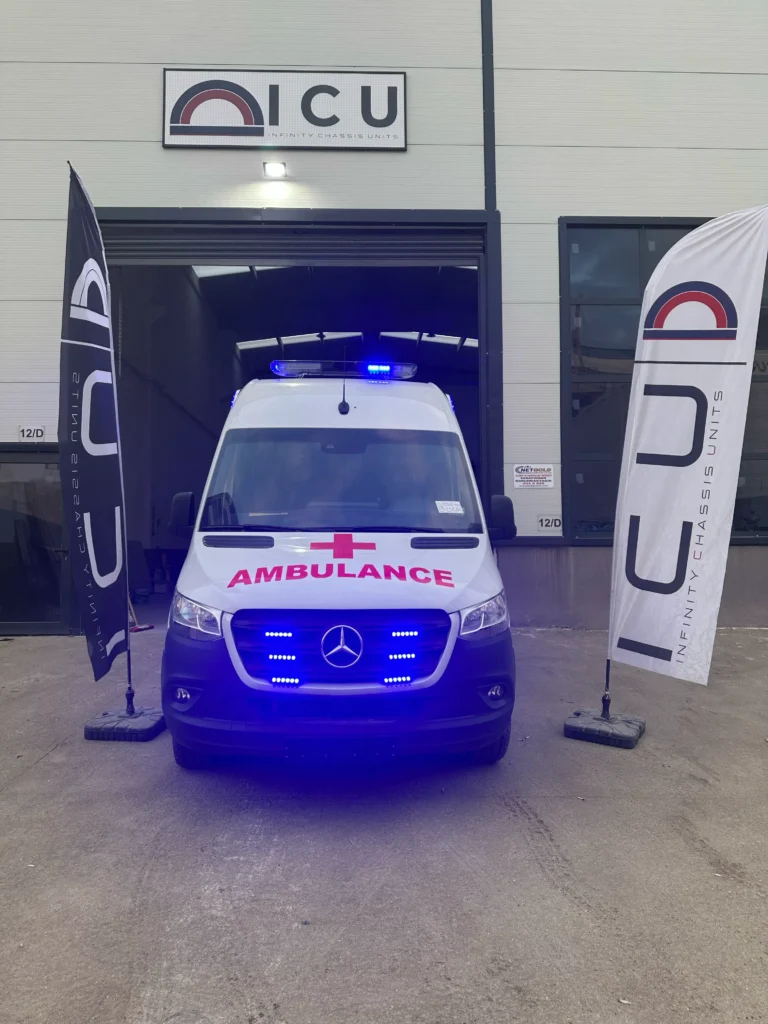
An ambulance is not an off-the-shelf vehicle. It’s a highly customized emergency response platform built to meet specific operational, medical, and regulatory requirements. Two services in the same city could order vehicles from the same manufacturer and end up with vastly different prices based on their protocols, terrain, and patient volume.

The most accurate price comes from working with a manufacturer to develop detailed specifications for a Request for Quotation (RFQ). This process translates your operational needs into a build sheet that determines the final cost.


Breaking Down the Cost: Where Does the Money Go?

The total price of a new ambulance is the sum of three major categories: the base vehicle, the patient module conversion, and the medical equipment package.

1. The Chassis: Your Foundation and Biggest Variable

The chassis is the single largest cost driver. Your choice here dictates capability, space, and long-term operating costs.

Chassis TypeTypical ModelsKey Cost & Value Considerations
Type I (Truck Chassis)Ford F-Series, Chevrolet 4500+, Mercedes AtegoHigher initial cost. Built for maximum durability, payload, and interior space. Ideal for severe duty, long-distance transfers, or carrying heavy specialized equipment. Offers the most room for custom module design.
Type III (Cutaway Van)Ford E-Series, Chevrolet G-Series, RAM ProMasterModerate cost, high value for urban use. Offers a good balance of interior space and maneuverability with a direct walk-through from cab to patient area. Generally has a lower cost of ownership than Type I, including lower upfront price and maintenance.
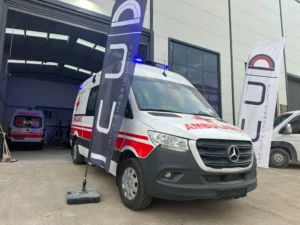
Heavy-Duty VanMercedes Sprinter, Ford Transit, RAM ProMasterCost varies widely by spec. Popular for balance of drivability and space. High-roof models create excellent standing room. 4×4 options add significant cost but enable all-weather, mild off-road service.
Specialty/Off-RoadToyota Land Cruiser, Ford F-550 (4×4)Premium cost. Designed for remote or rugged terrain. Built with reinforced suspensions, all-terrain tires, and often higher ground clearance. Armored versions for military or high-risk areas carry a substantial premium.

2. The Patient Module: The “Smart” Infrastructure

This is where a commercial vehicle becomes an ambulance. Costs here are driven by complexity, materials, and systems integration.

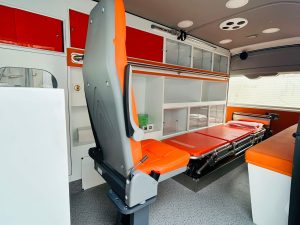
  • Construction & Safety: Modern modules use advanced composites and aluminum for strength and weight savings. Safety features like crumple zones and occupant protection systems are engineered in, not added on.
  • Electrical Systems: A dual-battery, high-output alternator system is standard. Costs rise with added inverters for AC power, extensive interior/exterior LED lighting, and sophisticated control consoles.
  • Climate Control: A separate, heavy-duty rear heating, ventilation, and air conditioning (HVAC) system is mandatory to maintain a controlled patient environment, regardless of outside conditions.
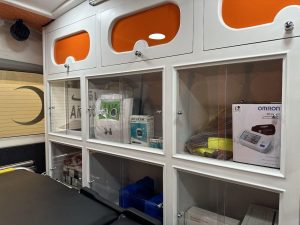
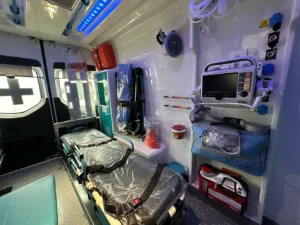
  • Ergonomics & Storage: Custom cabinetry, equipment mounting, and workflow design ensure everything has a place and is accessible during transport. Well-designed ergonomics improve care and safety.

3. Medical Equipment: The Life-Saving Tools

Equipment can be a major line item, often quoted separately. A Basic Life Support (BLS) loadout costs significantly less than an Advanced Life Support (ALS) or Critical Care configuration.

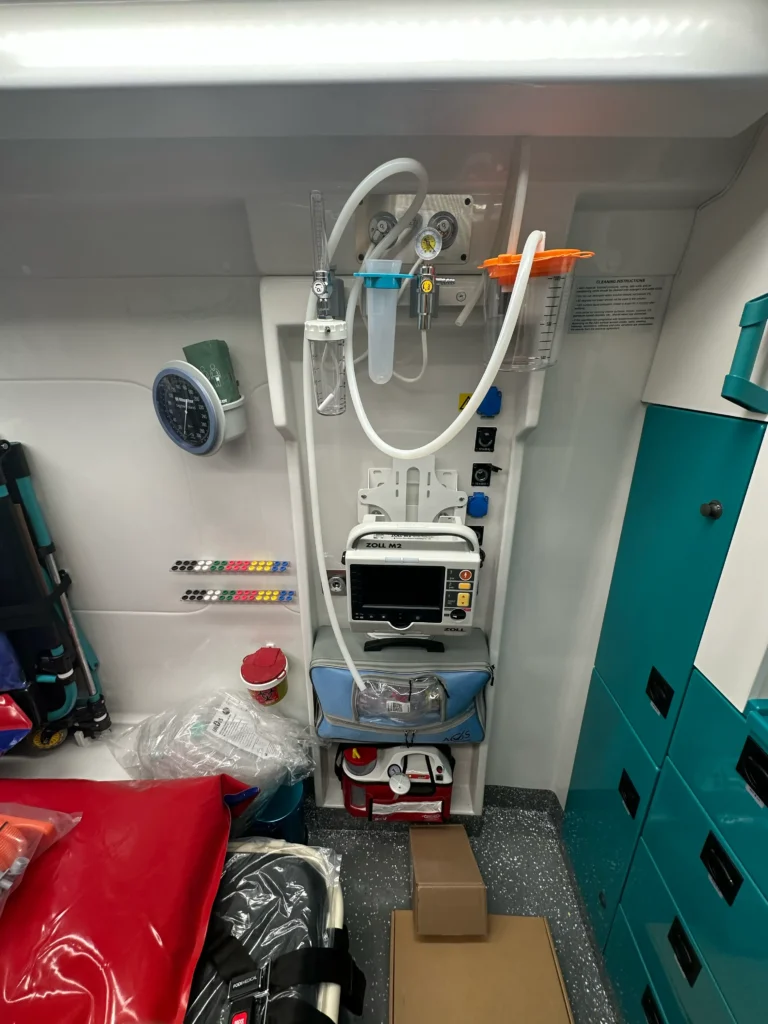
  • BLS Package: Includes essential items like a portable suction unit, oxygen delivery systems, automated external defibrillator (AED), basic immobilization devices, and a comprehensive first aid kit.
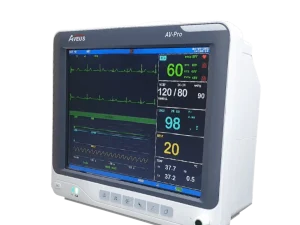
  • ALS/Critical Care Upgrade: Adds expensive, sophisticated devices: cardiac monitor/defibrillator, ventilator, IV pumps, blood glucose analyzer, and advanced airway management tools.

New vs. Used: A Cost-Benefit Analysis

Your budget will ultimately dictate whether you pursue a new or used ambulance. Each path has distinct advantages.

  • New Ambulance
    • Pros: Full warranty, latest safety features, customized to your exact specifications, predictable maintenance history from day one, and typically better fuel efficiency.
    • Cons: Highest upfront capital expenditure. Longest lead time for manufacturing and delivery (often 6-12 months).
  • Used/Refurbished Ambulance
    • Pros: Significantly lower initial purchase price. Immediate availability. Good option for backup units, new services, or budget-limited organizations.
    • Cons: Unknown or heavy service history. May require immediate repairs or upgrades. Outdated technology and safety standards. Higher long-term maintenance costs and potential downtime.

Important: When buying used, a professional, third-party inspection by a qualified ambulance technician is non-negotiable. Factor the cost of potential repairs into your total budget.


The Electric Question: Future-Proofing Your Fleet

Electric ambulances represent a new frontier with a different cost model.

  • Higher Acquisition Cost: The technology premium is real, with purchase prices currently above diesel equivalents.
  • Lower Lifetime Operating Cost: Significant savings on “fuel” (electricity vs. diesel) and maintenance (fewer moving parts, no oil changes).
  • Operational Benefits: Instant torque, silent operation for reduced patient stress and community noise, and zero tailpipe emissions.
  • Infrastructure Investment: Requires a substantial investment in ultra-fast charging stations at your base to ensure rapid turnaround. Mission profiles must be carefully analyzed to ensure range meets daily mileage needs.

Many services, like the UK’s NHS, are phasing in EVs starting with non-emergency transport vehicles where routes and charging are more predictable, gaining experience before transitioning frontline emergency units.


Making Your Decision: A Practical Framework

Before you contact a manufacturer, work through this checklist. Your answers will form the basis of your specifications and ultimately control your budget.

  1. Define Your Primary Mission: Is this for 911 emergency response, inter-facility transfers, critical care, or event stand-by? The mission dictates the required chassis, module size, and equipment.
  2. Analyze Your Service Area: Are your streets dense and urban (favoring a smaller, more maneuverable Type III)? Or rural with rough terrain (requiring a robust Type I or 4×4)? Your geography is a key chassis selector.
  3. Calculate Your True Payload: List every item that will be carried: crew weight, patient/cot weight, all medical equipment, and supplies. This number determines the minimum Gross Vehicle Weight Rating (GVWR) you need. Exceeding it is unsafe and illegal.
  4. Project Your Total Cost of Ownership (TCO): Look beyond the purchase price. Estimate 5-10 years of fuel, maintenance, insurance, and potential downtime. A more expensive but reliable vehicle may have a lower TCO than a cheaper, problem-prone one.
  5. Engage Reputable Manufacturers: Present your completed needs analysis to several manufacturers. A good partner will ask detailed questions about your operations to guide you toward the most effective and efficient solution for your budget, rather than just selling a standard model.

By investing time upfront to understand these cost drivers, you can make an informed, strategic purchase that delivers the best value and performance for your community for years to come.

I hope this detailed guide provides a solid foundation for your content on ambulance costs. If you’d like me to delve into creating similar guides for other clusters, such as Küme 4 (Specialized Medical Vehicles) or Küme 5 (Related Security Vehicles), I would be happy to assist.

Infinity Chassis Units