
What Determines the Price of a CIT Vehicle?

5
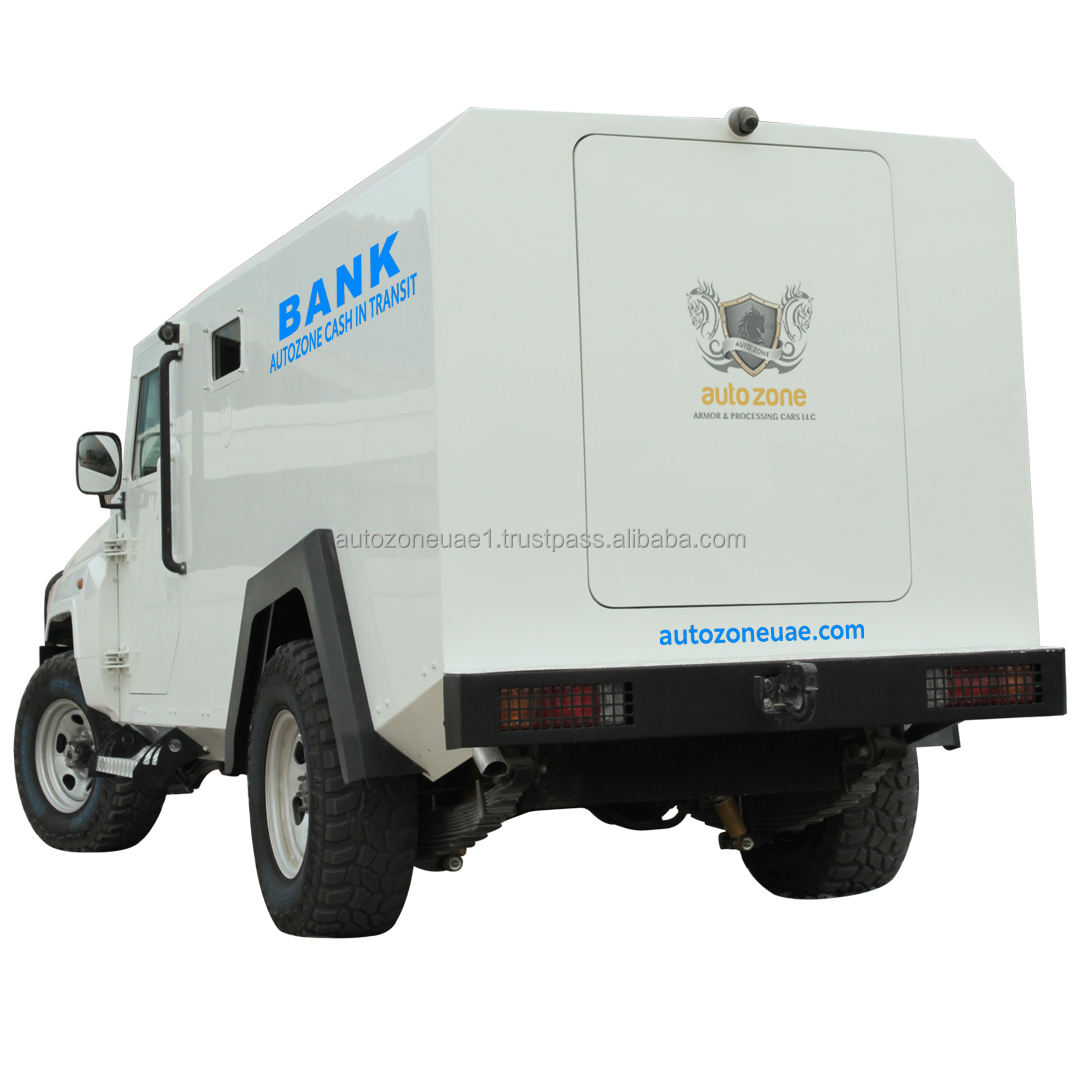
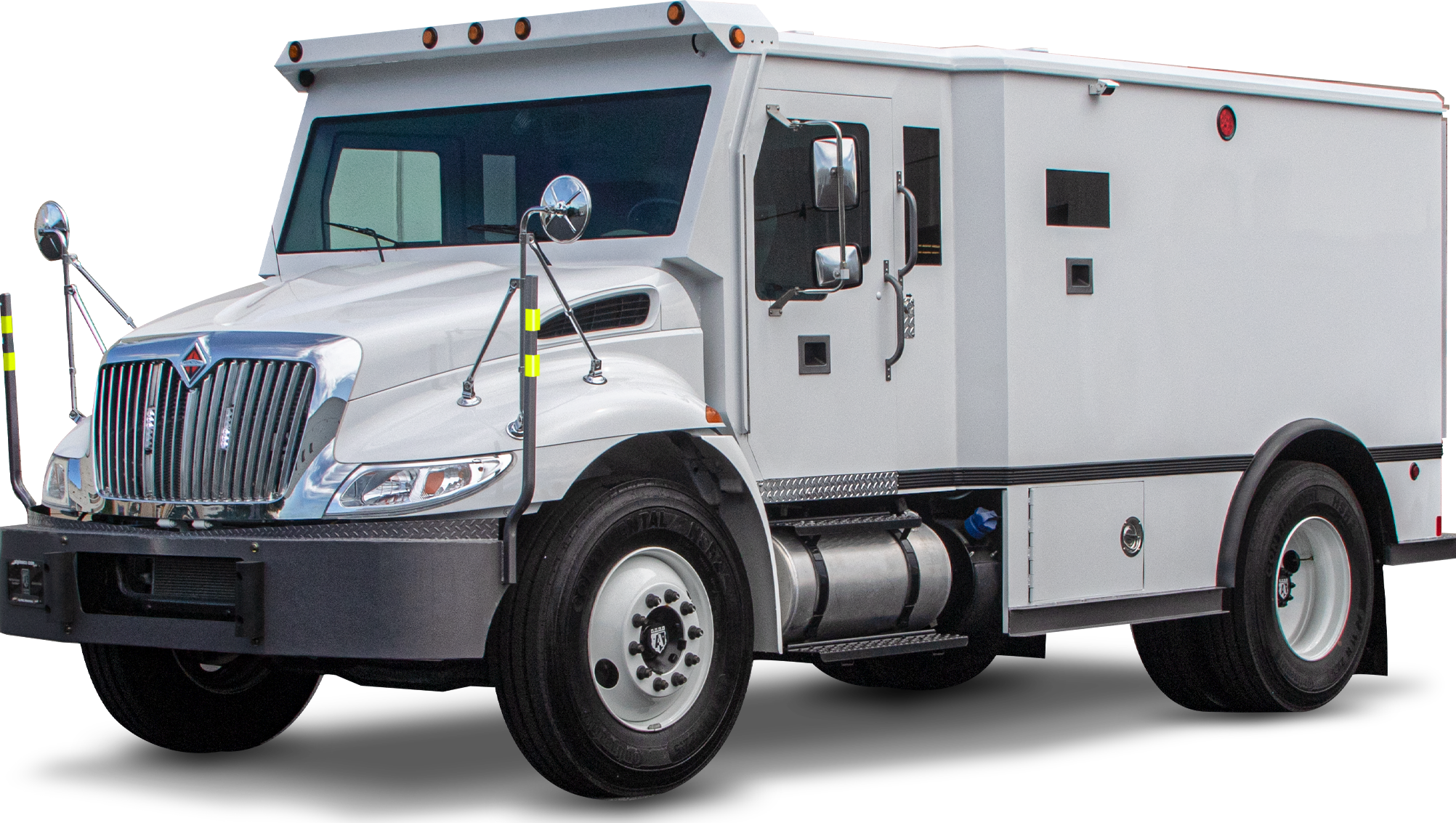
The cost of a Cash in Transit (CIT) vehicle is not a fixed figure. Pricing varies significantly depending on technical configuration, security level, regulatory requirements, and destination country. Unlike standard commercial vehicles, armored cash transport platforms are engineered-to-order security assets, where every specification directly affects the final price.
At Infinity Chassis Units, CIT vehicle pricing is structured around operational risk, compliance scope, and lifecycle cost efficiency, rather than a one-size-fits-all approach.
What Determines the Price of a Cash in Transit Vehicle?
1. Base Chassis Brand & Availability
The underlying vehicle platform is a major cost driver.
Key factors include:
- Brand (Mercedes-Benz, MAN, Iveco, Toyota, Ford, etc.)
- Vehicle size and payload rating
- Regional availability and lead times
- Emissions and homologation requirements
Supply constraints or region-specific models can significantly influence pricing.
2. Ballistic Protection Level (B4 / B6 / B7)
Ballistic protection is one of the most influential cost components.
- B4: Basic handgun protection (lower cost, limited threat coverage)
- B6: Standard for most banking and urban CIT operations
- B7: Maximum protection against armor-piercing rifle threats
Higher ballistic levels require thicker armor steel, heavier glass, reinforced structures, and extensive engineering—directly increasing cost.
3. Armor Materials & Ballistic Glass
The type and thickness of armor materials affect both price and vehicle performance.
Cost-impacting elements:
- Multi-layer ballistic steel
- Certified ballistic glass thickness
- Floor and roof protection
- Structural reinforcement
Advanced lightweight armor solutions can reduce weight but increase material cost.
4. Cash Handling & Locking Systems
Security systems inside the vehicle play a crucial role in pricing.
Typical systems include:
- Armored cash vault modules
- Time-delay and dual-control locking
- Drop safes and cassette systems
- Multi-zone vault segmentation
Higher automation and redundancy increase both security and investment value.
5. Certification & Homologation
Export-ready CIT vehicles must comply with international and local regulations.
Certification-related cost factors:
- Ballistic certification (VPAM / EN 1063 / NIJ)
- OEM documentation and CoC
- Factory Acceptance Tests (FAT)
- Country-specific homologation
These processes add cost but are essential for legal operation and tender eligibility.
Indicative Price Ranges
(EXW – Reference Only)
⚠️ Prices below are non-binding reference ranges and may vary based on configuration, chassis availability, and destination.
- B6 Armored Van:
USD 90,000 – 160,000 - BR7 Armored Cash Transport Truck:
USD 250,000 – 500,000+ - Toyota Land Cruiser CIT (B6):
USD 180,000 – 300,000
Final pricing is always project-specific and subject to technical scope, certification level, and delivery terms (EXW, FOB, CIF, etc.).
Cost vs. Lifecycle Value
When evaluating CIT vehicle pricing, decision-makers should consider:
- Operational lifespan
- Maintenance and spare parts availability
- Fuel consumption
- Resale value
- Risk reduction and loss prevention
A higher upfront investment often results in lower total cost of ownership (TCO) and enhanced security over time.
Internal Link Silo (Recommended Structure)
- Hub: Cash in Transit Vehicle Manufacturer
↳ Armored Cash in Transit Van – B6
↳ BR7 Armored Cash Transport Truck
↳ Toyota Land Cruiser Cash in Transit Vehicle
↳ Bank Armored Vehicle Dimensions & Layouts
↳ Cash in Transit Vehicle Cost & Pricing Guide
This structure strengthens topical authority, SEO relevance, and conversion flow.
Frequently Asked Questions – Cash in Transit Vehicle Cost
Why do CIT vehicle prices vary so widely?
Because pricing depends on ballistic level, chassis choice, security systems, certification scope, and destination country regulations.
Is a B6 vehicle sufficient for most banking operations?
Yes. B6 is the most commonly used level for urban and intercity banking routes. B7 is reserved for extreme-threat environments.
Does heavier armor always mean better value?
Not always. Excessive armor can increase fuel consumption and maintenance costs. Threat-appropriate protection offers the best value.
Are prices affected by export destination?
Yes. Taxes, homologation, logistics, and local regulations can significantly influence final delivered cost.
Can pricing be optimized without reducing security?
Yes. Through smart layout design, material selection, and threat-based engineering, costs can be optimized while maintaining required protection.
Are indicative prices suitable for tenders?
Indicative prices are useful for budget planning, but formal tenders require a detailed technical configuration and official quotation.
Final Note
The Cash in Transit Vehicle Cost & Pricing Guide is not about finding the cheapest option—it’s about investing in the right level of protection, compliance, and operational reliability for your cash logistics mission.