
Some situations are too dangerous for ordinary vehicles. When bullets fly, when bombs threaten, when chaos rules the streets, you need something stronger. You need an armored vehicle.
These specially built machines have been around for a long time, mostly serving military forces. But these days, more and more civilian organizations are using them too. Police departments, security companies, and even medical services now rely on armored vehicles to keep people safe.
What Is an Armored Vehicle?
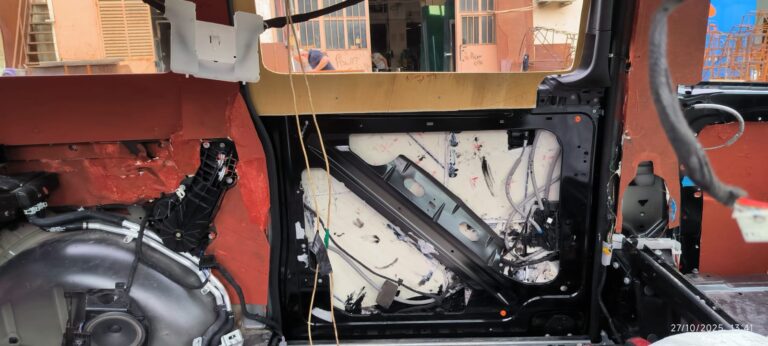
An armored vehicle is simply a vehicle that has been fitted with protective materials to shield the people inside from outside threats. The most common protection is steel plating attached to the body. But modern armor can include ceramic materials, special glass that stops bullets, and designs that deflect blasts away from the occupants.
Armored vehicles come in many shapes and sizes. Some are built for war, with weapons and military equipment. Others are built for protection only, with no extra gear. The main goal is always the same: keep the people inside alive.
Two Main Types of Armored Vehicles
Military Armored Vehicles
These are what most people think of when they hear “armored vehicle.” They’re built for battlefields and combat zones. They might have weapons mounted on them. They’re designed to move through enemy fire and keep soldiers safe. Military armored vehicles include things like armored personnel carriers, tanks, and attack vehicles.
Civilian Armored Vehicles
These are built for protection without the military extras. They look like normal cars, trucks, or vans from the outside. The armor is hidden so the vehicle doesn’t draw attention. Civilian armored vehicles are used by government officials, security teams, companies moving valuables, and increasingly by medical services.
The Armored Ambulance
One of the most important types of civilian armored vehicle is the armored ambulance. Think about it: when violence breaks out, people get hurt. But sending a regular ambulance into a dangerous area is like sending them in with no protection. The medics could be shot. The patients could be hit again. The vehicle itself could be destroyed.
Armored ambulances solve this problem. They look like normal ambulances, so they don’t stand out. But inside, they have the same protection as military vehicles. Bullets won’t penetrate. Blasts won’t flip them over. They can drive right into dangerous situations, pick up the wounded, and bring them back out safely.
How Armored Ambulances Are Used
In Conflict Zones
When wars happen, civilians get hurt. Armies also have wounded soldiers. Armored ambulances can reach these people even while fighting continues around them. They provide a mobile safe space where medics can work without fear.
During Civil Unrest
Riots and protests can turn violent quickly. Police and emergency services need to be able to reach injured people even when crowds are dangerous. Armored ambulances let them do that.
For High-Risk Transports
Sometimes a patient themselves is the target. Maybe they’re a witness in a criminal case, or a government official, or someone who needs protection. An armored ambulance keeps them safe during transport to the hospital.
In Terrorist Situations
After an attack, the area might still be dangerous. There could be secondary devices. There could be shooters still active. Armored ambulances can start rescue operations before the area is fully secure, saving precious minutes that can mean the difference between life and death.
Features of Armored Ambulances
Building a good armored ambulance takes careful work. Here are some of the key features:
Hidden or Visible Armor. Some armored ambulances look completely normal from the outside. The armor is hidden behind regular body panels. Others have visible armor plating. Which one you choose depends on where and how you’ll use it.
Ballistic Protection Levels. Armor comes in different grades. Lower levels stop handgun bullets. Higher levels stop rifle fire. The right level depends on the threat.
Reinforced Suspension. Armor is heavy. A regular vehicle’s suspension can’t handle the extra weight. Armored ambulances get stronger springs, shocks, and other parts to carry the load safely.
Special Glass. The windows aren’t regular glass. They’re thick, multi-layer glass that can stop bullets while still letting the driver see out.
Run-Flat Tires. If the tires get shot out, the vehicle can still drive away on special run-flat systems. This prevents the ambulance from getting stuck in a dangerous area.
Full Medical Equipment. Despite all the armor, these are still real ambulances. They carry stretchers, oxygen, defibrillators, trauma supplies, and everything else needed to treat patients.
Why Armored Ambulances Are Becoming More Popular
Around the world, the need for armored ambulances is growing. You can see it in search data from countries like the United States, France, Saudi Arabia, Spain, and many others. Why?
Part of it is that the world feels more dangerous. Conflicts, terrorism, and violence affect more places than they used to. Governments and organizations want to be prepared.
Part of it is that armored vehicles have gotten better. They’re lighter, stronger, and more comfortable than older models. You can have real protection without driving a tank.
And part of it is simply that more people know they exist. As armored ambulances become more common, more organizations realize they need them.
What to Look For in an Armored Ambulance
If you’re considering buying an armored ambulance, here are some things to think about:
What threats will you face? Handguns, rifles, or something worse? Match the protection level to the real danger.
Who will use it? Military medics have different needs than civilian EMTs. Think about your team.
Where will it go? City streets need different features than rough terrain.
Can you get parts and service? Make sure you can maintain the vehicle wherever it operates.
Is the manufacturer certified? Good armored vehicles are built to international standards and tested properly. Don’t cut corners on safety.
The Bottom Line
Armored ambulances sit at the intersection of two important jobs: providing medical care and keeping people safe. They let medics do their work in places where ordinary ambulances cannot go. They give patients a chance even in the worst situations.
In a dangerous world, having the right tools matters. For emergency medical services operating in risky environments, an armored ambulance isn’t a luxury. It’s a necessity.