
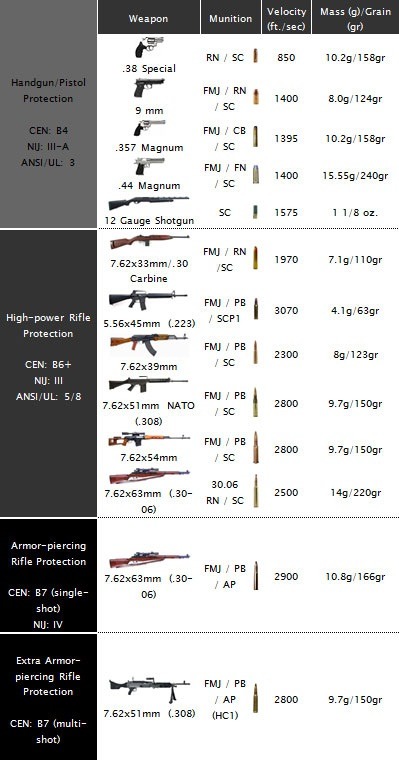
Ballistic Protection Levels Explained: When it comes to personal protection, understanding ballistic protection levels is essential for selecting the right body armor. Whether you are a law enforcement officer, military personnel, security professional, or a civilian seeking personal protection, knowing what each body armor level stops can mean the difference between life and death. In this comprehensive guide, we will explore the NIJ body armor levels, what they protect against, and how to choose the right ballistic protection for your specific needs.
1. Introduction to Ballistic Protection Levels
1.1. What Are Ballistic Protection Levels?
Ballistic protection levels are standardized classifications that define the capability of body armor to stop specific types of ammunition at specified velocities. These standards ensure consistency and reliability across different manufacturers and allow users to make informed decisions about their personal protection equipment.
In the United States, the National Institute of Justice (NIJ) establishes and maintains the standards for body armor levels. The NIJ’s ballistic resistance standards are recognized worldwide and serve as the benchmark for ballistic armor ratings.
1.2. Why Ballistic Levels Matter
Understanding body armor levels explained is crucial because:
- Different threats require different protection: A ballistic vest designed to stop a 9mm round may not stop a rifle round
- Balance between protection and mobility: Higher ballistic protection levels typically mean heavier, bulkier armor
- Legal and professional requirements: Many agencies mandate specific body armor ratings for their personnel
- Cost considerations: Higher armor plate levels generally cost more due to advanced materials and manufacturing
2. NIJ Body Armor Levels: Complete Breakdown
The NIJ has established five primary ballistic levels for body armor: Level IIA, Level II, Level IIIA, Level III, and Level IV. Each NIJ level corresponds to specific ballistic threats.
2.1. Level IIA Body Armor
Level IIA is designed to stop lower-velocity ammunition and is typically lighter and more flexible than higher levels.
| Specification | Details |
|---|---|
| Test Ammunition | 9mm FMJ RN (124 gr) at 373 m/s ± 9.1 m/s .40 S&W FMJ (180 gr) at 325 m/s ± 9.1 m/s |
| Typical Applications | Low-threat environments, concealable vests for plainclothes officers |
| Advantages | Lightweight, flexible, comfortable for extended wear |
| Limitations | Limited protection against higher-velocity rounds |
What does Level IIA body armor stop? It stops 9mm and .40 S&W ammunition at standard velocities. However, it is considered one of the lower ballistic protection levels and may not stop magnum rounds or rifle ammunition.
2.2. Level II Body Armor
Level II offers a step up in protection while maintaining reasonable flexibility and weight.
| Specification | Details |
|---|---|
| Test Ammunition | 9mm FMJ RN (124 gr) at 398 m/s ± 9.1 m/s .357 Magnum JSP (158 gr) at 408 m/s ± 9.1 m/s |
| Typical Applications | Patrol officers, security personnel |
| Advantages | Good balance of protection and comfort |
| Limitations | Still not effective against rifle rounds |
What does Level II body armor stop? It stops higher-velocity 9mm and .357 Magnum ammunition, offering improved protection over Level IIA.
2.3. Level IIIA Body Armor
Level IIIA is the highest level of soft body armor and a popular choice for law enforcement.
| Specification | Details |
|---|---|
| Test Ammunition | .357 SIG FMJ FN (125 gr) at 448 m/s ± 9.1 m/s .44 Magnum SJHP (240 gr) at 436 m/s ± 9.1 m/s |
| Typical Applications | Law enforcement tactical teams, high-threat security details |
| Advantages | Stops powerful handgun rounds, available in concealable options |
| Limitations | Cannot stop rifle rounds |
What does Level IIIA body armor stop? It stops .357 SIG and .44 Magnum ammunition, making it effective against virtually all handgun threats.
2.4. Level III Body Armor
Level III represents a significant jump in ballistic protection levels as it introduces hard armor plates capable of stopping rifle rounds.
| Specification | Details |
|---|---|
| Test Ammunition | 7.62mm NATO FMJ (147 gr) at 847 m/s ± 9.1 m/s |
| Typical Applications | Military operations, tactical law enforcement, high-risk civilian use |
| Advantages | Stops common rifle rounds, available in various plate materials |
| Limitations | Heavier and bulkier than soft armor |
What does Level III body armor stop? It stops 7.62mm NATO FMJ rounds (commonly fired by M14 and similar rifles). Level 3 body armor rating indicates protection against standard rifle threats.
2.5. Level IV Body Armor
Level IV provides the highest level of body armor protection currently available under NIJ standards.
| Specification | Details |
|---|---|
| Test Ammunition | .30-06 AP (166 gr) at 878 m/s ± 9.1 m/s |
| Typical Applications | Military combat operations, high-threat tactical missions |
| Advantages | Stops armor-piercing rifle rounds |
| Limitations | Heaviest and bulkiest option, most expensive |
What does Level IV body armor stop? It stops .30-06 armor-piercing rounds, offering the highest level of body armor protection against rifle threats.
3. Ballistic Protection Levels Comparison Chart
| NIJ Level | Threat Types Stopped | Typical Weight | Common Applications |
|---|---|---|---|
| Level IIA | Low-velocity 9mm, .40 S&W | Light (1-2 lbs per plate) | Low-threat concealment |
| Level II | 9mm, .357 Magnum | Light-Moderate | General patrol |
| Level IIIA | .357 SIG, .44 Magnum | Moderate | Tactical law enforcement |
| Level III | 7.62mm NATO rifle rounds | Heavy (4-8 lbs per plate) | Military, high-risk security |
| Level IV | .30-06 AP armor-piercing | Heaviest (5-10+ lbs per plate) | Combat operations |
4. Frequently Asked Questions About Body Armor Levels
4.1. What is the highest level of body armor?
The highest level of body armor under current NIJ standards is Level IV, which stops .30-06 armor-piercing rounds. Some manufacturers offer armor that exceeds NIJ standards, but Level IV is the official highest NIJ certification level.
4.2. What does Level 3 body armor stop?
Level 3 body armor stops 7.62mm NATO FMJ rifle rounds, commonly known as “.308 Winchester” or “7.62x51mm.” This includes threats from M14, M24, and similar rifles.
4.3. What does Level 3A body armor stop?
Level 3A body armor stops .357 SIG and .44 Magnum handgun rounds, including some submachine gun threats. It represents the pinnacle of soft body armor protection.
4.4. What level body armor do police wear?
Most police officers wear Level II or Level IIIA body armor depending on their department’s threat assessment and policies. Level IIIA is particularly popular as it stops virtually all handgun threats while remaining concealable.
4.5. What level body armor does the military use?
Military personnel typically use Level III and Level IV body armor plates, often in combination with soft armor backers for fragmentation protection. The specific armor plate levels vary by mission requirements.
4.6. What are the different levels of body armor?
The different levels of body armor recognized by the NIJ are:
- Level IIA (low-velocity handgun)
- Level II (standard handgun)
- Level IIIA (high-velocity handgun)
- Level III (rifle)
- Level IV (armor-piercing rifle)
4.7. How many levels of body armor are there?
There are five primary NIJ body armor levels: IIA, II, IIIA, III, and IV. Some manufacturers offer “Level III+” or special threat ratings, but these are not official NIJ classifications.
4.8. Is there Level 5 body armor?
Level 5 body armor is not an official NIJ classification. The current NIJ armor levels stop at Level IV. Any “Level V” armor is a manufacturer designation, not a recognized standard.
4.9. What is the difference between Level III and Level IV?
Level III vs Level IV comparison:
- Level III stops 7.62mm NATO FMJ (non-armor-piercing)
- Level IV stops .30-06 AP (armor-piercing)
- Level IV plates are typically heavier and thicker
- Level IV offers the highest level of body armor protection
5. Beyond NIJ Standards: Special Threat Ratings
5.1. Level III+ and Special Threat Armor
Many manufacturers offer armor with “special threat” ratings or “Level III+” designations. These ballistic armor ratings may stop specific threats not covered by standard NIJ testing, such as:
- M855 “green tip” 5.56mm
- M193 5.56mm
- 7.62x39mm (AK-47)
- Multiple hits
5.2. International Ballistic Standards
While the NIJ standards are widely recognized, other regions have their own ballistic protection levels:
| Standard | Region | Equivalent Levels |
|---|---|---|
| NIJ | United States | IIA, II, IIIA, III, IV |
| EN 1063 | Europe | BR1 through BR7 |
| UL 752 | International | Level 1 through Level 10 |
| GOST | Russia | Class 1 through Class 6a |
6. Choosing the Right Ballistic Protection Level
6.1. Factors to Consider
When selecting body armor levels of protection, consider:
- Threat Assessment: What specific threats are you likely to face?
- Comfort and Mobility: Can you wear the armor for extended periods?
- Concealability: Does the armor need to be hidden under clothing?
- Weight: Can you carry the armor without excessive fatigue?
- Budget: Higher ballistic protection levels generally cost more
6.2. Common Applications and Recommended Levels
| Application | Recommended Level | Rationale |
|---|---|---|
| Plainclothes Officer | Level II or IIIA | Concealable, stops common handgun threats |
| Patrol Officer | Level IIIA | Stops all handgun threats, optional rifle plates |
| Tactical Team | Level III or IV | Rifle protection needed |
| Civilian Home Defense | Level III | Stops common rifle threats |
| High-Profile Security | Level IIIA + Level III plates | Maximum flexibility |
| Military Combat | Level IV | Armor-piercing threat protection |
7. Ballistic Plate Levels Explained
7.1. Soft Armor vs. Hard Armor
Ballistic protection levels are achieved through two primary types of armor:
Soft Armor (Level IIA, II, IIIA):
- Made from woven fibers like Kevlar® or Twaron®
- Flexible and concealable
- Stops handgun rounds and fragmentation
- Cannot stop rifle rounds
Hard Armor (Level III, IV):
- Made from ceramic, polyethylene, or composite materials
- Rigid plates
- Stops high-velocity rifle rounds
- Often worn over or with soft armor
7.2. Armor Plate Levels and Materials
| Plate Level | Common Materials | Characteristics |
|---|---|---|
| Level III | Polyethylene, ceramic/composite | Lighter than Level IV, stops common rifle rounds |
| Level III+ | Polyethylene with ceramic strike face | Enhanced multi-hit capability, special threat protection |
| Level IV | Ceramic, silicon carbide | Heaviest, stops armor-piercing rounds |
8. NIJ Certification and Standards Evolution
8.1. NIJ Standard 0101.06 vs. 0101.07
The NIJ periodically updates its standards to reflect evolving threats and testing methodologies. The current standard is NIJ 0101.07, which introduced:
- More rigorous testing protocols
- Conditioning requirements (temperature, humidity, drop testing)
- Updated ballistic threat levels
8.2. Importance of NIJ Certification
When purchasing body armor, look for NIJ certification because it ensures:
- Independent testing by accredited laboratories
- Compliance with established ballistic standards
- Consistent performance across manufacturers
- Legal admissibility and liability protection
9. Conclusion: Making an Informed Choice
Understanding ballistic protection levels is essential for anyone relying on body armor for personal safety. The NIJ body armor levels provide a clear framework for evaluating protection capabilities against specific threats.
Key takeaways:
- Level IIA and II offer basic handgun protection with maximum comfort
- Level IIIA stops all common handgun rounds and is ideal for law enforcement
- Level III introduces rifle protection for tactical applications
- Level IV provides the highest level of body armor against armor-piercing threats
- Always verify NIJ certification before purchasing
- Consider the balance between protection, weight, and comfort
Whether you are a law enforcement officer, military personnel, security professional, or civilian seeking personal protection, understanding ballistic armor ratings empowers you to make the right choice for your specific needs.
10. Infinity Chassis Units: Ballistic Protection Solutions
At Infinity Chassis Units, we understand the critical importance of ballistic protection levels in vehicle and personal armor applications. Our engineering expertise extends to:
- Armored vehicle integration
- Ballistic panel manufacturing
- Custom protection solutions for government and military clients