
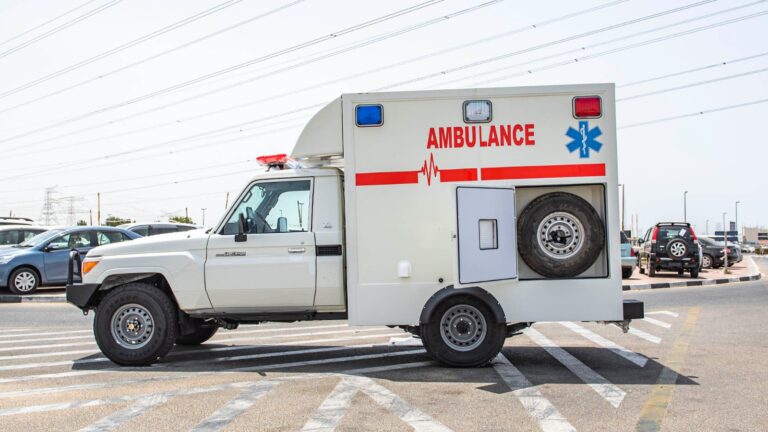
The cost of a new ambulance in 2026 ranges from $28,000 to over $180,000 depending on the vehicle type, medical equipment package, and intended use. For hospitals, emergency medical services, government agencies, and non-governmental organizations, understanding these price variations is essential for accurate budgeting and fair comparison of quotations.
Quick Answer: A fully equipped new ambulance costs between $28,000 and $180,000+ in 2026, with most standard emergency ambulances falling in the $55,000 to $95,000 range.
New Ambulance Prices by Category
Compact and Light Duty Ambulances: $28,000 to $45,000
These vehicles are built on standard van platforms or light pickup trucks. They feature basic life support (BLS) configurations and are ideal for:
- Urban patient transport services
- Hospital referral transfers
- NGO fleet operations
- Non-emergency medical transport
Compact ambulances offer lower fuel consumption and reduced maintenance costs while providing reliable service for basic medical transport needs.
Mid-Size and High Roof Ambulances: $55,000 to $95,000
The most common choice for emergency medical services worldwide, these ambulances are built on high-roof van platforms and provide:
- Standing height workspace for medical crews
- Basic Life Support or Advanced Life Support (ALS) configurations
- Robust electrical systems for medical devices
- Integrated oxygen delivery systems
- Ample storage for medical supplies
These vehicles represent the best value for most emergency response applications.
Heavy Duty and Box Type Ambulances: $120,000 to $180,000+
Designed for the most demanding emergency response scenarios, these ambulances feature:
- Large box-style patient compartments on truck chassis
- Maximum payload capacity for equipment and personnel
- Intensive care unit (ICU) capable interiors
- Advanced climate control systems
- Extended electrical and oxygen system capacity
- Superior crash protection and durability
These vehicles are essential for advanced life support operations, rural emergency response, and inter-facility critical care transport.
What Your Ambulance Purchase Includes
A new ambulance is a complete mobile medical unit. Standard turnkey pricing typically includes:
Medical Equipment Package
- Main stretcher with integrated loading system and locking mechanism
- Automated external defibrillator (AED) or manual defibrillator
- Transport ventilator suitable for adult and pediatric patients
- Medical suction unit with accessories
- Diagnostic equipment including blood pressure monitor, thermometer, and glucometer
- Basic trauma and first response supplies
Oxygen and Vacuum Systems
- Onboard oxygen system with two 10-liter cylinders (typical configuration)
- Oxygen regulators, flowmeters, and wall outlets
- Central vacuum system with collection canister
- Medical air connections where specified
Interior Medical Conversion
- Medical grade cabinetry with secured storage
- Antibacterial, waterproof flooring
- Attendant seating with safety restraints
- Patient compartment partition wall
- Interior wall and ceiling linings
- LED medical lighting system
Emergency Warning Systems
- Exterior LED lightbar with multiple flash patterns
- Electronic siren with public address capability
- LED scene lighting for nighttime operations
- Work lights for patient compartment
Electrical System
- Dual battery system with isolation
- Power inverter for medical equipment
- Multiple AC and DC power outlets
- Battery monitoring and charging systems
Key Factors Affecting Ambulance Costs
Vehicle Platform Selection
Van-based ambulances cost significantly less than box-type or truck-mounted platforms. The choice depends on your operational requirements for interior space, payload capacity, and maneuverability.
Medical Capability Level
- Basic Life Support (BLS): Lowest cost, suitable for stable patient transport
- Advanced Life Support (ALS): Higher cost due to additional equipment and power requirements
- Intensive Care (ICU): Highest cost for critical care transport capabilities
Drivetrain Requirements
Standard 4×2 configurations are suitable for urban and highway use. Four-wheel drive (4×4) ambulances cost substantially more but are essential for:
- Rural and remote area response
- Mountainous terrain operations
- Regions with poor road infrastructure
- Winter weather conditions
Regional Compliance and Standards
Different countries require specific certifications, equipment configurations, and documentation. Compliance with local ambulance standards, vehicle regulations, and medical device requirements can affect both build complexity and final cost.
Climate Control Requirements
Regions with extreme temperatures may require upgraded heating, ventilation, and air conditioning systems for both the driver compartment and patient area, increasing overall cost.
Value Considerations: Is Higher Price Always Better?
The most expensive ambulance is not automatically the best choice for your organization. Consider these factors:
Urban Transport Operations: Compact or mid-size ambulances typically offer the best value, providing adequate space and capability at a reasonable price point.
Rural and Long Distance Response: Diesel engines and four-wheel drive platforms may cost more initially but often reduce lifetime operating costs through better fuel economy, reliability, and reduced wear in challenging conditions.
High Acuity Emergency Services: Heavy-duty ambulances with ALS or ICU configurations justify their higher upfront investment through enhanced patient care capabilities and longer service life.
Budget Constrained Organizations: Entry-level BLS ambulances from reputable manufacturers can provide reliable service for basic transport needs at approximately one-third the cost of advanced units.
How to Compare Ambulance Prices Effectively
When evaluating quotations from different manufacturers or dealers, compare these specific elements:
Vehicle Specifications
- Exact make, model, and year of the base vehicle
- Engine type, horsepower, and transmission
- Gross vehicle weight rating (GVWR)
- Roof height and interior dimensions
- Drivetrain configuration (4×2 versus 4×4)
Medical Equipment Line Item Review
Request a detailed list of every medical device and supply included. Two ambulances with similar prices may have significantly different equipment packages. Verify brands, models, and quantities of:
- Stretcher systems
- Cardiac monitors and defibrillators
- Ventilators
- Suction units
- Diagnostic equipment
System Capacities
- Electrical system: alternator output, battery capacity, inverter power rating
- Oxygen system: cylinder capacity, outlet locations, flow capabilities
- Climate control: BTU ratings for heating and cooling
Compliance Documentation
Confirm that the ambulance meets your national or regional standards and that proper documentation will be provided for registration and licensing.
Warranty and Support
- Vehicle chassis warranty duration and coverage
- Ambulance conversion warranty terms
- Medical equipment warranties
- Availability of parts and service support in your region
- Training and documentation provided
Additional Cost Considerations Beyond the Purchase Price
Shipping and Import Costs
Ex-works (EXW) pricing means the ambulance is available for pickup at the manufacturer’s facility. Additional costs typically include:
- International freight and insurance: $3,000 to $8,000 depending on destination
- Import duties and taxes: 5% to 30% depending on country
- Local transportation from port to your facility
- Registration and licensing fees
Total delivered costs are typically 10% to 25% higher than the ex-works price.
Operating Cost Factors
Consider these ongoing expenses when budgeting:
- Fuel consumption based on your annual mileage
- Maintenance intervals and parts availability
- Medical equipment calibration and certification
- Insurance premiums
- Crew training requirements
Expected Service Life
A properly specified and maintained ambulance typically provides 5 to 10 years of service, depending on:
- Annual mileage and operating conditions
- Build quality and materials
- Maintenance quality and frequency
- Medical technology advancement in your region
New Versus Used Ambulance Comparison
Advantages of New Ambulances
- Full manufacturer warranty coverage
- Latest safety features and crash protection
- Current medical technology integration
- Zero accumulated wear and maintenance needs
- Full service life ahead
- Compliance with current regulations
- Customization to your specific requirements
Considerations for Used Ambulances
Lower purchase price is the primary advantage, but consider:
- Unknown maintenance history and actual condition
- Shorter remaining service life
- Older medical equipment that may need replacement
- Potential compliance issues with current standards
- Higher ongoing maintenance costs
- Limited or no warranty coverage
For mission-critical emergency response, new ambulances typically provide better long-term value and lower operational risk.
Global Ambulance Price Ranges for 2026
Entry Level Basic Life Support
- Price Range: $28,000 to $45,000
- Typical Applications: Patient transport, NGO programs, low volume services
- Base Vehicles: Compact vans, SUV platforms, light pickup trucks
Standard Emergency Ambulances
- Price Range: $55,000 to $95,000
- Typical Applications: Municipal EMS, hospital emergency services, fire department response
- Base Vehicles: High-roof vans, medium duty trucks
Advanced Life Support Ambulances
- Price Range: $95,000 to $140,000
- Typical Applications: ALS response, 911 services, critical care transport
- Base Vehicles: Heavy duty vans, custom van conversions
Intensive Care Unit Ambulances
- Price Range: $120,000 to $180,000+
- Typical Applications: Neonatal transport, cardiac intensive care, specialty medical transport
- Base Vehicles: Box-type ambulances, custom truck chassis
Making Your Ambulance Purchase Decision
Step 1: Define Your Mission Requirements
Document your specific operational needs including:
- Types of calls and patient acuity levels
- Annual call volume and response area
- Crew size and transport times
- Local terrain and climate conditions
- Budget constraints and funding sources
Step 2: Develop Detailed Specifications
Create a comprehensive specification document covering:
- Minimum vehicle dimensions and capacity
- Required medical equipment and capabilities
- Electrical and oxygen system requirements
- Compliance standards that must be met
- Warranty and support expectations
Step 3: Request Competitive Quotations
Obtain quotes from multiple reputable ambulance manufacturers or dealers. Provide the same specifications to each to enable fair comparison.
Step 4: Evaluate Beyond Price
Compare quotations based on:
- Compliance with your specifications
- Quality of materials and construction
- Manufacturer reputation and experience
- Parts availability and after-sales support
- Delivery timeline and terms
Step 5: Verify References and Facilities
- Request references from similar organizations
- Visit manufacturing facilities if possible
- Inspect completed ambulances similar to your order
- Verify warranty and support capabilities
Frequently Asked Questions About Ambulance Costs
What is the average cost of a new ambulance in 2026?
The average cost of a new, fully equipped ambulance in 2026 falls between $60,000 and $90,000, representing the most common mid-size ALS configurations purchased by hospitals and emergency services worldwide.
Why do ambulance prices vary so significantly?
Ambulance prices vary due to differences in vehicle platforms (van versus truck), medical capability levels (BLS versus ALS versus ICU), interior configurations, equipment packages, and regional compliance requirements. A basic transport vehicle and an advanced cardiac life support unit are fundamentally different products.
What is included in a turnkey ambulance price?
A turnkey ambulance price includes the base vehicle, complete interior conversion, all medical equipment, oxygen and suction systems, electrical system, emergency warning devices, and documentation. The ambulance is ready for service upon delivery.
Does the price include shipping and delivery?
Most ambulance quotes are provided on an ex-works (EXW) basis, meaning the price covers the ambulance at the manufacturer’s facility. International shipping, insurance, import duties, and local transportation are typically additional costs.
How much should I budget for shipping and import?
Budget approximately 10% to 25% above the ex-works price for shipping, insurance, import duties, taxes, and local delivery. Actual costs vary significantly by destination country and vehicle size.
Are new ambulances customizable for my specific needs?
Yes, reputable ambulance manufacturers offer extensive customization options for medical equipment, interior layouts, electrical systems, and special mission requirements. Customization affects both final price and production timeline.
What is the difference between BLS, ALS, and ICU ambulance pricing?
BLS ambulances typically cost $28,000 to $45,000, ALS ambulances range from $55,000 to $95,000, and ICU-capable ambulances start at $120,000. The price differences reflect increasing equipment levels, system capacities, and vehicle size requirements.
How long does a new ambulance take to build and deliver?
Production timelines typically range from 60 to 180 days depending on the complexity of the build, customization requirements, and current manufacturer workload. Standard configurations generally have shorter lead times.
What warranty comes with a new ambulance?
New ambulances typically include the base vehicle manufacturer’s warranty plus a separate warranty on the ambulance conversion. Conversion warranties typically cover 1 to 3 years on workmanship and materials. Always verify warranty terms in writing.
How should I compare quotes from different ambulance builders?
Compare quotes based on complete vehicle specifications, detailed equipment lists, system capacities, compliance certifications, warranty terms, and after-sales support. Two similar-priced ambulances may have significant differences in capability and quality.
Summary: New Ambulance Costs for 2026
The cost of a new ambulance in 2026 reflects its function as a sophisticated medical facility on wheels. Entry-level BLS units start below $30,000 and serve basic transport needs effectively. Standard emergency ambulances range from $55,000 to $95,000 and represent the most common choice for EMS operations worldwide. Advanced ICU and heavy-duty ambulances exceed $150,000 and provide maximum capability for critical care transport and challenging environments.
Successful ambulance procurement requires clear specifications, transparent equipment listings, and mission-focused vehicle selection. By understanding what drives ambulance pricing and how to evaluate quotations effectively, organizations can make informed investments that serve their communities for years to come.