
Infinity Chassis Units
EN1789 Certified Ambulance Manufacturer – Ankara, Türkiye
EN 1789 Certificate: The Definitive Mark of Trust from European Ambulance Manufacturers
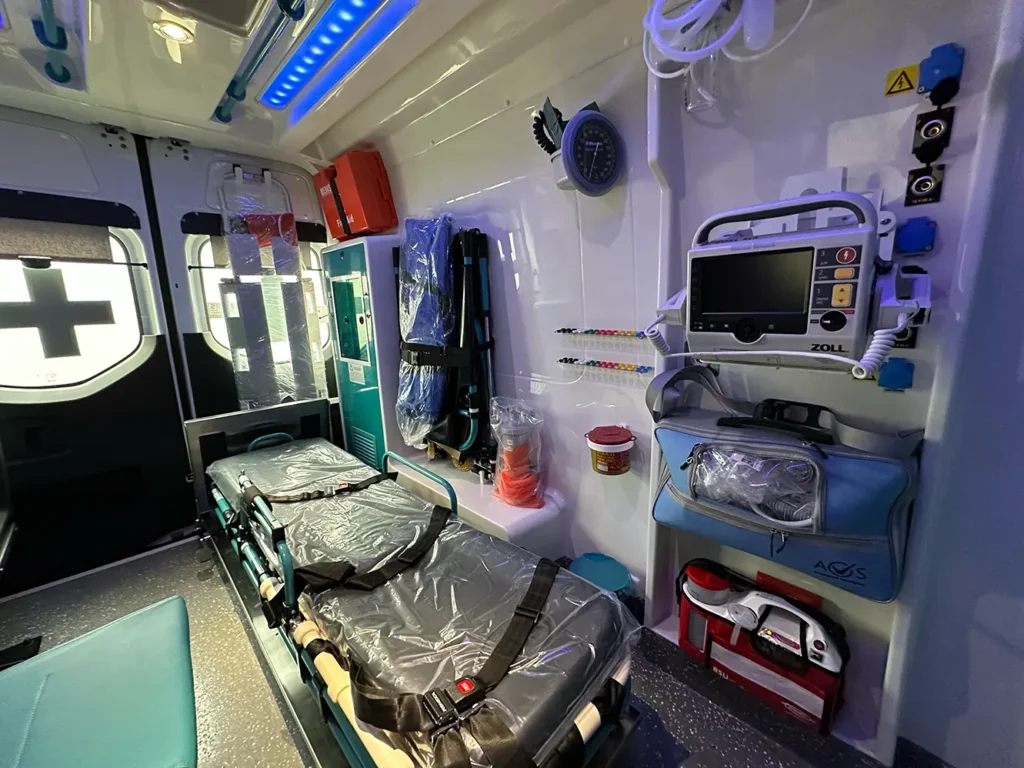
Introduction
When lives depend on rapid, safe, and effective medical intervention, the vehicle becomes a critical component of the care chain. Globally, procurement authorities and health institutions trust European ambulance manufacturers for one paramount reason: an unwavering, institutionalized commitment to safety, quality, and compliance. This trust is not born from tradition alone but is codified into a rigorous framework of European Norm (EN) standards. At the heart of this framework lies the EN 1789 certificate – the non-negotiable European benchmark for the construction and performance of medical vehicles. This article explains why specifying a European-standard ambulance is a decision rooted in proven safety protocols and legal compliance.
Who Are European Ambulance Manufacturers?
The term “European ambulance manufacturer” signifies more than a geographic location. It defines a production and certification culture governed by the world’s most stringent vehicle safety and medical device regulations. These manufacturers operate within the European Union’s legislative ecosystem, where directives and harmonized standards dictate every aspect of design, from structural integrity and crashworthiness to electrical safety and biomedical compatibility.
This culture ensures that every ambulance is not merely a converted van but a fully type-approved medical vehicle. The process involves comprehensive homologation, where independent, accredited notified bodies verify compliance against a suite of EN standards before the vehicle can be legally placed on the market and operational within the EU. This systemic approach is what distinguishes the European offering on the international stage.
EN 1789 Certificate: The Core European Requirement for Ambulances
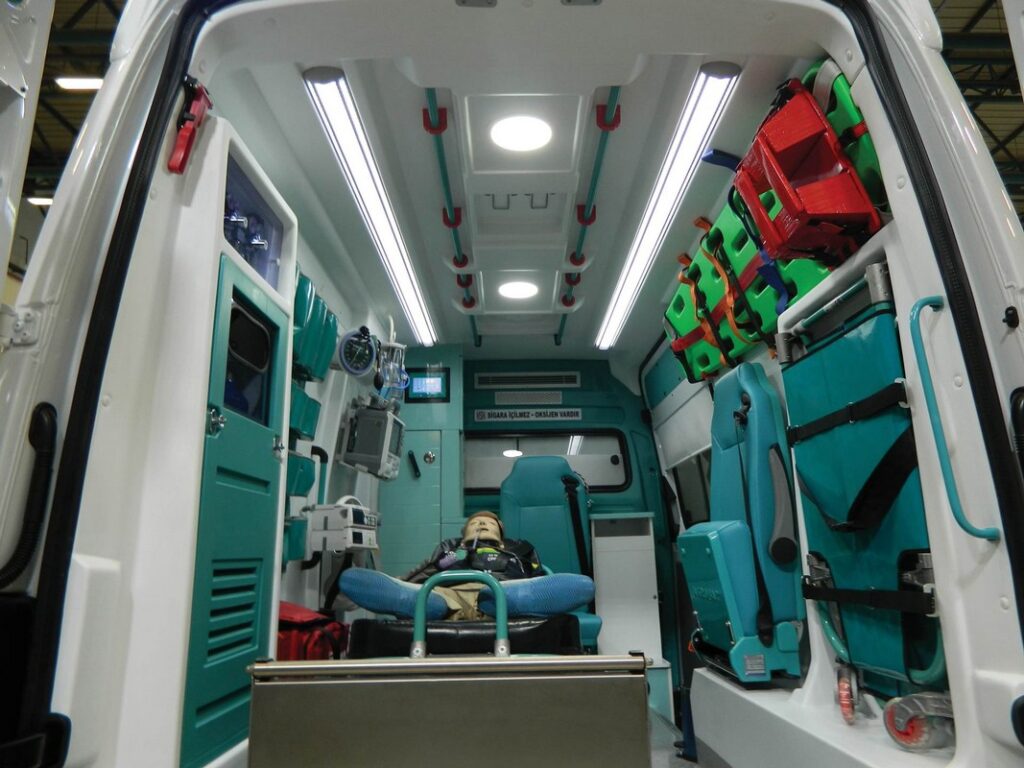
The EN 1789 certificate is the cornerstone of European ambulance compliance. Officially titled “Medical vehicles and their equipment – Road ambulances,” this standard specifies the essential requirements for constructing a safe, functional, and reliable emergency vehicle.
What Does the EN 1789 Certificate Cover?
Vehicle Categories
Type A (Patient Transport), Type B (Emergency Ambulance), Type C (Mobile ICU/CCU)
Structural Integrity
Bodywork requirements, corner stability, static load testing
Interior Dimensions
Sufficient workspace for crews and safe patient handling
Electrical Systems
Redundant, low-voltage systems with protective measures
Lighting & Warning
Standardized emergency signal patterns and interior illumination
Equipment Securement
Crash-tested mounting for stretchers and medical devices
Why is EN 1789 Mandatory for EU Tenders?
For any public tender within the European Union, the EN 1789 certificate is typically a mandatory minimum qualification criterion. It provides procurement officers with an objective, standardized benchmark to evaluate bids. Specifying EN 1789 compliance ensures a level playing field and guarantees that all vehicles meet the same high threshold of safety and functionality. It is the primary document proving that an ambulance is EU-compliant.
The Direct Link to Crash Testing
A critical component of EN 1789 is its reference to dynamic crash test requirements. The standard mandates that the patient compartment and its fittings must withstand defined deceleration forces. This is not a theoretical exercise; leading European manufacturers subject their vehicles to full-scale dynamic crash tests, proving that the interior remains a survivable space for both patient and crew in the event of an accident. The EN 1789 certificate is your assurance that this vital safety testing is integral to the vehicle’s design.
EN 1789 vs. EN 1865: Understanding the Critical Distinction
A common point of confusion lies between EN 1789 and EN 1865. It is crucial to understand that they are complementary, not interchangeable, standards.
EN 1789 vs EN 1865
EN 1789 applies to the complete vehicle – the ambulance as a whole system.
EN 1865 applies specifically to the patient stretcher and associated securing devices used within the vehicle.
EN 1865 tests the stretcher’s strength, stability, and the effectiveness of its locking and restraint systems. An ambulance compliant with EN 1789 will be equipped with a stretcher and anchoring system that is certified to EN 1865. Therefore, for complete patient safety, both standards are inherently required in a fully compliant European ambulance.
The Role of the CE Certificate in European Ambulances
The CE certificate (“Conformité Européenne”) is the manufacturer’s declaration that the product meets all applicable EU health, safety, and environmental requirements. For an ambulance, CE marking is complex because the vehicle is regulated under both the EU’s machinery and medical device frameworks.
- The Vehicle Chassis/Cab: Often CE-marked as machinery.
- The Medical Compartment & Equipment: Treated as a medical device, requiring a specific CE certificate based on a technical file reviewed by a Notified Body.
This dual-path certification is a legal requirement for selling ambulances within the European Economic Area. It provides the legal basis for market access and is a powerful indicator of full regulatory adherence.
ISO 9001 & The Culture of Quality Management
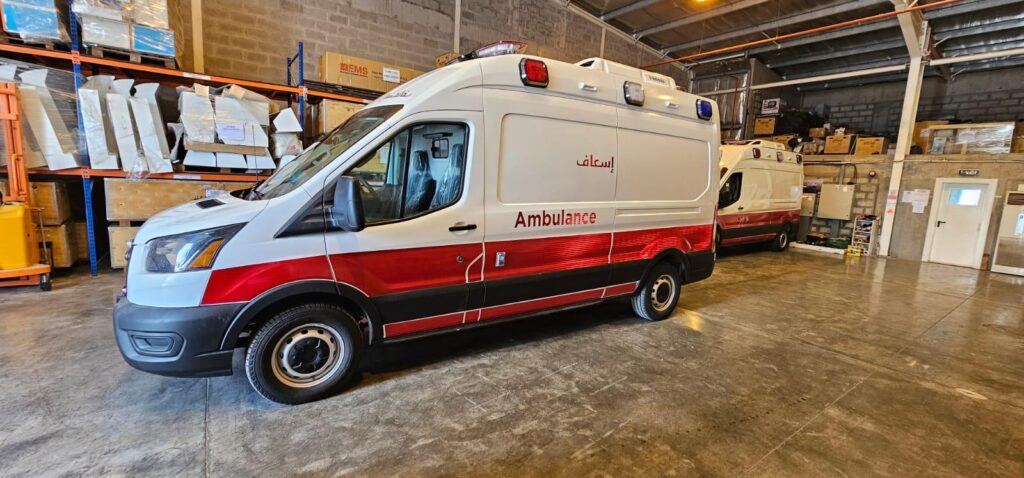
Beyond product-specific standards, virtually all reputable European ambulance manufacturers are certified to ISO 9001. This international standard for Quality Management Systems (QMS) signifies that the company has implemented a process-oriented approach to ensure consistency, continuous improvement, and customer satisfaction at every stage – from design and procurement to production, testing, and after-sales service.
For a buyer, ISO 9001 certification is a strong indicator of the manufacturer’s commitment to long-term reliability, traceability, and professional project management, which directly impacts vehicle lifespan and total cost of ownership.
European Ambulances in International Public Tenders
The reputation of EU-certified ambulances extends far beyond Europe’s borders. In public tenders across the Middle East, Africa, CIS countries, and Asia, specifications frequently reference EN 1789 or “EU-equivalent standards.” This is because:
- They Provide a Recognized Benchmark: EN standards offer a clear, internationally respected technical specification that reduces ambiguity for tender authorities.
- They Ensure Safety & Interoperability: Specifying a European-standard ambulance guarantees a known level of safety and often ensures compatibility with internationally used equipment.
- They Mitigate Risk: For government institutions, procuring vehicles with independent, third-party certification (like the EN 1789 certificate) minimizes technical and liability risks.
Crash Test Compliance & The European Safety Culture

The European approach to ambulance safety is proactive and evidence-based. Dynamic crash testing is a pillar of this philosophy. Leading manufacturers go beyond the minimum requirements, conducting full-scale sled tests or barrier tests to simulate frontal, rear, and lateral impacts. These tests validate:
- The integrity of the patient module.
- The retention of medical equipment and oxygen cylinders.
- The effectiveness of crew seatbelts and restraints.
This culture of proven safety, ingrained in the EN 1789 framework, protects the most valuable assets: the patient, the medical team, and the vehicle itself.
How to Identify a True European-Standard Ambulance: A Buyer’s Checklist
When evaluating a manufacturer or a bid, use this checklist to verify compliance:
Red Flags for Non-Compliant Products:
Frequently Asked Questions – EN 1789 Certificate
Conclusion
In the high-stakes domain of medical transportation, compromise is not an option. Choosing an ambulance from a certified European ambulance manufacturer is a decision grounded in an ecosystem of rigorous regulation, independent certification, and a deep-rooted safety culture. The EN 1789 certificate is the tangible symbol of this commitment, representing a vehicle that has been engineered, tested, and validated to protect lives in the most demanding conditions. For government institutions, tender authorities, and emergency services worldwide, it remains the unequivocal global gold standard.
Our Locations – Certified EN 1789 Manufacturing Facilities
Factory
Head Office
Dubai Branch
Need EN 1789 certified ambulances for your tender?
Infinity Chassis Units manufactures fully certified ambulances meeting all European standards. Request our certificate package and technical documentation.
Request Certificate Package WhatsApp Us
© 2026 Infinity Chassis Units – EN 1789 & ISO 9001:2015 Certified Ambulance Manufacturer
Factory-based production in Ankara, Türkiye | Direct exporter to global markets
www.infinitychassis.com | sales@infinitychassis.com | Tel: +90 555 104 06 48