
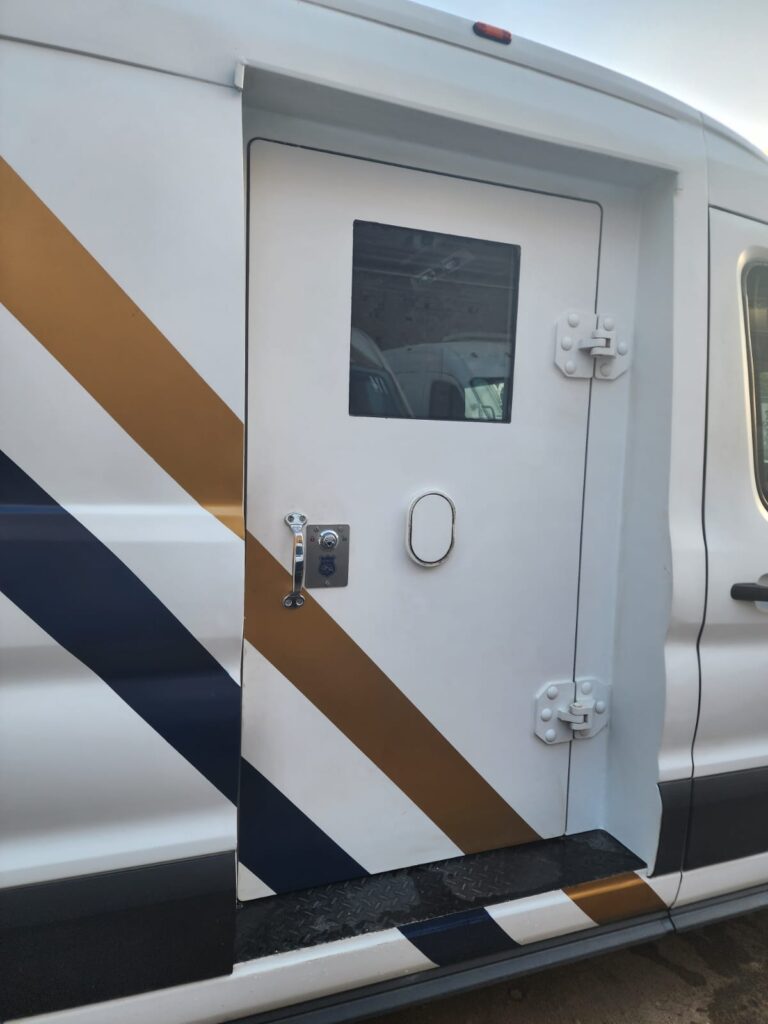
If you are searching for cash in transit vehicles, analyzing the cash in transit vehicles for sale market, or wondering how much do armored trucks cost, you are likely preparing for a serious procurement. Whether you are a security company expanding your fleet in South Africa, a bank upgrading logistics in the UK, or a private cash management firm in the USA, the mission is the same: acquiring a secure, reliable, and compliant armored vehicle at a realistic price.
The global market for CIT vehicles in 2026 is diverse. From a small cash in transit car for internal bank deposits to a heavy-duty cash in transit truck capable of moving millions, the specifications and costs vary dramatically.
Buyers comparing used cash in transit vehicles for sale, reviewing cash in transit vehicle manufacturers, or looking for a specific cash in transit van for sale need one thing first:
clear, realistic pricing and a fast, detailed quotation based on their specific threat assessment and operational needs.
Cash in Transit Vehicles Price List (2026 Overview)
A simplified planning overview for international procurement. Prices vary significantly based on armor level (B4 to B7), chassis type, and vault specifications.
- Entry-Level / Deposit Vans (Small CIT Cars): Often based on SUVs or small vans (like a Toyota Land Cruiser or Ford Transit Custom). These define the lower end of the cash in transit vehicles price range. Ideal for ATM replenishment or retail deposit collection in low-to-medium risk areas.
- Medium-Duty CIT Vehicles (Standard Cash Vans): Typically based on medium chassis like the Ford Transit or Mercedes-Benz Sprinter. These are the workhorses of the industry, used for scheduled cash collections. The cash in transit box and armor level significantly impact the price.
- Heavy-Duty Armored Trucks (Bullion Vans): Built on heavy truck chassis (like Iveco or MAN), these feature high ballistic protection (B6/B7) and explosion-proof configurations. The cash in transit truck price reflects the sheer weight of armor and advanced security systems like run-flat inserts.
- Specialized Units: This includes money transport vehicles designed for high-value goods, often with dual-control systems and advanced telematics.
Note: For an official quotation, specifications such as ballistic protection level (EN 1063/BRV 1999), vault type, GPS tracking requirements, and destination country are required.
Cash in Transit Vehicles for Sale – What Buyers Check First
Organizations searching for cash in transit vehicles for sale or used cash in transit vehicles for sale usually evaluate these critical factors before discussing price:
- Ballistic Protection Level (B4, B6, B7): Does the armor match the specific threat level of the operational region? High strength panels for cash in transit vehicles and bulletproof glass for cash in transit are non-negotiable for safety.
- Vault and Compartment Security: Are the cash vaults integrated securely? What about the locks for cash in transit? Are they multi-point locking systems with anti-tamper technology?
- Mobility and Run-Flat Systems: Can the vehicle move even after tire punctures? The presence of a run flat inserting machine for armored vehicles ensures the vehicle can escape ambush zones.
- Compliance and Certification: Does the vehicle meet local and international standards for cash in transit vehicles? Is it certified by relevant authorities?
- Export and Delivery Readiness: Is the vehicle ready for shipping to major ports (Durban, Houston, Felixstowe, etc.) with full documentation?
Price alone never defines the right cash in transit vehicle. A realistic armored cash in transit price must also guarantee crew safety, operational legality, and long-term durability.
Understanding the Global Demand for CIT Vehicles
Search data shows strong interest not only in cash in transit vehicles but also in:
- Regional specifics: Such as cash in transit vehicles for sale south africa or cash in transit vehicles south africa, indicating a mature market with high demand.
- Vehicle internals: Queries like inside a cash in transit van show curiosity about the layout and security features.
- Operational details: Questions like how much does a cash in transit van carry and cash in transit process flow indicate buyers are researching operations.
- Manufacturers and specifications: Terms like bank armored car dimensions and high performance armour for cash transport show a technical buyer persona.
This confirms one key fact: the CIT vehicle market is highly specialized, requiring expert knowledge for procurement.
What Determines the Final Cash in Transit Vehicle Price?
1. Base Chassis and Generation
A standard van chassis costs less, while a heavy-duty truck chassis increases the base price. The choice depends on payload and route requirements.
2. Armor Level (Ballistic Protection)
Upgrading from B4 (handgun protection) to B6/B7 (rifle protection) exponentially increases the cash in transit vehicle price due to thicker steel, composite materials, and advanced protection for CIT vehicles.
3. Security and Vault Systems
High-security vaults, advanced locking mechanisms, CCTV integration, and GPS tracking systems add significant value and cost.
4. Certification & Compliance
International standards (like EN 1063) and specific national regulations for armored cash transport influence both approval speed and total cost.
5. Logistics & Destination
Shipping, import duties, and local homologation shape the real landed armored cash in transit vehicles for sale price in each country.
Why Armored CIT Vehicles Remain a Global Standard
Fleet operators choosing a cash in transit car or comparing money transport vehicle platforms prioritize:
- Proven ballistic durability in high-risk environments.
- Worldwide spare-parts access for the base chassis (usually Ford, Toyota, Iveco, or Mercedes).
- Efficient operating cost despite the heavy armor.
- Strong resale value for well-maintained armored fleets.
These factors protect the investment behind every cash in transit vehicles price decision.
Request the Official Quotation for Your CIT Fleet
Whether you are evaluating a cash in transit vehicle, comparing a cash in transit trucks for sale listing, or looking for a specific used cash in transit vehicles for sale, the next step is always the same:
Request a formal quotation based on your country, required ballistic certification, and operational configuration.
Accurate pricing turns research into deployment.
Frequently Asked Questions (FAQ)
What is the average cash in transit vehicle price?
Entry-level armored deposit vehicles (based on SUVs or small vans) typically start around $35,000 to $50,000 USD. Medium-duty CIT vans range from $60,000 to $90,000 USD, while heavy-duty bullion trucks can exceed $120,000 to $200,000 USD depending on armor and specification.
Does the final price change by country?
Yes. Shipping, import duties, and local taxes significantly affect the total landed cost. For example, importing cash in transit vehicles for sale south africa will include different duties than importing to the UK or USA.
Can I choose between different ballistic protection levels (B4, B6, B7)?
Absolutely. Professional manufacturers can certify vehicles to various EN 1063 ballistic standards based on your threat assessment.
Are internationally certified CIT vehicles available?
Yes. Reputable manufacturers deliver vehicles compliant with international standards such as EN 1063 (ballistic) and BRV 1999 (blast resistance).
What is the difference between a cash in transit van and a cash in transit truck?
A cash in transit van is typically a medium-sized vehicle (like a Ford Transit) for urban collections, while a cash in transit truck is a larger, heavy-duty vehicle (like an Iveco Eurocargo) used for high-value bullion transport requiring maximum security and payload.
How long does production take?
Most standard builds are completed within 6 to 12 weeks, with additional time for shipping and customs clearance, depending on the complexity of the armor and vault installation.