
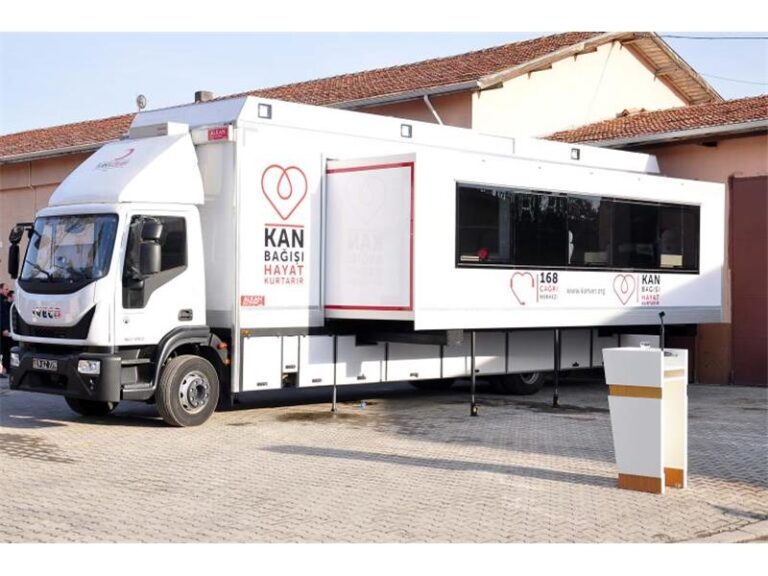
Mobile blood donation vans are the lifeblood of blood collection systems worldwide, bringing convenient donation opportunities directly to workplaces, campuses, and community centers. For 2026, these units are evolving into sophisticated, donor-friendly collection centers on wheels. This guide breaks down the essential equipment, operational capacities, and realistic cost expectations for modern mobile blood collection.
The 2026 Mobile Blood Donation Van: Core Specifications
Vehicle Platform & Layout
- Base Vehicle: Large high-roof van (e.g., Mercedes Sprinter LWB, Ford Transit), mini-bus, or customized truck body.
- Typical Length: 6 to 9 meters (20 to 30 feet).
- Layout: Organized into distinct, efficient zones:
- Donor Registration & Screening Area
- Health History/Interview Booth
- Donor Chairs/Beds (Collection Area)
- Post-Donation Refreshment Zone
- Staff/Storage/Utility Area
- Key Features: Wheelchair lift or low-entry ramp, ample exterior lighting for events, professional branding, and climate control for donor comfort.
Essential Equipment Breakdown for 2026
1. Donor Collection Station
- Reclining Donor Chairs/Beds: 2 to 6 stations, typically phlebotomy chairs with adjustable arms, backrests, and safety belts. High-end units use apheresis chairs for specialized collections.
- Phlebotomy Equipment: Adjustable armrests, vein illumination lights, and supply carts at each station.
- Collection Scale/Monitor: Digital scales to measure blood volume collected, integrated with the collection bag mixer.
2. Blood Storage & Handling
- Transport Refrigerators: Most critical component. Blood bank refrigerators (2°C to 6°C) with continuous temperature monitoring, alarms, and dual power sources (vehicle + generator).
- Temporary Holding Refrigerators: For holding units before transfer to main bank.
- Blood Transport Boxes/Shippers: Insulated containers with validated cold chain maintenance for transport to the central processing lab.
3. Screening & Donor Management
- Health Screening Station: Private booth with equipment for hemoglobin check (hemoglobinometer), blood pressure, pulse, and temperature.
- Donor Registration IT: Laptops/tablets with secure connection to the blood center’s database, donor management software, and electronic donor questionnaire systems.
4. Utility & Support Systems
- Electrical System: High-capacity dual alternators, deep-cycle auxiliary batteries, and a 5-10 kVA diesel generator to power refrigerators and equipment independently of the vehicle engine.
- Climate Control: Separate, powerful HVAC for donor area to maintain comfort regardless of outside temperature.
- Water System: Fresh water tank and sink for hand hygiene; often includes a small wet lab area for sample handling.
- Waste Management: Sharps containers, biohazard waste bags, and regular waste disposal.
5. Safety & Compliance Equipment
- Emergency Response Kit: Contains supplies for donor reactions (vasovagal syncope kit with ammonia inhalants, etc.).
- CPR/AED Station: Automated External Defibrillator and emergency oxygen.
- Fire Safety: Multiple fire extinguishers.
Operational Capacity: What to Expect in 2026
| Van Size | Donation Chairs | Daily Donor Capacity | Collection Focus |
|---|---|---|---|
| Standard Van | 2-3 chairs | 20-40 donors | Whole Blood drives at small businesses, churches |
| Large Bus/Mini-Bus | 4-6 chairs | 40-80+ donors | Large corporate/ university drives, potential for Apheresis |
| Double-Unit/Expandable | 6+ chairs | 80-120+ donors | High-volume community events, mass donation campaigns |
Key Factor: Throughput depends heavily on staffing levels (1-2 staff per chair recommended) and pre-registration efficiency. Modern IT systems enabling online appointment scheduling are crucial for maximizing daily yield.
2026 Cost Analysis: From Basic to Advanced
Mobile blood donation van prices vary dramatically based on size, equipment level, and customization. Below are realistic Ex-Works price ranges for units delivered in 2026.
Price Tiers & Specifications
| Tier | Vehicle Base | Key Features | 2026 Estimated Cost (Ex-Works) |
|---|---|---|---|
| 1. Basic Conversion | Used/Refurbished large van | 2 donor chairs, basic fridge, minimal screening booth | $80,000 – $120,000 USD |
| 2. Standard New Van | New high-roof van (e.g., Sprinter) | 3-4 chairs, compliant blood bank fridge, proper HVAC, generator | $150,000 – $250,000 USD |
| 3. High-Capacity Bus | New mini-bus or truck chassis | 5-6 chairs, multiple fridges, dual apheresis capability, advanced IT | $250,000 – $400,000 USD |
| 4. Premium Expandable | Custom coach with slide-outs | 6+ chairs, full laboratory area, dual zoning, telemedicine station | $400,000 – $600,000+ USD |
Major Cost Drivers:
- Blood Bank Refrigeration: A single validated transport refrigerator can cost $15,000 – $30,000+.
- Electrical System: The dual-power system (generator, inverters, isolators) is a significant portion of the conversion cost.
- Medical-Grade Interior: Seamless, cleanable surfaces, specialized cabinetry, and plumbing add cost over a standard van conversion.
- Compliance & Certification: Meeting FDA/CE standards for blood storage and vehicle safety requires specific engineering and documentation.
The 2026 Innovation Edge: Technology Transforming Collection
- Connected Donor Experience: Appointment apps with QR code check-in reduce wait times. Donor retention platforms send alerts when the van is nearby.
- Smart Refrigeration: IoT-enabled fridges provide real-time temperature and location data to the central blood bank, ensuring uncompromised cold chain integrity.
- Point-of-Care Donor Screening: Rapid infectious disease testing (in research phases) could potentially allow near-immediate screening, though current practice relies on central lab testing.
- Apheresis on the Move: More vans are being equipped for platelet or plasma apheresis, requiring more space, specialized chairs, and trained staff, but yielding higher-value products.
Procurement Checklist for 2026 Buyers
Before issuing a tender, define these specifications:
- Daily Collection Goal: How many units of whole blood/apheresis products?
- Operational Range: Urban only, or rural with long off-grid periods? This dictates generator and battery capacity.
- Staffing Model: How many nurses/technicians will work simultaneously? This determines chair count and layout.
- Cold Chain Requirements: Exact refrigerator specifications and required certifications (e.g., AABB, EU standards).
- IT Integration: Must interface with existing donor management software.
- Sustainability Goals: Consider options for solar panels to supplement generator use.
Conclusion: A Strategic Investment for 2026
Mobile Blood Donation Vans; A mobile blood donation van is not just a vehicle; it’s a strategic asset for donor recruitment and blood supply resilience. For 2026, the focus is on donor comfort, operational efficiency, and data integration.
Mobile Blood Donation Vans; While a basic unit starts around $150,000, a well-equipped, high-capacity van is a $250,000 – $400,000 investment. This cost is justified by its ability to collect hundreds of life-saving units per month, build donor loyalty, and respond flexibly to community needs and emergencies.
When budgeting, factor in not just the purchase price, but the total cost of ownership: fuel, maintenance, staff training, and regular re-certification of medical equipment. A properly specified van from a reputable manufacturer will deliver reliable service for a decade or more, making it a cornerstone of any modern blood collection service.