Description
Mobile Funeral Cleaning Vehicle; In the aftermath of mass fatality events, infectious disease outbreaks, or unattended deaths, the respectful, safe, and hygienic restoration of affected environments is a critical public health imperative. Infinity Chassis Units addresses this solemn and highly specialized need as an engineering-driven manufacturer of purpose-built Mobile Funeral Cleaning Vehicle and advanced sanitation systems. These are not general-purpose vehicles; they are mobile, self-contained bio-decontamination facilities engineered to perform the sensitive and technically demanding tasks of forensic cleanup, biological hazard mitigation, and scene restoration. Our vehicles provide municipal authorities, disaster response agencies, and humanitarian organizations with a rapid-deployment platform to conduct operations with the highest standards of occupational safety, environmental compliance, and procedural dignity. Each unit is a comprehensive solution, integrating cleaning, disinfection, waste containment, and personnel safety systems into a single, robustly engineered asset for the most challenging sanitation scenarios.
Vehicle & Platform Options: Configurable Foundations for Critical Response
We offer a range of engineered platforms designed to match operational scale, terrain requirements, and the specific protocols of biological decontamination and funeral sanitation workflows.
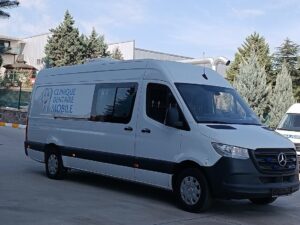
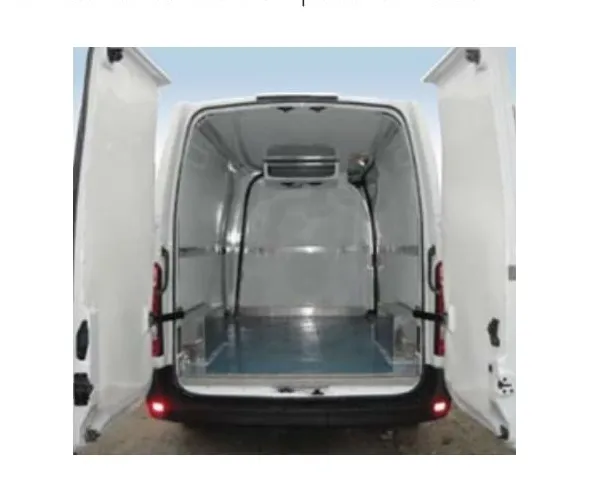
Van-Based Funeral Cleaning Vehicles: Engineered on durable, high-capacity chassis such as the Mercedes-Benz Sprinter, Ford Transit, MAN, and Iveco, these units provide a balance of mobility, accessibility, and contained operational space. A van-based mobile funeral sanitation vehicle is ideal for rapid response to individual or small-scale incidents in urban and suburban environments, offering a discreet and agile solution that can navigate residential areas and access confined spaces while carrying all necessary equipment and providing a secure base for operations.
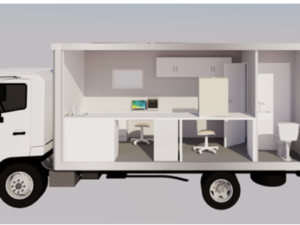
Truck-Based Sanitation & Decontamination Units: For large-scale operations, mass fatality incidents, or scenarios requiring extensive water and waste capacity, we engineer solutions on medium-duty and heavy-duty truck chassis. These bio-decontamination vehicle platforms offer significantly larger interior space for equipment storage, a dedicated clean/dirty workflow area, and the ability to carry substantial volumes of water and disinfectants. Their robust construction and all-terrain capability make them suitable for deployment in disaster zones or remote locations where infrastructure is compromised.
Containerized Funeral Cleaning Modules: For establishing a permanent or semi-permanent decontamination and logistics hub at a central location, morgue facility, or during a protracted crisis, our containerized solutions provide a durable, spacious, and secure environment. These modules can be configured as equipment staging areas, chemical storage units, or mobile command centers for sanitation operations, and can be easily transported and deployed as part of a larger emergency response infrastructure.
Interior Sanitation Layout & Segregated Workflow
The interior architecture of an Infinity Mobile Funeral Cleaning Vehicle is meticulously designed around the principle of strict unidirectional workflow and contamination control. The layout is segmented into distinct zones to prevent cross-contamination: a PPE storage & dressing area where personnel don personal protective equipment; a clean equipment staging zone; a central decontamination equipment control area; and a dedicated dirty zone for the temporary staging of collected waste and soiled tools prior to decontamination. This physical separation, often using sealed bulkheads or airlock-style passages, is critical for protecting the health of the operators and ensuring that cleaned equipment and personnel do not become re-exposed to biohazards. All surfaces within the working environment are constructed from seamless, medical-grade antimicrobial surfaces that are chemically resistant and can withstand repeated, aggressive cleaning with high-level disinfectants.
Decontamination & Cleaning Systems Integration
The core functional capability of the unit lies in its integrated cleaning and disinfection systems. We engineer and install professional-grade, high-capacity high-pressure wash systems that deliver hot or cold water at adjustable pressures for the physical removal of contaminants. This system is integrally connected to a chemical disinfectant dosing system, which automatically injects precise concentrations of EPA-registered or internationally approved hospital-grade disinfectants (e.g., hydrogen peroxide-based, chlorine-based) into the water stream. The combination of mechanical force and chemical action ensures thorough surface decontamination. All pumps, tanks, and dosing equipment are securely mounted and plumbed with industrial-grade components to ensure reliability during extended, demanding operations. The system is controlled from an interior panel, allowing operators to manage flow, pressure, and chemical mixture without leaving the safety of the vehicle.
Waste Collection, Containment & Disposal Systems
The safe and compliant management of biological waste and contaminated water is a paramount engineering challenge. Our vehicles are equipped with comprehensive waste collection & disposal system infrastructure. This includes separate, sealed, and clearly marked containment for solid biohazardous waste, constructed from durable, leak-proof materials. Crucially, the system features large-capacity wastewater collection tanks to capture all run-off water generated during the cleaning and rinsing process. This prevents environmental contamination and allows for the controlled, off-site disposal or on-board treatment of effluent at authorized facilities. The tanks are equipped with high-volume transfer pumps and standardized connections for offloading. This closed-loop system is fundamental to operating a responsible and environmentally sound corpse handling sanitation unit.
HVAC & Advanced Air Filtration Systems
Controlling the airborne transmission of pathogens and managing odors during decontamination operations is essential. Our units incorporate a specialized HVAC & air filtration system designed for this hostile environment. A key feature is the HEPA-filtered air extraction capability, which can create negative pressure within the vehicle’s interior or be deployed via flexible ducting to establish negative air pressure in a contaminated workspace (such as a room being cleaned). This actively captures airborne particulates and aerosols, filtering them before air is exhausted. The internal climate control system also manages temperature for operator comfort during PPE use and helps to control humidity levels, which can affect the efficacy of certain disinfectants and the growth of mold or other secondary contaminants.
Robust Electrical & Autonomous Power Systems
Operational independence in potentially infrastructure-less environments is non-negotiable. Each Mobile Funeral Cleaning Vehicle is engineered as a self-sufficient utility hub. The electrical system is built around a high-output generator & UPS configuration. The primary generator supplies ample power for high-demand equipment like hot water heaters, pressure washers, and extraction pumps. An Uninterruptible Power Supply protects critical control systems, lighting, and communication equipment from power interruptions. The vehicle’s fresh & waste water systems are supported by electric pumps and monitoring systems, all fed by this redundant power architecture. This ensures that the unit can operate effectively for extended periods at remote disaster sites, power outages, or locations without accessible utilities.
Compliance with Health, Safety & Environmental Standards
Infinity Chassis Units designs every vehicle to support compliance with a complex framework of occupational health, biological safety, and environmental protection regulations. Our engineering incorporates guidelines from OSHA (Occupational Safety and Health Administration), the CDC, WHO, and relevant environmental protection agencies regarding biological hazard containment, chemical handling, and wastewater management. We prioritize the integration of safety interlocks, emergency eyewash stations (where space permits), secondary containment for chemical tanks, and systems designed to minimize operator exposure. While final operational approval is subject to local regulations, we provide a comprehensive technical dossier detailing material certifications, system schematics, and safety protocols to serve as the foundation for compliance and operator training.
Applications & Emergency Use Cases
Our vehicles are deployed in a range of critical, sensitive scenarios by authoritative bodies worldwide. Municipalities and public health authorities utilize them for the dignified and safe cleanup of unattended deaths, hoarding situations, and illegal drug lab dismantlement. Disaster response agencies and emergency management units deploy them in the aftermath of earthquakes, floods, hurricanes, and industrial accidents for mass fatality scene management and infrastructure decontamination. Health ministries and humanitarian organizations activate them during infectious disease outbreaks (e.g., Ebola, cholera) to decontaminate homes and healthcare settings. Furthermore, they serve coroner and police services as a mobile support unit for forensic scene processing, providing a contained environment for preliminary work and equipment staging.
Global Delivery, Deployment & Operational Support
We manage the complete international supply chain for our global delivery & support. Our turnkey export & deployment support includes professional crating for ocean freight, comprehensive customs and logistics coordination, and detailed deployment manuals. We offer operational training programs, which can be conducted on-site or at our facilities, covering all technical systems, safety protocols, and recommended workflows. This end-to-end service ensures that your mobile disinfection vehicle is not only delivered but is also fully understood and capable of being deployed effectively by your teams in accordance with its engineered design intent.
Frequently Asked Questions (FAQ)
What specific cleaning and disinfection protocols do these vehicles support?
Our vehicles are engineered as flexible platforms to support a wide range of protocols. The integrated chemical dosing system can be calibrated for various EPA-registered disinfectants effective against bloodborne pathogens, viruses, bacteria, and fungi. The high-pressure hot/cold wash system is designed for both enzymatic cleaners for organic matter and disinfectant application. The vehicle supports multi-step processes including preliminary clean, application of disinfectant with appropriate contact time, and final rinse with water capture.
How is the wastewater contained and ultimately disposed of?
All effluent is captured in dedicated, large-capacity onboard wastewater tanks. These tanks are constructed from chemical-resistant materials and are fully sealed. Once operations are complete, the wastewater is transported to an approved facility for disposal, which may be a municipal wastewater treatment plant with pre-approval, a specialized medical waste treatment facility, or another legally sanctioned disposal site, in accordance with local environmental regulations.
What level of personnel training is recommended for operating this vehicle?
Operating a Mobile Funeral Cleaning Vehicle requires specialized training. We strongly recommend that all operators are trained in OSHA Bloodborne Pathogens standards, Hazardous Waste Operations and Emergency Response (HAZWOPER) protocols (or international equivalents), and the specific technical systems of the vehicle. We provide comprehensive system operation training as part of our delivery, but overall procedural and safety certification is the responsibility of the employing organization.
Can the vehicle operate in extreme temperatures or weather conditions?
Yes, the core systems are engineered for robustness. The freshwater and wastewater tanks are insulated to prevent freezing in cold climates, and the generator and hydraulic systems are rated for operation in a wide temperature range. The vehicle itself provides a sheltered environment for operators and equipment storage in inclement weather, which is a significant advantage over transporting loose equipment.
What are the decontamination procedures for the vehicle itself after a mission?
The vehicle is designed to be decontaminated. The interior features seamless, washable surfaces. An internal sprayer system or portable fogger can be used to apply disinfectant to all interior surfaces. The wastewater tanks and external equipment can be flushed and sanitized using the vehicle’s own systems. Detailed internal decontamination protocols are provided in the operational manual.
What is the typical lead time for a custom-built unit?
Lead times vary based on the chassis platform and specific configuration. A standard van-based unit typically requires four to five months from order to delivery. A more complex truck-based or containerized system with extensive custom plumbing and storage may require five to seven months. A detailed project timeline is provided following the technical specification phase.