Description
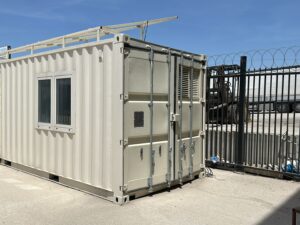
The Infinity Chassis Units (ICU) Mobile Maternity Clinic is a purpose-engineered, vehicle-based healthcare facility designed to deliver comprehensive obstetric and neonatal services directly to underserved, remote, and crisis-affected populations. This advanced mobile healthcare clinic transcends traditional outreach by providing a fully functional, sterile, and self-contained environment for prenatal care, safe delivery, and postnatal support. It represents a strategic investment for Ministries of Health, humanitarian NGOs, and hospital networks committed to reducing maternal and infant mortality by overcoming the final barriers of geography and infrastructure.
Why Mobile Maternity Clinics Matter
Global maternal health faces a persistent challenge: the disparity in access to skilled birth attendance and emergency obstetric care. Permanent health facilities are often concentrated in urban centers, leaving rural and peri-urban communities vulnerable. The mobile maternity clinic model directly addresses this inequity by mobilizing critical care.
-
Bridging the Last Mile: This prenatal care vehicle travels to communities, eliminating transportation barriers that prevent women from seeking timely care.
-
Disaster and Crisis Response: In the aftermath of natural disasters or conflict, where local health infrastructure is damaged or overwhelmed, a deployable mobile obstetric clinic provides immediate, life-saving capacity.
-
Strengthening Health Systems: It acts as a force multiplier for existing health systems, enabling outreach, surveillance, and referral coordination, effectively extending the reach of central hospitals.
Key Features and Capabilities
This unit integrates hospital-grade medical capabilities within a rugged mobile platform.
H3: Comprehensive Medical Equipment Suite
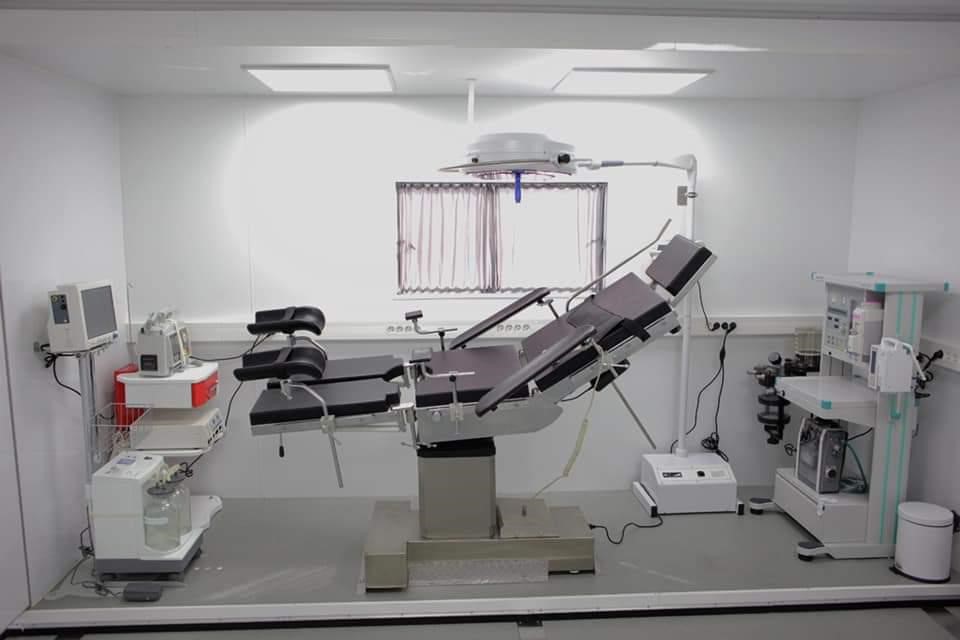
The clinic is outfitted as a complete maternity medical van. Standard equipment includes a height-adjustable birthing bed with lithotomy capability, a neonatal resuscitation station with radiant warmer, portable ultrasound for fetal monitoring, vital signs monitors, emergency obstetric and drug kits, vaccine refrigeration, and a handwashing station with clean water supply.
H3: Self-Sufficient Operational Design
Engineered for autonomy, the clinic features integrated power generation (solar/hybrid battery system), onboard clean water storage and purification, clinical waste management, and a climate-controlled HVAC system. This ensures operational readiness in any environment without relying on unstable local utilities.
H3: Infection Prevention and Control (IPC)
The interior is designed with seamless, cleanable surfaces and a logical workflow zoning (dirty/clean areas) to minimize cross-contamination risk—a non-negotiable standard in maternity and surgical environments.
Clinical Workflow Inside the Unit
The interior layout is scientifically designed to support an efficient and safe clinical pathway.
-
Registration & Triage: The entry area functions as a welcoming space for registration and initial assessment.
-
Consultation & Prenatal Examination: A private zone allows for confidential history-taking, abdominal exams, and ultrasound screenings, fulfilling the core function of a prenatal care vehicle.
-
Delivery & Procedure Area: The dedicated delivery space is the clinical epicenter, equipped for normal and assisted deliveries and basic emergency procedures.
-
Neonatal Care Station: Adjacent to the delivery area, this space allows for immediate newborn assessment, resuscitation if needed, and essential early care.
-
Postnatal Recovery: A designated recovery space supports mother-baby bonding and initial breastfeeding support under supervision.
-
Decontamination & Utility Zone: This area manages instrument processing, clinical waste, and houses the vehicle’s technical systems.
Technical Highlights
-
Chassis: Built on a heavy-duty, all-terrain vehicle platform for global serviceability and rugged reliability.
-
Body Construction: Medical-grade insulated composite panels for thermal efficiency, hygiene, and durability.
-
Power System: Hybrid system with deep-cycle batteries, high-output alternator, and optional solar panels for 72+ hours of off-grid operation.
-
Water System: Integrated clean water tank (100-200L) with purification and separate grey/waste water containment.
-
Climate Control: Dedicated medical HVAC unit to maintain precise temperature and air exchange rates for patient comfort and equipment safety.
Applications and Use Cases
H3: Governmental Public Health Programs
Ministries of Health can deploy multiple units to execute national maternal health strategies, increase skilled birth attendance rates in hard-to-reach regions, and provide reproductive health services.
H3: Humanitarian and Disaster Response
For NGOs and UN agencies, this mobile healthcare clinic is a rapid-response asset for refugee camps, post-earthquake settings, or regions experiencing health system collapse, ensuring continuity of care for pregnant women.
H3: Hospital Outreach and Satellite Services
Hospital networks can use the clinic for community-based prenatal programs, diverting low-risk deliveries, and creating a seamless referral pathway between the community and higher-level care facilities.
Optional Configurations
The ICU platform is highly adaptable. Customization options include:
-
Expanded laboratory capacity for point-of-care testing (HIV, syphilis, hemoglobin).
-
Telemedicine integration for remote specialist consultation.
-
Additional patient recovery bays or a minor surgical suite for cesarean section capabilities in partnership with surgical mobile medical tents.
-
Specific branding and livery to align with organizational identity.
Why Choose Infinity Chassis Units
ICU is a trusted partner for governmental and institutional clients worldwide. Our expertise lies in translating complex clinical workflows into robust, mobile medical solutions. We don’t just sell a vehicle; we provide a partnership that includes:
-
Needs-Based Consultation: We work with your team to configure the mobile obstetric clinic to your specific protocols and operational challenges.
-
Full Compliance Documentation: Complete technical dossiers, medical device certifications, and maintenance guides.
-
Comprehensive Training: Operational and clinical training for both driver-technicians and medical staff.
-
Global Support Network: Access to technical support and a recommended spare parts ecosystem.
Call to Action
Ready to Deploy Life-Saving Maternal Care? Contact the ICU B2B Solutions team today. Request a detailed specification sheet, discuss your program requirements, and schedule a virtual or in-person product demonstration. Let us help you design the mobile maternity clinic solution that meets your mission’s goals.
Frequently Asked Questions
Q1: What is the primary advantage of a mobile maternity clinic over building a static health post?
A1: The primary advantage is rapid deployability and reach. A mobile maternity clinic can serve multiple dispersed communities according to a scheduled route or respond immediately to a crisis, providing high-impact services where they are most needed without the time and capital required for permanent construction.
Q2: Can the mobile obstetric clinic handle obstetric emergencies like postpartum hemorrhage?
A2: Yes, it is equipped for Basic Emergency Obstetric and Newborn Care (BEmONC). It includes emergency drugs (uterotonics), IV equipment, and instruments for manual procedures to stabilize conditions like postpartum hemorrhage or retained placenta, providing critical intervention during transfer to a comprehensive care facility.
Q3: How is the prenatal care vehicle equipped for diagnostic services?
A3: The standard unit includes portable ultrasound for fetal assessment and dating. It can be optionally configured with point-of-care laboratory equipment for essential tests like hemoglobin, urinalysis, and infectious disease screening, making it a fully diagnostic-capable prenatal care vehicle.
Q4: What kind of staff is required to operate the maternity medical van effectively?
A4: An ideal team includes a skilled birth attendant (midwife or obstetric nurse), a driver/paramedic, and potentially a community health worker. The unit is designed to be operated efficiently by a small, multi-skilled team, with workflows that support their roles.
Q5: How does this mobile healthcare clinic integrate with existing health system data collection?
A5: The clinic can be equipped with rugged tablets or laptops pre-loaded with digital health record forms compatible with national HMIS (Health Management Information System) standards. This enables real-time data capture on services provided, supporting monitoring, evaluation, and evidence-based planning for your mobile healthcare clinic program.