Toyota Hiace 2.8L Diesel Ambulance; The procurement process for specialized medical vehicles is a meticulous one, demanding absolute precision, compliance with technical specifications, and a clear understanding of operational needs. Following the recent tender (DAO No. 10/F/CNC/CPMP-CNC/2025) for the Supply and Commissioning of a Medicalized Ambulance, this blog post serves as a comprehensive clarification and detailed overview of the winning submission.
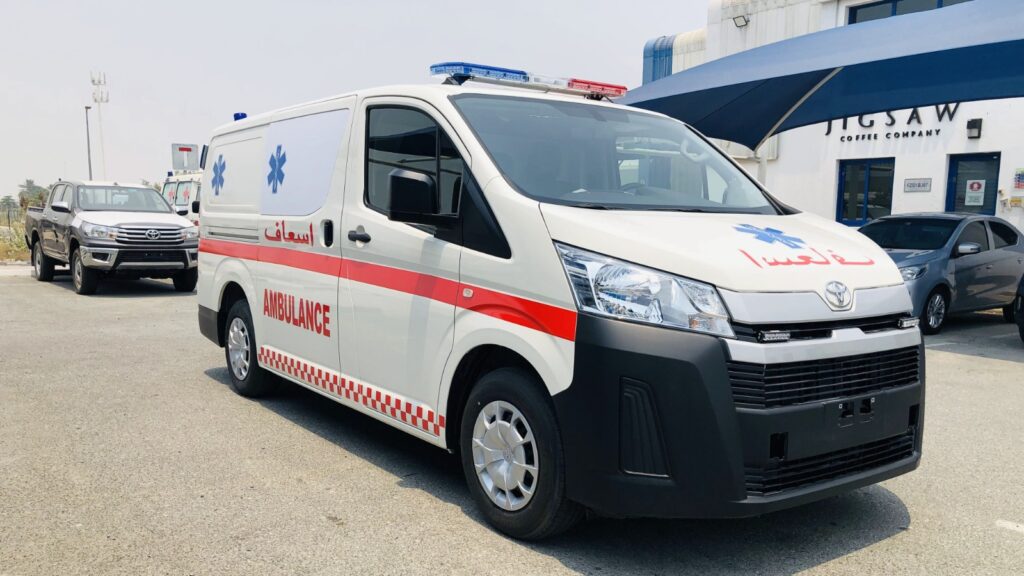
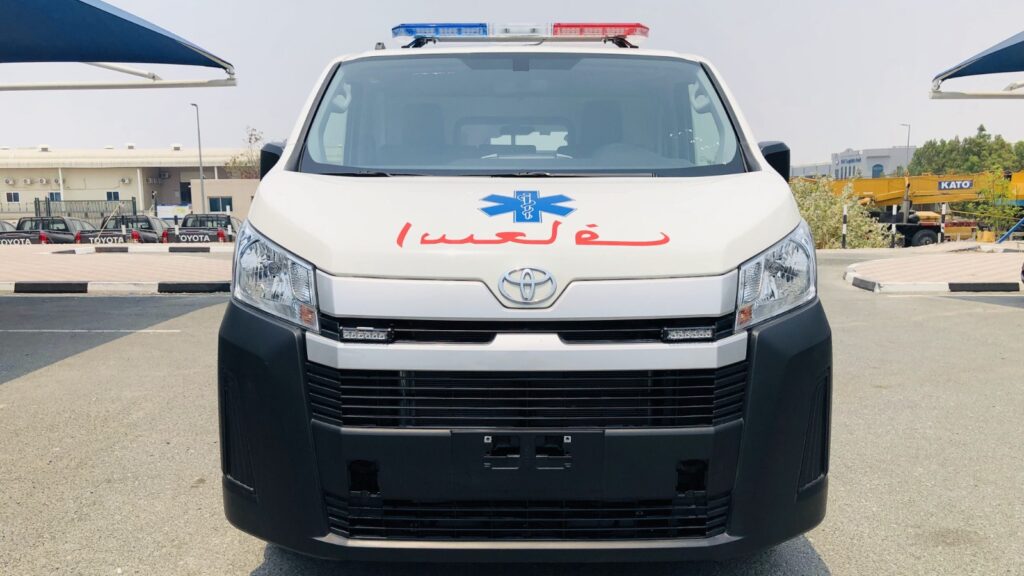
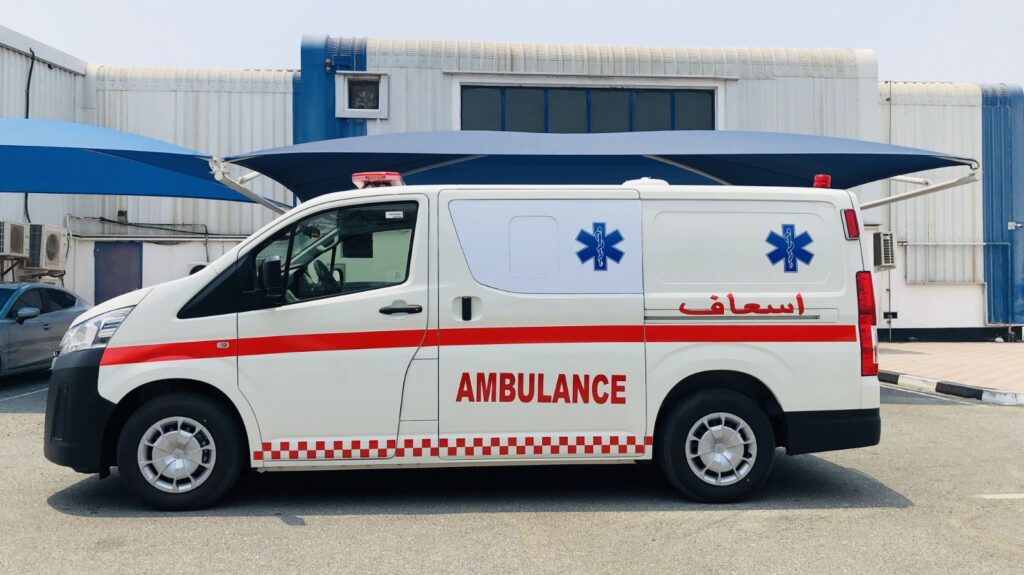
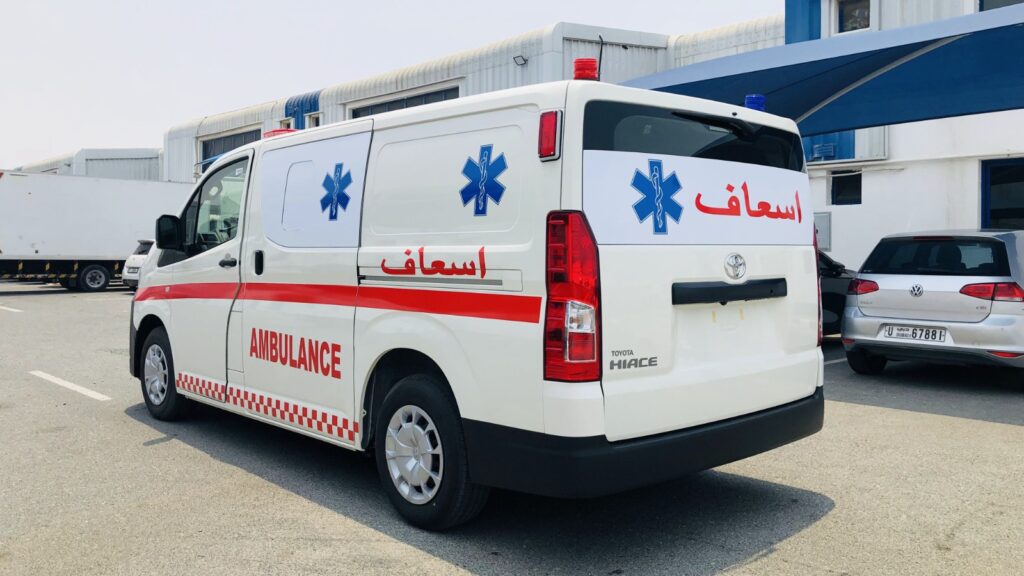

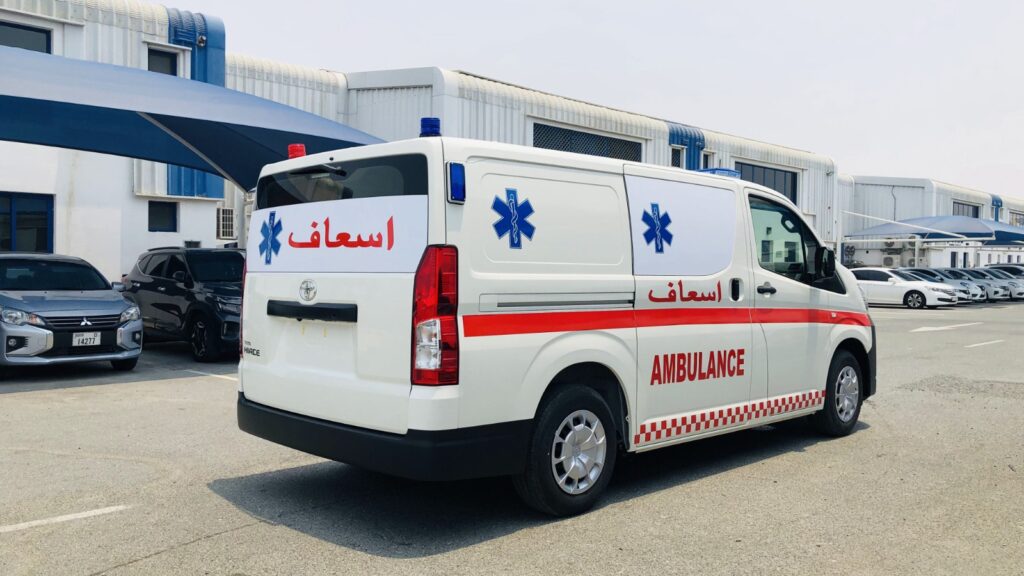
We are proud to announce that ICU OTOMOTİV İTHALAT İHRACAT VE DANIŞMANLIK LİMİTED ŞİRKETİ has been selected to fulfill this critical contract. Our proposal, centered on the robust and reliable Toyota Hiace 2.8L Diesel High Roof platform, was chosen for its unparalleled adherence to the requested specifications, its advanced medical cell configuration, and its proven performance in emergency medical services.
This article will dissect the technical features of this state-of-the-art hiace diesel ambulance, providing transparency and insight into why it stands as the optimal solution for advanced cardiac patient transport.
Section 1: The Foundation – Toyota Hiace 2.8L Diesel Chassis
The choice of chassis is the most critical decision in ambulance design, impacting everything from performance and safety to interior space and reliability. The Toyota Hiace has long been a global benchmark in the van segment, and the 2.8L diesel variant represents its pinnacle.
- Engine and Performance: The heart of this ambulance is the powerful and fuel-efficient 2.8-liter turbo-diesel engine. Diesel power is essential for this application, providing the high torque needed for rapid acceleration when fully loaded, consistent power for onboard medical systems, and superior long-term durability. This ensures that response times are minimized, and the vehicle performs reliably under the most demanding conditions.
- Transmission: The vehicle is equipped with a smooth and responsive automatic transmission (A/T). This is a crucial feature for emergency services, reducing driver fatigue in urban traffic and allowing the medical team in the back to focus on patient care without being jostled by frequent gear changes.
- Chassis and Suspension: Built on an L2 RWD van-type chassis, this hiace diesel ambulance features a reinforced comfort suspension system. This specialized suspension is calibrated to handle the additional weight of the medical cell and equipment while providing a stable and level ride—a vital factor when administering advanced life support to cardiac patients en route to the hospital.
- Safety and Driver Assistance: Safety is paramount. The chassis comes with a suite of standard and enhanced features, including:
- ASR (Traction Control System): Can be switched on or off as per road conditions, ensuring optimal grip.
- Front and Thorax Airbags: For both driver and attendant in the cabin.
- Rear Parking Assist & Rearview Camera: Essential for maneuvering the vehicle safely in tight spaces.
- Advanced Braking System: Features front (cooled) and rear disc brakes for confident stopping power.
Section 2: The Command Center – The Driver’s Cabin
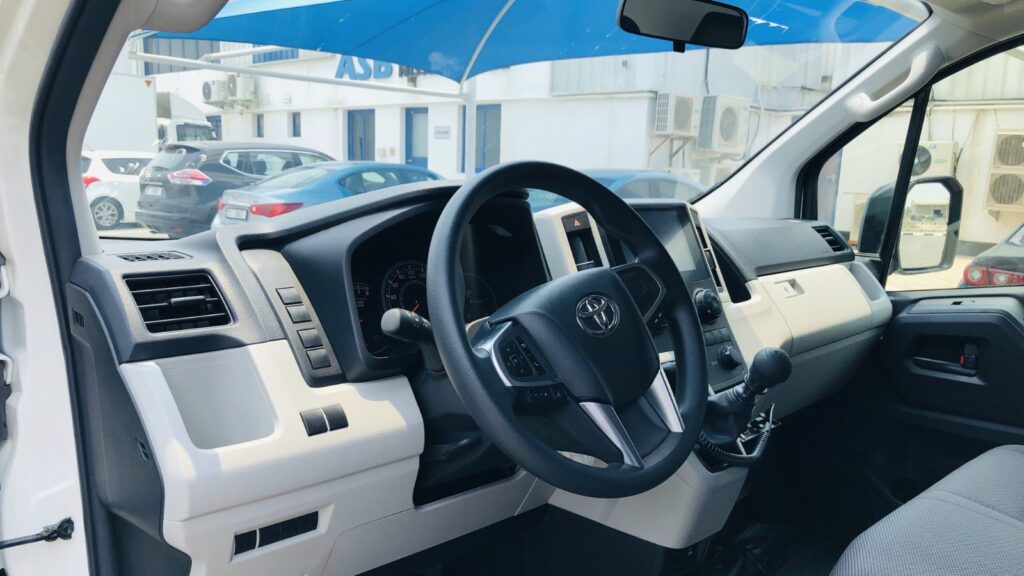
The cabin is designed for functionality, comfort, and safety, creating an optimal environment for the driver and front attendant.
- Ergonomics and Seating: Two comfort seats, adjustable for height and depth, ensure that crew members of all sizes can find a safe and comfortable driving position, reducing fatigue during long shifts.
- Climate Control: Semi-automatic air conditioning maintains a comfortable temperature in the cabin, ensuring the crew remains alert and focused.
- Integrated Technology: A 7-inch GPS navigation system doubles as the display for the rearview camera, providing a clear view of what’s behind the vehicle. This integrated approach saves space and simplifies the interface for the driver.
- Emergency Equipment: A 2000-lumen searchlight with a spiral cable and a 12V DC plug is included, providing powerful, portable illumination for any emergency scene.
Section 3: The Heart of the Operation – The Advanced Medical Cell
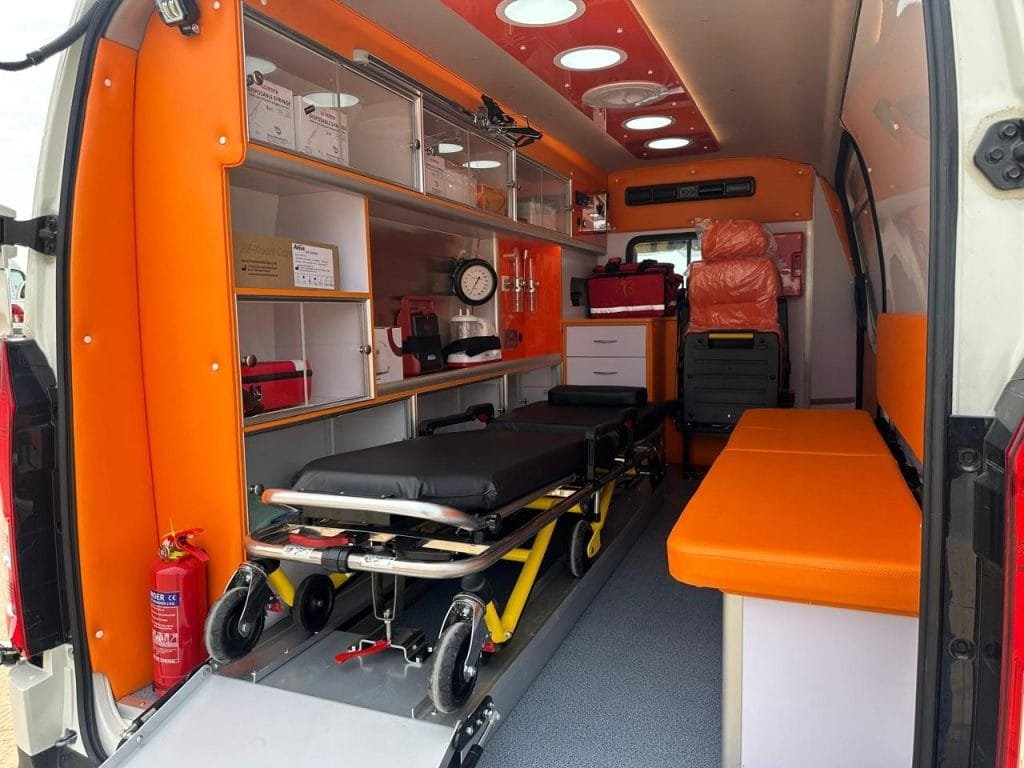
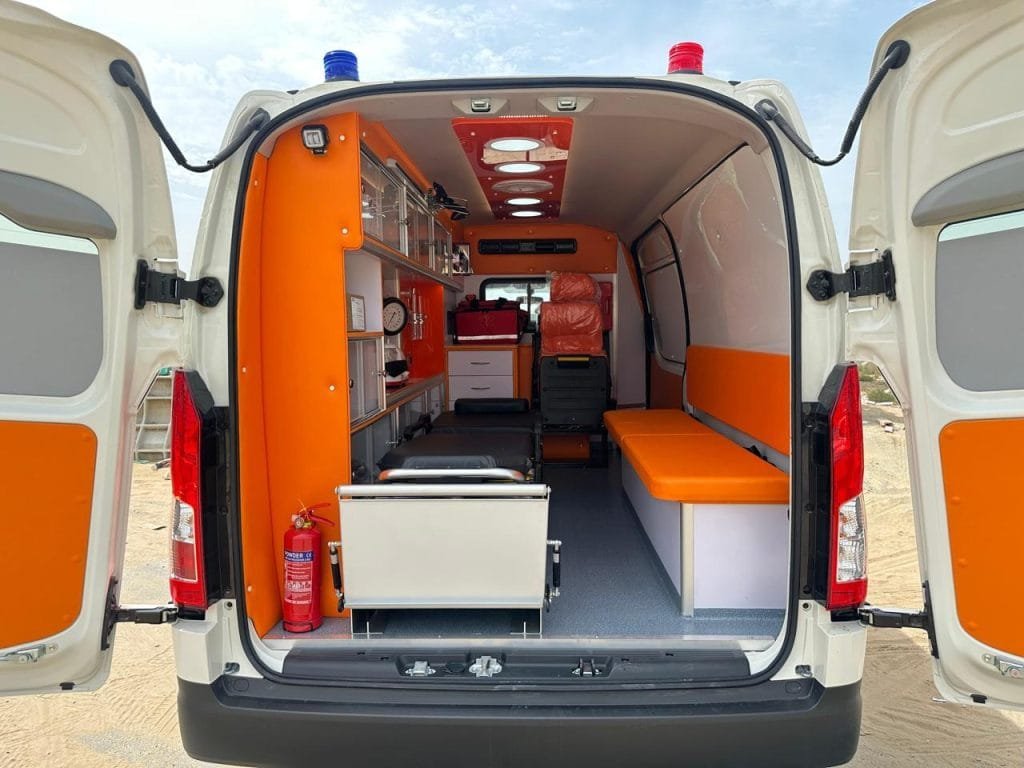
The medical cell is where life-saving care is administered. Our design for this Toyota Hiace ambulance prioritizes hygiene, durability, functionality, and a controlled environment.
- Construction and Materials: The entire interior—walls, floor, ceiling, and all furniture—is lined with a seamless, 4mm thick, smooth ABS panel. This material was selected over polyester for its superior water resistance, scratch resistance, and ease of cleaning and decontamination. Critical areas where medical devices are mounted are reinforced with internal aluminum plates for maximum strength and security.
- Internal Dimensions and Layout: The medical cell offers a spacious and functional interior with useful dimensions of 3540 mm (L) x 1740 mm (W) x 1900 mm (H). This provides ample room for two or three attendants to move around the patient and perform critical procedures. The configuration includes a sliding door on the right side and a two-part vertically rotating door at the rear, both with integrated steps for easy and safe access.
- Environmental Control (HVAC): A patient’s condition can be severely impacted by temperature. This ambulance is equipped with a comprehensive, independent climate system for the medical cell:
- Heating: A powerful diesel fuel heater provides rapid and consistent warmth, independent of the vehicle’s engine temperature.
- Air Conditioning: A high-capacity 5.7 kW evaporator, connected to the vehicle’s compressor, ensures the cell can be cooled effectively even in the hottest climates.
- Ventilation: A 500×500 mm roof ventilation hatch and a powerful roof fan (0-450 m³/hour) allow for rapid air exchange, crucial for clearing airborne contaminants and maintaining fresh air.
- Lighting: The cell features two distinct lighting systems:
- Primary Illumination: Evenly distributed warm white LED lighting provides exceptional visibility for medical procedures, delivering 800 lux.
- Trauma Lighting: Soothing blue LED lighting offers a calmer environment for disoriented or traumatized patients, reducing stress during transport.
- Workstations and Seating: The layout includes three dedicated seats for attendants: one folding seat at the head of the stretcher and two swivel-and-fold seats along the right wall. An advanced attachment and suspension system is installed at the patient’s head/torso for organizing essential equipment like oxygen masks, syringe pumps, and monitors.
Section 4: Critical Systems – Oxygen and Electrical
Oxygen Therapy System:
Oxygen is a fundamental drug in cardiac care. This ambulance is equipped with a comprehensive and redundant oxygen delivery system.
- Cylinder Storage: Two 10-liter/200-bar (B10) oxygen cylinders are securely stored behind the sliding door on the driver’s side.
- Distribution: A 3-point oxygen distribution block (AFNOR, MD standard) is located at the head of the stretcher, with a second block in the overhead cabinet. This dual-point system provides flexibility and ensures that oxygen is always within reach, no matter how the team is positioned around the patient.
Advanced Electrical System – Toyota Hiace 2.8L Diesel Ambulance
A medical vehicle is a mobile critical care unit, and its electrical system must be robust and versatile.
- Power Generation & Conversion: The vehicle’s 220V-14A alternator is supplemented by an additional battery dedicated solely to the medical unit. A high-capacity 2000W DC/AC inverter (exceeding the common 1000W standard) converts 12V DC to 230V AC, providing clean and stable power for sensitive medical devices.
- External Power & Charging: An external 230V AC DEFA power outlet allows the vehicle to plug into shore power, preserving the batteries during prolonged standby. A 12V/30A battery charger ensures the auxiliary systems are always ready.
- Comprehensive Power Outlets: The medical cell is outfitted with five 230V/16A power outlets, four 12V-20A universal cigarette lighter sockets, and four 5V/1A USB ports. This ensures that every piece of equipment, from ventilators to mobile phones, can be powered or charged simultaneously.
Section 5: Integrated Medical Equipment and Storage – Toyota Hiace 2.8L Diesel Ambulance
The vehicle comes pre-configured to seamlessly integrate with essential medical devices, many of which are supplied by the AVEUS brand, known for its reliability in emergency medicine.
- Core Medical Devices:
- Defibrillator-Monitor: AVEUS AV Heart Care 360 Biphasic Defibrillator-Monitor.
- Transport Ventilator: AVEUS AVS200 Portable Ventilator.
- Multi-Parameter Patient Monitor: AVEUS AV Pro for continuous vital sign monitoring.
- Viscosity Aspirator: For securing the patient’s airway.
- Strategic Storage Solutions:
- Front/Corner Unit & Cabinets: Ample storage on the driver’s side is designed for medical equipment, with a specific 300x250mm corner cabinet with transparent sliding doors for easy visibility of contents.
- Cable Management: A dedicated cable channel with separate compartments for 12V and 230V sockets prevents tangling and trip hazards.
- Compartment for Emergency Gear: The space behind the sliding door houses not only the oxygen cylinders but also equipment like a foldable evacuation chair, spine board, vacuum splints and mattress, large shears, crowbar, and a foldable warning triangle with blue flashing lights.
Section 6: Emergency Warning Systems
To ensure the safety of the crew, the patient, and the public, this hiace diesel ambulance is equipped with a full suite of visual and audible warning systems:
- Visual: A blue LED light bar on the cab roof, two blue LED flashers at the front, two blue priority lights at the rear, and an 8-module orange LED signal bar at the rear create a 360-degree warning presence.
- Audible: A day and night electronic siren provides a range of tones to effectively clear traffic in various urban and highway scenarios.
Conclusion: A Partnership in Advanced Pre-Hospital Care Toyota Hiace 2.8L Diesel Ambulance
The selection of ICU OTOMOTİV’s proposal for the Toyota Hiace 2.8L Diesel High Roof Ambulance is a testament to our commitment to quality, innovation, and a deep understanding of the needs of modern emergency medical services. This vehicle is more than just transport; it is a fully equipped, mobile intensive care unit, designed to provide the highest standard of Basic and Advanced Life Support from the scene of the incident to the hospital doors.
We extend our gratitude to the tender committee for their trust and look forward to a successful partnership in enhancing pre-hospital care capabilities.
Awarded Company:
Company Name: ICU OTOMOTİV İTHALAT İHRACAT VE DANIŞMANLIK LİMİTED ŞİRKETİ
Address: SARAY MAH. 36 CAD. NO: 12 D KAHRAMANKAZAN / ANKARA
Website: infinitychassis.com
E-mail: info@infinitychassis.com
Phone: +90 555 104 06 48
Tax Office: K. Kazan
Tax Number: 4651522595
Frequently Asked Questions – Toyota Hiace 2.8L Diesel Ambulance
1. What type of ambulance is built on the Toyota Hiace 2.8L diesel platform?
The vehicle is a medicalized high-roof emergency ambulance designed for advanced patient transport, including cardiac and critical care cases. It integrates a full medical cell, oxygen system, electrical infrastructure, and emergency warning equipment compliant with international ambulance conversion practices.
2. Why was the Toyota Hiace 2.8L diesel chassis selected for this tender?
The Toyota Hiace platform is globally recognized for:
- High torque and fuel efficiency from the 2.8L turbo-diesel engine
- Long-term mechanical durability in emergency fleet use
- Stable ride quality suitable for in-transit medical treatment
- Proven reliability in hot, rural, and high-duty environments
These factors made it the most compliant and operationally secure choice for the procurement.
3. What medical capabilities does this ambulance provide?
This ambulance supports Basic Life Support (BLS) and Advanced Life Support (ALS) functions, including:
- Defibrillation and cardiac monitoring
- Mechanical ventilation during transport
- Continuous vital-sign monitoring
- Airway suction and oxygen therapy
- Organized medical storage and treatment workspace
This configuration enables effective pre-hospital stabilization before hospital arrival.
4. How is temperature and air quality controlled inside the medical cell?
The ambulance includes an independent HVAC system consisting of:
- Diesel-powered heater for rapid warming
- 5.7 kW medical air-conditioning evaporator for hot climates
- Roof ventilation hatch and powered extraction fan
This ensures patient safety, infection control, and crew comfort in all climates.
5. What power systems support onboard medical equipment?
The vehicle features a redundant electrical architecture, including:
- Auxiliary medical battery
- 2000W DC/AC inverter supplying 230V AC
- External shore-power connection (DEFA)
- Multiple 230V, 12V, and USB outlets
This allows continuous operation of life-support equipment even when the engine is off.
6. How many medical staff can work inside the ambulance?
The medical cell is designed for two to three attendants, with ergonomic swivel and folding seats positioned to allow safe patient access and in-transit treatment.
7. What oxygen supply configuration is installed?
The system includes:
- Two 10-liter / 200-bar oxygen cylinders
- Dual oxygen distribution panels (AFNOR/MD standard)
- Flexible access points near the patient head and overhead cabinet
This ensures uninterrupted oxygen delivery during emergency transport.
8. Is the ambulance compliant with international safety expectations?
Yes. The vehicle integrates:
- ABS-compatible braking and traction systems
- Airbags for driver and front attendant
- Reinforced medical interior mounting points
- 360-degree LED emergency lighting and electronic siren
These features align with global emergency vehicle safety practices.
9. Can the Toyota Hiace diesel ambulance be customized for other countries or EMS standards?
Yes. Infinity Chassis Units provides full export customization, including:
- Layout modifications
- Alternative medical equipment brands
- Country-specific electrical standards
- Language labeling and documentation
- Compliance preparation for local homologation
This allows adaptation to government, NGO, and private EMS requirements worldwide.
10. Who manufactured and supplied the awarded ambulance?
The contract was awarded to:
ICU OTOMOTİV İTHALAT İHRACAT VE DANIŞMANLIK LİMİTED ŞİRKETİ
Kahramankazan / Ankara – Türkiye
Website: infinitychassis.com
E-mail: info@infinitychassis.com
Phone: +90 555 104 06 48
Infinity Chassis Units is an international engineering-led manufacturer specializing in ambulances, mobile medical units, and special-purpose emergency vehicles for global export.

