
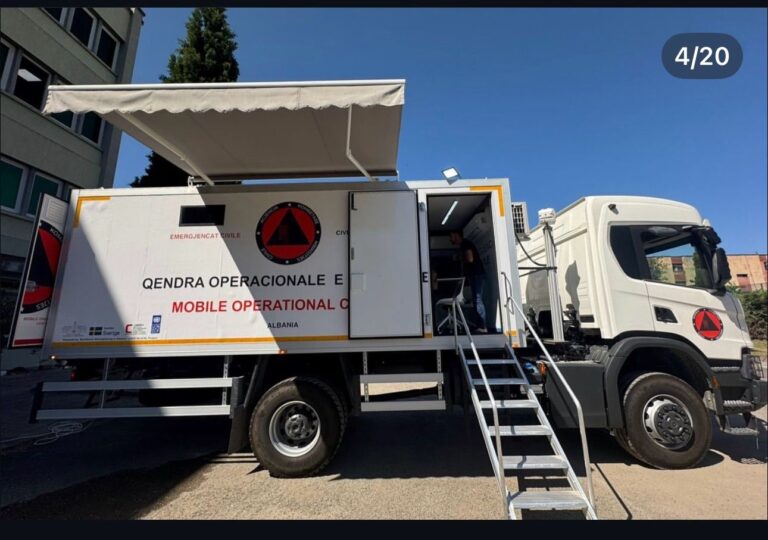
What Is a Mobile Command Center?
A Mobile Command Center (MCC), also known as a Mobile Command Post, Tactical Operations Center, or Emergency Operations Vehicle, is a hardened, self-contained, and technologically advanced platform designed to provide sovereign, on-scene command, control, communications, and intelligence (C3I) capabilities in dynamic, austere, or crisis environments. It is not a transport vehicle; it is a purpose-built, deployable headquarters that serves as the operational and cognitive core of a mission.
Functionally, an MCC bridges the critical gap between static command facilities and frontline personnel. It projects a commander’s decision-making capability to the precise locus of an incident—be it a natural disaster zone, a tactical law enforcement perimeter, a military engagement area, or a major public event. Unlike standard emergency vehicles (e.g., patrol cars, ambulances, fire trucks), which perform specific, tactical functions, an MCC is a strategic asset engineered for multi-agency coordination, real-time situational awareness synthesis, and the sustained execution of complex operations. Its value is measured not in speed or cargo capacity, but in the robustness of its connectivity, the clarity of its intelligence picture, and the stability of its operational environment.
Core Functions of a Mobile Command Center
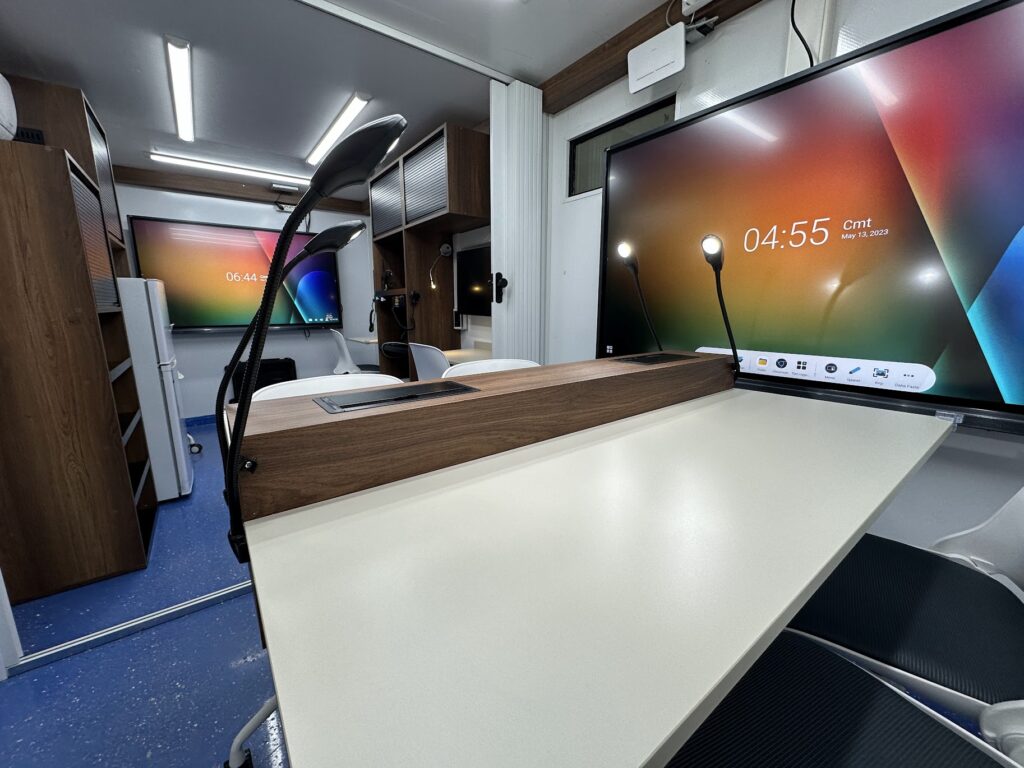
The operational supremacy of an MCC is derived from its integrated execution of four core functions.
1. Real-Time, Secure Communication: The primary mandate is to establish, maintain, and secure communication links across disparate and often degraded networks. An MCC functions as a master communications node, integrating VHF/UHF, TETRA, P25, cellular (4G/5G), satellite (SATCOM), and broadband data into a unified, interoperable system. It allows police to talk to firefighters, NGOs to coordinate with military units, and field operators to receive orders from commanders, irrespective of their native radio systems.
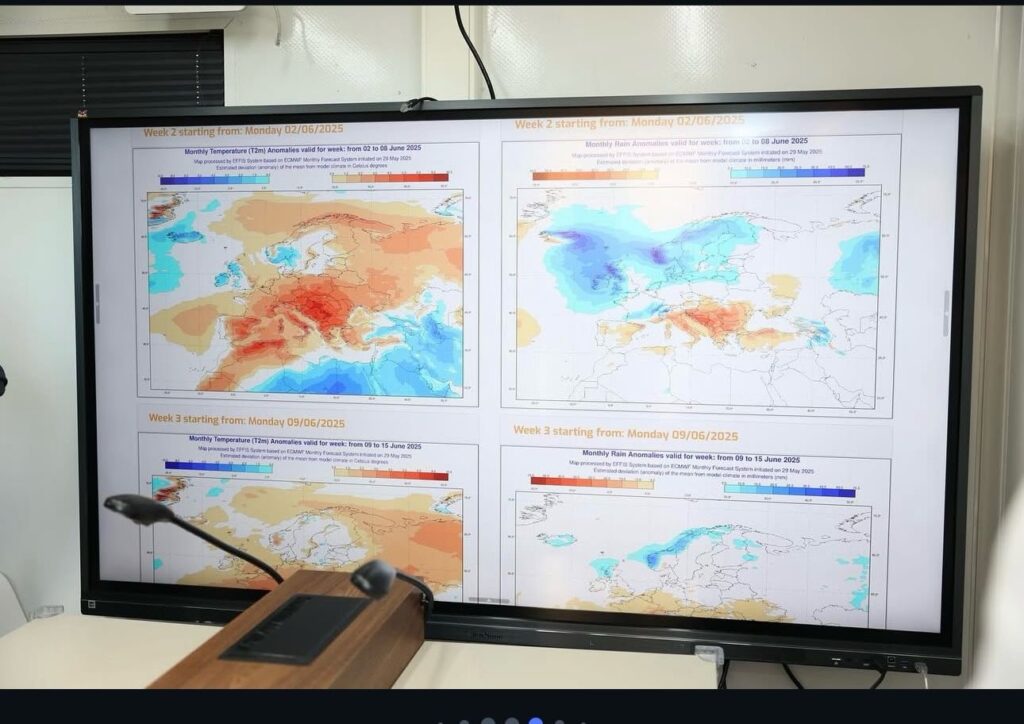
2. Comprehensive Situational Awareness: An MCC aggregates data from a multitude of sources—live drone/video feeds, GIS mapping systems, GPS tracker locations, social media monitoring, sensor networks, and intelligence databases—and presents it cohesively on video walls and operator workstations. This fusion transforms raw data into a unified operational picture (UOP), enabling commanders to perceive the tactical landscape with clarity, identify patterns, and anticipate developments.
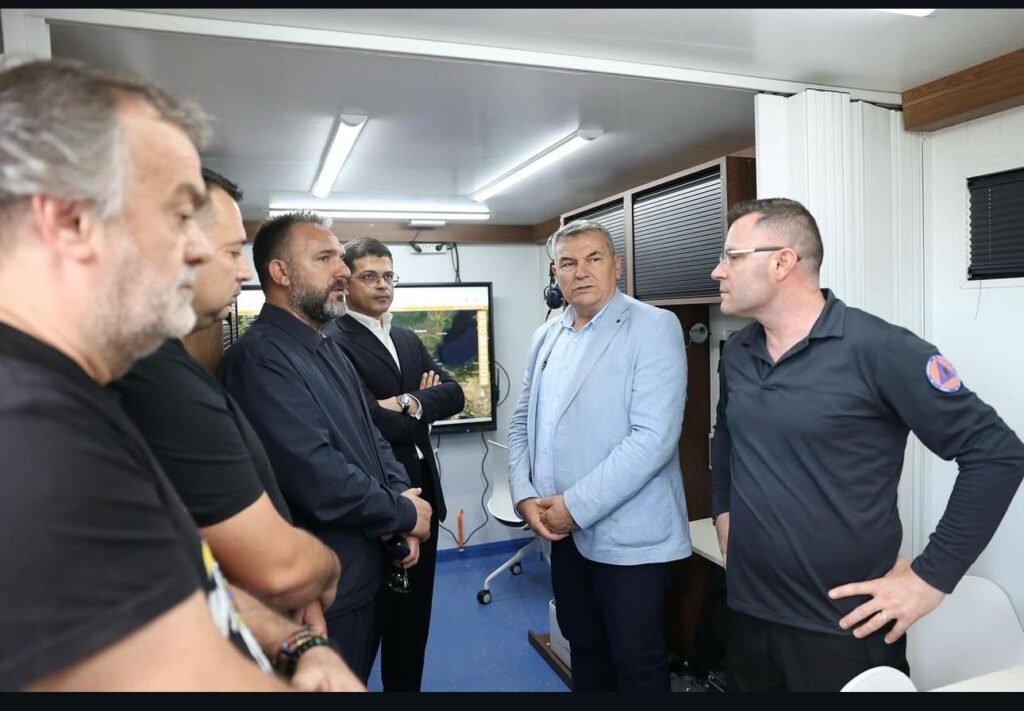
3. Multi-Agency Coordination: Complex incidents necessitate joint operations. The interior of an MCC is designed as a neutral, purpose-built space where representatives from different agencies (Police, EMS, FEMA, Red Cross, etc.) can co-locate. Shared visual displays, dedicated briefing areas, and secure but interconnected communication channels break down institutional silos, facilitate unified strategy, and ensure a coherent, synchronized response.
4. Protected Field Decision Support: The vehicle provides a climate-controlled, ergonomic, and psychologically isolated sanctuary for command staff. Shielded from weather, noise, and chaos, leaders can analyze information, conduct secure videoconferences, assess risks, and issue commands based on comprehensive intelligence rather than fragmented reports. This environment preserves cognitive function during prolonged, high-stress missions.
Operational Use Cases
Mobile Command Centers are force multipliers across the spectrum of public safety, defense, and humanitarian operations.
Disaster Response & Humanitarian Missions
In the aftermath of earthquakes, hurricanes, or floods, fixed infrastructure is often destroyed. MCCs deploy to establish the first stable command node. They coordinate search and rescue (SAR) teams, manage logistics for aid distribution, restore critical communications for the affected population and responding agencies, and serve as the liaison point between local authorities, national governments, and international NGOs like the UN or ICRC.
Police Command Operations
For critical incidents such as armed barricades, terrorist events, large-scale criminal investigations, or civil unrest, police MCCs provide a secure platform. Commanders can oversee SWAT deployments, manage perimeter security, conduct investigative database queries, monitor public sentiment, and manage media relations from a single, protected location at the inner perimeter.
Military Field Coordination
Military MCCs, often designated as Tactical Operations Centers (TOCs), are integral to battalion and brigade-level operations. They house battle captains, intelligence (S2), and operations (S3) staff. They maintain constant communication with subordinate units and higher command, track friendly and enemy forces on digital C2 systems, plan missions, and execute fire support coordination in near-real-time.
Border Security
Deployed along remote or contested borders, MCCs act as persistent surveillance and interception coordination hubs. They integrate feeds from long-range cameras, radar systems, seismic sensors, and UAVs. Operators can detect illicit crossings, coordinate rapid response units, and manage interdiction efforts across vast geographic areas from a single mobile facility.
Large Public Events
For major sporting events, political summits, or international festivals, MCCs serve as the central nervous system for security and operational management. They unify communications between private security, local police, federal agencies, and medical services. They enable real-time crowd monitoring, credential verification, traffic management, and rapid response to medical or security incidents.
Vehicle Platforms and Structural Design
The platform choice dictates mobility, interior space, and deployment profile.
- Truck-Mounted (Heavy-Duty): Built on commercial (e.g., MAN, Mercedes, Volvo) or military (e.g., HEMTT, MTVR) truck chassis. Offers maximum interior space (20-40ft+ boxes), payload for heavy equipment, all-terrain capability, and potential for armored variants. The standard for military and large-scale civil defense.
- Van-Based (Medium-Duty): Utilizing chassis like Mercedes Sprinter or Ford F-550. Provides excellent road mobility, easier garage storage, and faster deployment for municipal police or rapid-response teams. Space is more limited, necessitating highly efficient layout design.
- Containerized/Trailer-Mounted: Systems built to ISO standards or on custom trailers. Offer exceptional flexibility; can be air-lifted, shipped, or towed, and rapidly transferred between different prime movers. Ideal for pre-positioned disaster stockpiles and organizations requiring extreme logistical flexibility.
Interior Zoning is engineered for mission flow:
- Command Room: The core, featuring a forward-facing video wall, 4-8+ ergonomic operator workstations with tactical computing, and strategic planning tables.
- Communications/Server Room: A segregated, ventilated rack bay housing radios, servers, network switches, encryption devices, and power distribution. Critical for heat and noise management.
- Briefing/Planning Area: A dedicated space with a conference table and display for team briefings, inter-agency meetings, and mission planning, separate from the active command floor.
- Rest/Climate Lock: A small, insulated area for operator rest, often including a compact galley and toilet, essential for 24/7 operations.
Communication & Connectivity Systems
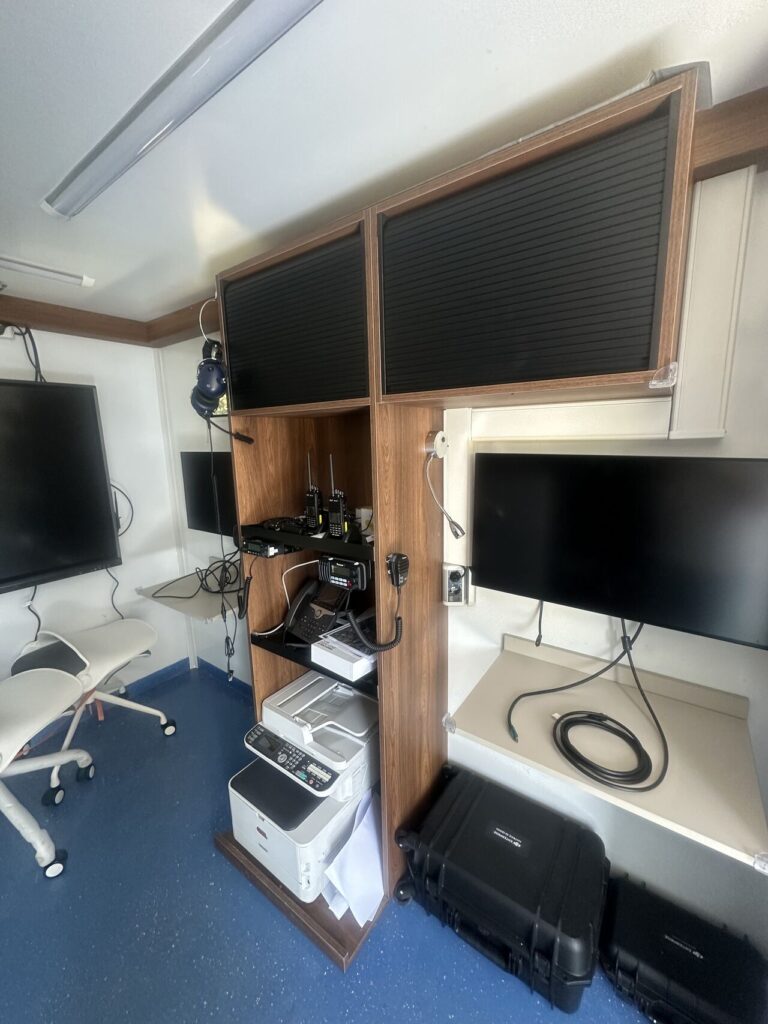
The communications suite is the central nervous system of the MCC, built on principles of redundancy, interoperability, and security.
- Radio Interoperability Gateways: Devices like JVCKenwood’s KTI-2 or Cisco’s IPICS facilitate cross-band talking, linking VHF, UHF, P25, TETRA, and other networks into a single voice-over-IP (VoIP) system.
- Satellite Communication (SATCOM): Provides a guaranteed, independent link for voice and high-throughput data (VSAT) when terrestrial networks are unavailable. Systems can be fly-away, on-board auto-acquire, or ruggedized dome antennas.
- Cellular Aggregation (4G/5G Bonding): Devices from vendors like Peplink or Cradlepool combine multiple cellular modems from different carriers into a single, robust, high-bandwidth data pipe, providing a cost-effective primary or backup data backbone.
- On-Board Data Management: The vehicle hosts its own server stack, running incident command software (e.g., WebEOC, CrisisWorks), mapping applications (ArcGIS, C2PC), and video management systems (VMS). This ensures operational continuity even if wide-area network (WAN) links are intermittent.
- Video Wall & AV Distribution: High-brightness, narrow-bezel LCD or direct-view LED walls display the UOP. A matrix switcher allows any workstation to push its content to any screen, facilitating dynamic briefing and collaboration.
Power, Autonomy, and Environmental Control
Mission endurance is dictated by its self-sufficiency.
- Power Generation: A primary diesel generator (e.g., 10-25 kVA) provides main power. A secondary, smaller generator ensures redundancy. Advanced systems feature automatic failover and load management.
- Battery Banks & Inverters: Large lithium or AGM battery banks, charged by the generator or shore power, support silent watch operations (all systems running without generator noise) for 4-12 hours and provide clean UPS protection for sensitive electronics.
- Shore Power Inlet: Standardized inlets (e.g., 220V/50A) allow for connection to grid power during extended deployments at fixed sites, conserving fuel and reducing maintenance.
- Environmental Control: Redundant HVAC systems (heating, ventilation, air conditioning) are mission-critical. They must maintain a stable temperature for both personnel and sensitive electronics in external conditions ranging from -30°C to +50°C. Positive pressure and filtration may be included for CBRN environments.
H2: Are Mobile Command Centers Armored?
Protection levels are strictly mission-defined.
- Civilian/Police Configurations: Typically feature a “hardened” monocoque body (fiberglass composite over steel cage) for basic structural integrity and small arms splash protection. Ballistic armor (NIJ Level III/IV, VPAM) is an optional upgrade for high-risk law enforcement or counter-terrorism units.
- Military Configurations: Often built to standardized ballistic and blast protection levels (e.g., STANAG 4569). This involves integrating armored cabins and V-hull technology on protected truck chassis to defend against IEDs, artillery fragments, and direct small arms fire. Armor adds significant weight, reduces payload, and increases cost, making its specification a deliberate tactical trade-off.
H2: How Much Does a Mobile Command Center Cost?
Procurement budgets vary exponentially based on configuration. It is more accurate to consider investment brackets.
- Basic Communication Van: A van-based platform with integrated radio, basic data, and simple workstations can range from $250,000 to $600,000.
- Full-Featured Truck-Mounted MCC: A heavy-duty truck with comprehensive multi-agency comms, SATCOM, video wall, full interior fit-out, and high-end power systems typically falls between $800,000 and $2.5 million.
- Advanced Military/Tactical MCC: A vehicle with certified ballistic/blast protection, advanced encrypted C2 systems, specialized military radios, and extreme environmental hardening can range from $2 million to over $5 million.
Key Cost Drivers: Chassis type and armor; complexity of comms/IT integration; level of redundancy in power and systems; interior finish quality and ergonomics; and compliance certification costs (e.g., MIL-STD, TAA).
H2: Customization and Modular Engineering
Off-the-shelf solutions rarely suffice for high-stakes operations. Leading manufacturers employ a mission-driven engineering process.
- Mission-Specific Layouts: The workflow of a counter-drug unit differs from a wildfire management team. Workstations, rack placement, and briefing areas are configured to match the specific operational tempo and information flow of the end-user.
- Expandable Systems: Roof-mounted telescopic masts, slide-out room extensions, and rapidly deployable external canopies can physically expand the operational footprint at the scene.
- Future-Proof Architecture: Systems are designed with spare rack space (RU), power capacity, cable conduits, and network bandwidth to accommodate next-generation radios, AI-powered analytics software, or new sensor feeds without requiring a new vehicle platform.
H2: Choosing the Right Mobile Command Center Manufacturer
Selecting a manufacturer is a strategic decision with decades-long implications.
- Full-Scale Engineering Capability: Prefer a partner with in-house mechanical, electrical, and systems engineering teams, not just an integration shop. They must understand structural dynamics, electromagnetic interference (EMI), and thermal management at a fundamental level.
- Compliance & Certification: The manufacturer must demonstrably build to relevant international standards: ISO 9001 for quality, ISO 17025 for calibration, MIL-STD-810 for environmental robustness, and STANAG for military applications. Compliance should be auditable.
- Global Export & Tender Support: They must have proven experience navigating complex international procurement (ITB, RFP), export controls (ITAR, EAR), and local homologation requirements. They should provide comprehensive technical documentation, training packages, and long-term global logistics support.
3. TECHNICAL DIAGRAM DESCRIPTION
Typical Interior Layout of a Mobile Command Center
The following describes a standard layout for a truck-based MCC, optimized for operational flow and efficiency. The interior is accessed via an airlock-style entry vestibule at the rear, which provides thermal and acoustic insulation from the exterior environment.
Upon entry, the space is divided into three primary zones longitudinally. The forward third of the box is dominated by the Command Room. Here, 6-8 shock-mounted, ergonomic operator consoles are arranged in a slight chevron formation, facing a full-width, high-resolution video wall at the front bulkhead. Each console hosts multiple secure/non-secret monitors, tactical keyboards, and dedicated radio control heads. Directly behind the last row of consoles, a standing-height technical bench runs laterally, providing space for additional specialized workstations (e.g., for a Geospatial Intelligence analyst or UAV operator).
The middle third of the vehicle contains the Technical Bay. This area is accessed via a solid partition door from the command room. It houses the standardized 19-inch equipment racks, arranged in rows or facing pairs. The racks contain the entire communication and computing stack: radio transceivers, satellite modems, network routers/switches, cryptographic units, server blades, and power distribution panels. This bay has independent, high-volume forced-air cooling. Above the racks, a technical mezzanine may provide additional storage for spare parts and ancillary equipment.
The rear third is dedicated to Support Functions. Adjacent to the entry vestibule, a compact but fully functional Galley (with refrigerator, microwave, and sink) and a Rest Area with convertible seating allow for crew sustenance during prolonged operations. A separate, enclosed Sanitary Unit with a toilet and sink is typically located opposite. Circulation paths are designed to be clear and unobstructed, with all cabling routed under raised flooring or in overhead cable trays to ensure safety and maintenance access. The overall design ensures a logical flow from intelligence intake (comms racks) to intelligence fusion (command room) to decision-making, all within a resilient, self-powered envelope.
4. FAQ SECTION
1. What is a mobile command center used for?
A Mobile Command Center is used as a deployable, on-scene headquarters for coordinating complex operations. Its primary functions are establishing secure, multi-agency communications, fusing data into a unified operational picture, and providing a stable environment for command staff during disasters, law enforcement crises, military operations, or major public events.
2. What is the difference between a mobile command center and a regular command post?
“Command post” is a generic term for any location where command is exercised. A Mobile Command Center specifically refers to a purpose-built vehicle or containerized system with integrated power, communications, and computing, designed for rapid deployment and autonomous operation at the point of need, unlike ad-hoc posts set up in buildings or tents.
3. How many personnel can typically operate inside?
Capacity varies by platform. A van-based unit may support 3-5 operators. A standard truck-based MCC is typically designed for 6-8 primary operators in the command room, with additional space for 2-3 in a briefing area. Larger, expandable units can accommodate 12-15+ personnel.
4. How long can it operate автономously?
Autonomy is defined by fuel and consumables. With standard fuel tanks and prudent generator cycling, most MCCs can operate 24/7 for 72-96 hours without resupply. Silent watch operation (on batteries only) typically lasts 4-12 hours, depending on the load.
5. Can it operate in extreme climates?
Yes, high-specification MCCs are engineered for extreme environments. Redundant HVAC systems are tested to maintain internal temperatures between 18-24°C in external conditions ranging from -30°C to +50°C. Additional insulation, engine block heaters, or high-capacity cooling systems are used as required.
6. What communication systems are essential?
A core suite includes: VHF/UHF mobile radios for local ground force communication, an interoperability gateway (e.g., P25, TETRA), a satellite communication terminal (for guaranteed backhaul), cellular bonding routers for primary data, and an internal VoIP network tying all systems together.
7. Can satellite communication be added later?
While it is always more efficient to design SATCOM into the original build due to structural, power, and cabling requirements, reputable manufacturers can integrate capable fly-away or dome systems during a mid-life upgrade, provided power and data pathways were provisioned for.
8. What training is provided with procurement?
Reputable manufacturers provide comprehensive training packages covering vehicle systems (power, HVAC, safety), communications equipment operation, basic troubleshooting, and preventive maintenance. Training is typically conducted for both operators and maintenance technicians at delivery.
9. What is the procurement and build timeline?
Timelines vary significantly. For a customized, complex vehicle, the process—from initial requirements definition and engineering design to procurement of long-lead items, fabrication, integration, testing, and acceptance—can take 12 to 24 months. Simpler, less customized vehicles may be delivered in 6-9 months.
10. What are the key maintenance requirements?
Maintenance is multi-faceted: regular chassis servicing per OEM schedule; generator hourly maintenance; testing and exercising of all communication systems; software/firmware updates for IT and radio systems; and inspection of shelter integrity, seals, and HVAC components. A planned maintenance schedule is critical.