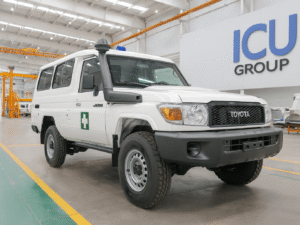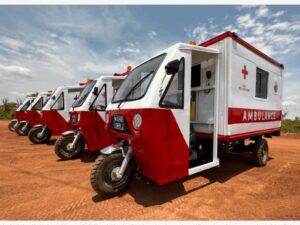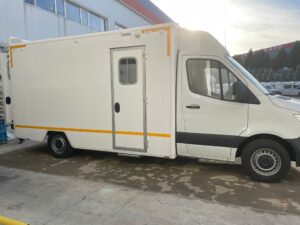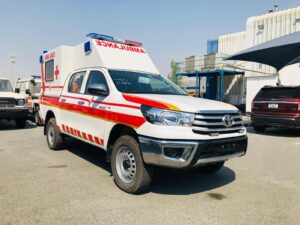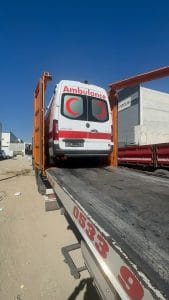
Ambulance Cost & Manufacturers; Based on the latest search data from the past 7 days, there’s significant global interest in ambulance pricing, specifications, and manufacturers. This comprehensive guide addresses the most frequently asked questions about ambulance costs, types, and purchasing considerations.
Understanding Ambulance Types and Their Costs
Type 1, 2, and 3 Ambulances: What’s the Difference?
Type 1 Ambulance (22+ daily searches)
- Design: Truck-style chassis with separate modular patient compartment
- Best For: Critical care transport and rural operations
- Typical Base Vehicles: Ford F-Series, Chevrolet Silverado
- Average Cost: $130,000 – $220,000 USD for fully equipped units
Type 2 Ambulance (12+ daily searches)
- Design: Van-style with raised roof
- Best For: Basic life support and patient transport
- Typical Base Vehicles: Ford Transit, Mercedes Sprinter, Ram ProMaster
- Average Cost: $100,000 – $160,000 USD
Type 3 Ambulance (12+ daily searches)
- Design: Cutaway van chassis with integrated cab
- Best For: Advanced life support and urban operations
- Typical Base Vehicles: Ford E-Series cutaway
- Average Cost: $120,000 – $180,000 USD
How Much Does an Ambulance Cost? Global Price Analysis
United States Market
- New fully stocked ambulance: $130,000 – $250,000 USD
- Used ambulance: $40,000 – $120,000 USD
- Ambulance conversion kits: $20,000 – $50,000 USD
International Price Comparisons
- “Precio de una ambulancia nueva” (33 searches): $80,000 – $150,000 USD in Latin America
- “Prix ambulance neuve” (13 searches): €90,000 – €200,000 in Europe
- “تكلفة سيارة الاسعاف” (11 searches): $70,000 – $130,000 USD in Middle East
Factors Affecting Ambulance Cost
- Base Vehicle: Toyota Hiace ($35k-$50k) vs. Mercedes Sprinter ($45k-$70k)
- Medical Equipment Level: BLS ($15k-$30k) vs. ALS ($40k-$80k)
- Customization: Standard vs. specialized configurations
- Certifications: Local regulatory compliance costs
Top Ambulance Manufacturers by Region
United States Manufacturers
- Wheeled Coach (Industry leader for Type 1-3 ambulances)
- Braun Industries (Custom ambulance specialists)
- Demers Ambulances (North American and international markets)
- PL Custom (Emergency vehicle manufacturers since 1975)
European Manufacturers
- Ambulances B.B. (France/Belgium)
- MSA (Mobile Sanitätsausrüstung) (Germany)
- MBB (Medical Buses Bulgaria) (European and export markets)
Asian and Middle Eastern Manufacturers
- Toyota Auto Body (HiAce and Land Cruiser ambulances)
- Bin Draim (Saudi Arabia)
- Various Turkish manufacturers serving MENA region
Specialized Ambulance Configurations
4×4 and Off-Road Ambulances
- Toyota Land Cruiser Ambulance (16+ searches)
- Toyota Hilux 4×4 Ambulance (21+ searches)
- Ford F-550 4×4 Ambulance
- Ideal For: Rural, mining, military, and disaster response
Mobile ICU Units
- Features: Advanced monitoring, ventilator support, medication pumps
- Typical Vehicles: Mercedes Sprinter, Ford Transit extended length
- Cost Premium: +$40,000 – $80,000 over standard ALS units
Electric Ambulances (49 searches)
- Current Options: Mercedes eSprinter, Ford E-Transit conversions
- Benefits: Lower operating costs, zero emissions
- Limitations: Range constraints for rural operations
Essential Ambulance Equipment Lists
Basic Life Support (BLS) Equipment ($15,000-$25,000)
- Stretcher and loading system
- Basic monitoring (BP, pulse ox, thermometer)
- Oxygen delivery system
- Basic airway management kit
- First response medications
- Immobilization equipment (C-collar, splints)
Advanced Life Support (ALS) Equipment ($30,000-$60,000)
- Cardiac monitor/defibrillator
- 12-lead ECG capability
- Advanced airway equipment
- IV pumps and fluid warmers
- Portable ventilator
- Point-of-care testing
Critical Care Additions ($40,000-$80,000)
- Transport ventilator with advanced modes
- Invasive monitoring capability
- Multiple infusion pumps
- IABP or ECMO capability (specialized units)
- Neonatal incubator systems
International Considerations and Regulations
Regional Requirements
- Saudi Arabia/Kuwait: Specific color schemes and equipment standards
- Europe: EN 1789 certification required
- USA: KKK-A-1822F standards (federal specifications)
- Australia: AS/NZS 4535 compliance
Import/Export Considerations
- Vehicle modifications for right/left-hand drive
- Electrical system conversions (110v vs. 220v)
- Climate control adaptations for extreme environments
- Local certification and registration processes
New vs. Used Ambulances: Making the Right Choice
Benefits of New Ambulances
- Latest safety features and technology
- Full warranty coverage (typically 3-5 years)
- Custom configuration to exact specifications
- Better financing terms available
Benefits of Used Ambulances
- Lower initial investment (40-60% of new cost)
- Immediate availability
- Depreciation already occurred
- Can be refurbished and re-certified
Maintenance and Operating Costs Ambulance Cost & Manufacturers – Global Price Analysis
Annual Operating Expenses
- Fuel/Energy: $8,000 – $15,000
- Maintenance/Repairs: $5,000 – $12,000
- Insurance: $3,000 – $8,000
- Equipment Updates: $2,000 – $5,000
- Total Annual Cost: $18,000 – $40,000
Lifecycle Considerations
- Typical Service Life: 5-10 years or 150,000-250,000 miles
- Major Refurbishment: Recommended at 5-year intervals
- Resale Value: 30-50% of original cost after 5 years
Frequently Asked Questions
Q1: How much does a fully stocked ambulance cost?
A: Between $30,000 and $150,000 USD for a new unit, depending on type and equipment level.
Q2: What’s the difference between Type 1, 2, and 3 ambulances?
A: Type 1 is truck-based, Type 2 is van-based, Type 3 is cutaway van-based. Each serves different operational needs.
Q3: Are there electric ambulance options?
A: Yes, manufacturers are converting Mercedes eSprinter and Ford E-Transit platforms, though range limitations exist for rural areas.
Q4: How much does ambulance maintenance cost annually?
A: Expect $18,000-$40,000 annually including fuel, maintenance, insurance, and equipment updates.
Q5: What certifications should I look for in an ambulance?
A: In the US, KKK-A-1822F standards; in Europe, EN 1789 certification; plus local regulatory compliance.
Q6: Can I import an ambulance from another country?
A: Yes, but consider modifications for driving position, electrical systems, and local certification requirements.
Q7: What’s the typical lifespan of an ambulance?
A: 5-10 years or 150,000-250,000 miles with proper maintenance and periodic refurbishment.
Emerging Trends in Ambulance Design Ambulance Cost & Manufacturers – Global Price Analysis
Technology Integration
- Telemedicine capabilities for remote physician consultation
- Real-time vehicle and patient monitoring
- Automated documentation systems
- Advanced navigation and dispatch integration
Sustainability Focus
- Electric and hybrid powertrains
- Solar panel integration for auxiliary power
- Lightweight composite materials
- Energy-efficient climate control systems
Specialized Configurations
- Pandemic response units with negative pressure
- Mental health crisis intervention vehicles
- Community paramedicine units
- Disaster response mobile treatment centers
Making Your Purchase Decision
Steps to Take:
- Assess Your Needs: Patient volume, service area, types of calls
- Research Regulations: Local certification and equipment requirements
- Budget Planning: Consider total cost of ownership, not just purchase price
- Supplier Evaluation: Check manufacturer reputation, service network, warranty
- Financing Options: Explore loans, leases, and grant opportunities
Red Flags to Avoid:
- Manufacturers without proper certifications
- Missing service and parts documentation
- Unrealistically low prices (may indicate poor quality or hidden issues)
- Limited warranty coverage
Conclusion
Ambulance Cost & Manufacturers; The ambulance market offers diverse options to meet various operational needs and budgets. Whether you need a basic BLS unit for patient transport or a sophisticated mobile ICU for critical care, understanding the costs, manufacturers, and specifications will help you make an informed decision.
Based on current search trends, buyers are particularly interested in pricing transparency, manufacturer reliability, and total cost of ownership. By considering these factors and working with reputable manufacturers, you can acquire an ambulance that serves your community effectively for years to come.