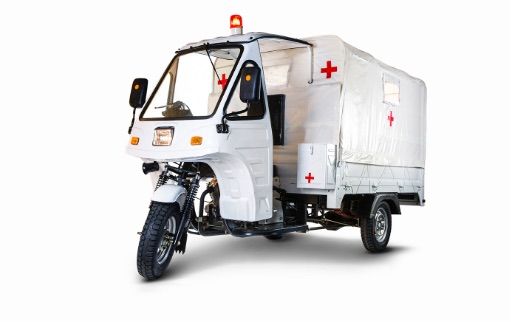
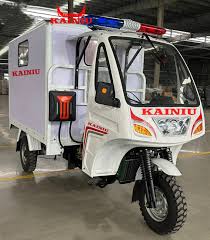
Cost-Effective Emergency Mobility by Infinity Chassis Units
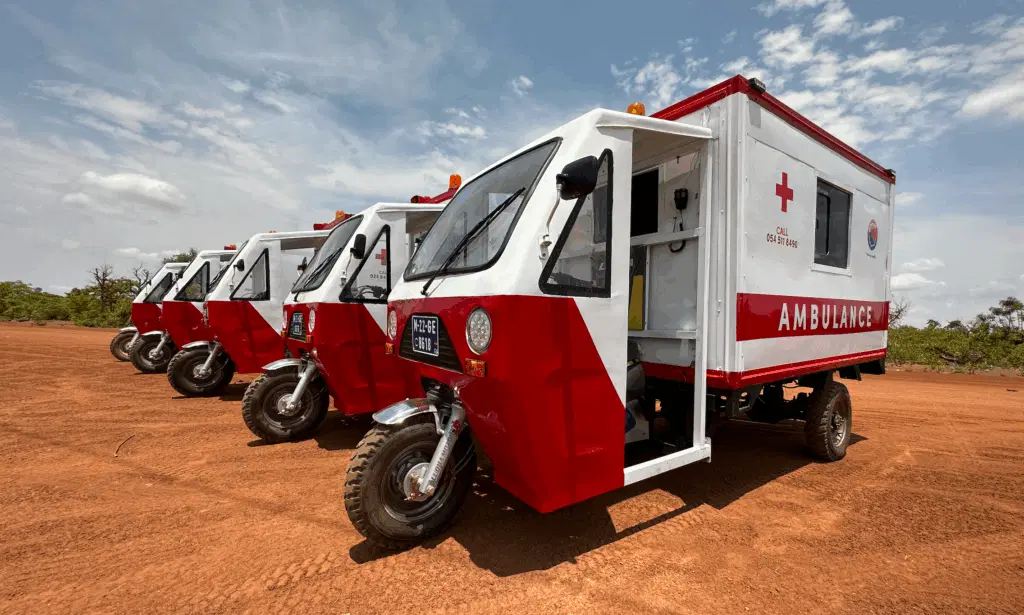
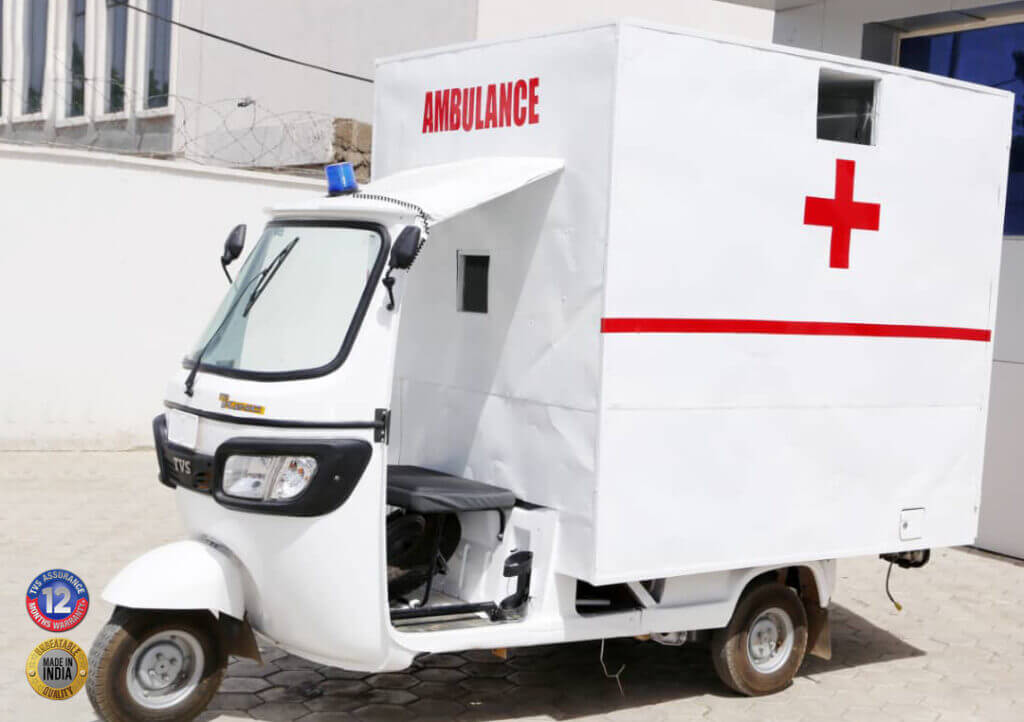
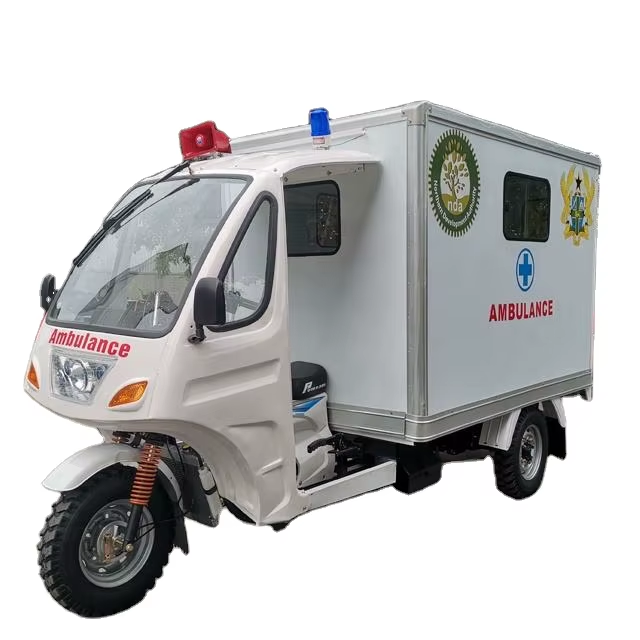
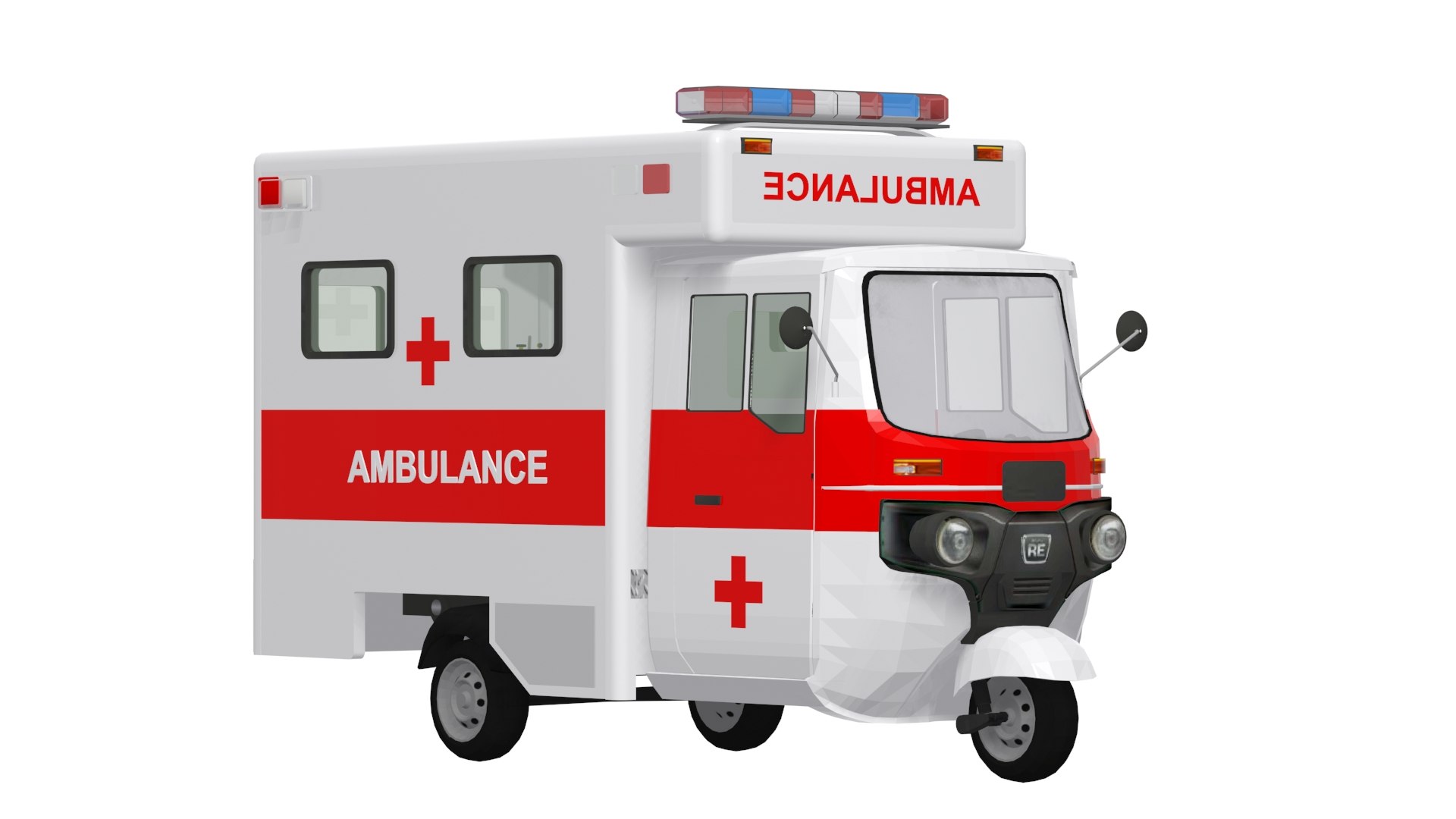
Infinity Chassis Units (ICU) is a Turkish engineering-led manufacturer specializing in special purpose vehicle conversions, including low-cost medical transport solutions for underserved and remote areas. Our Tricycle Ambulance (also known as 3-wheel ambulance or ambulancia triciclo) is designed to support last-mile emergency medical access where conventional ambulances cannot operate.
Trusted by governments, NGOs, and public health agencies, the ICU tricycle ambulance offers affordable, life-saving mobility for patients in rural, conflict-affected, or post-disaster regions.
Vehicle Overview: Three-Wheeler Ambulance for Remote EMS Access
The Tricycle Ambulance is a light medical transport vehicle based on a rugged motorcycle or motor tricycle chassis, designed to navigate narrow roads, unpaved tracks, and villages without ambulance infrastructure. It is optimized for use in:
-
Rural healthcare outreach
-
Mobile clinics and community health programs
-
Sub-Saharan Africa, South Asia, Southeast Asia
-
Humanitarian and development projects
Known globally under names like ambulance tricycle, three-wheeler ambulance, and ambulancia moto, this compact solution helps bridge the emergency transport gap for low-income or geographically isolated populations.
Tricycle Ambulance Features
-
Durable motorcycle or tricycle base (150cc to 250cc engine)
-
Covered patient cabin with stretcher or bench seat layout
-
Rear-opening or side-opening door for stretcher access
-
Oxygen cylinder holder and basic medical storage
-
Fan or roof ventilation (optional battery-powered A/C)
-
LED lighting, horn, and siren system
-
Rain and dust protection with fully enclosed canopy
-
Easy-to-maintain mechanical components
-
Fuel-efficient and low operational cost
Available Layouts
-
BLS (Basic Life Support) configuration
-
Patient + Attendant cabin layout
-
Single stretcher + oxygen setup
-
Bench seat + first aid compartment
-
Left-hand or right-hand drive options depending on region
Compliance & Durability
While the Tricycle Ambulance is not subject to full EN 1789 standards due to its class, ICU follows strict safety, durability, and hygiene protocols, including:
-
ISO 9001:2015 certified manufacturing
-
CE-marked basic medical devices (optional)
-
WHO and NGO specifications compliance for rural emergency transport
-
Durable fabrication for rough road use (dust, mud, water resistance)
Applications
-
Village-level EMS and primary care access
-
Mobile clinics for maternal and child health programs
-
Disaster relief zones where roads are destroyed
-
NGO, UN, or donor-funded healthcare programs
-
Military or civil health deployment in remote areas
Tricycle Ambulance Price & Export Availability
The Tricycle Ambulance price is one of its greatest advantages, with typical unit pricing starting from:
-
$2,900 to $4,800 EXW, depending on engine size, configuration, and accessories
ICU supports bulk orders, government tenders, and NGO grant-funded programs with full export services, documentation, and optional branding.
Frequently Asked Questions
What is the price of a tricycle ambulance?
Prices typically range between $2,900 and $4,800 EXW, depending on engine size (150cc–250cc), stretcher system, and optional accessories like lighting, oxygen system, or solar charging.
Is the tricycle ambulance suitable for rural and unpaved roads?
Yes. ICU’s tricycle ambulances are designed for rough terrain, narrow paths, and areas where full-size ambulances cannot reach. The frame and tires are reinforced for off-road durability.
Can it carry a stretcher and oxygen cylinder?
Yes. Most configurations include a single stretcher mount, oxygen cylinder holder, and basic medical equipment cabinet for first aid and stabilization during patient transport.
Is it compliant with EN 1789?
No. Due to its vehicle classification, the tricycle ambulance is not EN 1789 compliant, but it is engineered to meet essential safety, sanitation, and operational standards required by WHO and global NGOs for low-resource EMS transport.
Can it be customized for local needs?
Absolutely. ICU offers language localization, external markings, solar charging, roof fan, and other climate-related options. Local adaptation is available for Africa, South Asia, and Southeast Asia.
Can you export to any country?
Yes. ICU exports tricycle ambulances worldwide, including to Africa, Asia, Latin America, and island nations. We provide all necessary export documents, including invoices, certificates, and shipping support.


