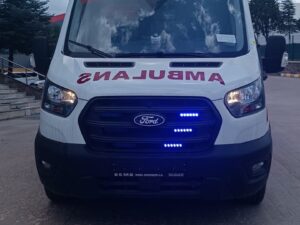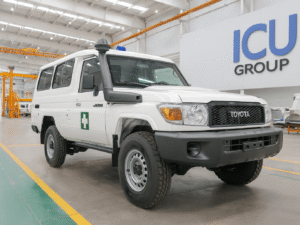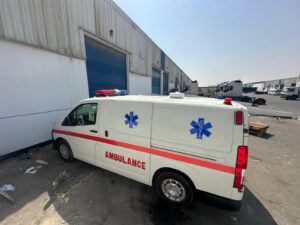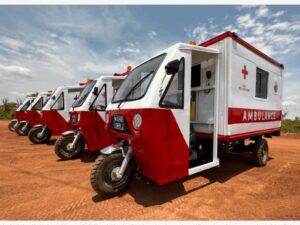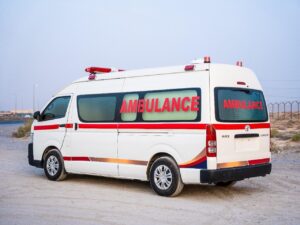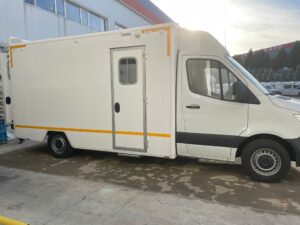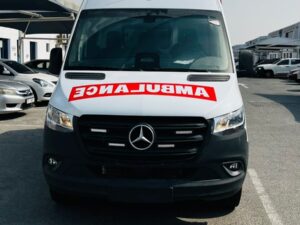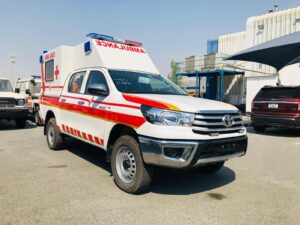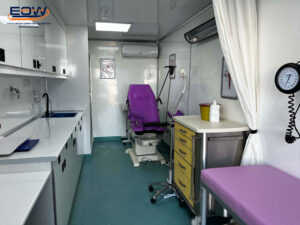
Mobile health vehicles represent the future of accessible healthcare, transforming vans, buses, and trailers into specialized medical facilities on wheels. As healthcare systems worldwide seek to reach underserved populations and reduce hospital overcrowding, these mobile units provide targeted solutions that deliver care directly to communities.
Here are the 5 essential types of mobile health vehicles for 2026, each with specific equipment configurations and clinical applications.
1. Mobile Surgery Unit: The Operating Room on Wheels
Vehicle Platform: Large coach bus or expandable trailer (8-12 meters) with hydraulic stabilization systems
Clinical Focus: Minor to intermediate surgical procedures in remote and underserved areas
2026 Key Equipment:
- Sterile Operating Theater: HEPA filtration system, laminar airflow, antimicrobial surfaces
- Surgical Equipment: Hydraulic operating table, surgical lights, anesthesia machine, electrocautery unit
- Sterilization Center: Autoclave, sterile instrument storage, gowning area
- Vital Systems: Medical gas supply (O₂, N₂O), backup generator (15-30 kVA), climate control
- Support Areas: Pre-op assessment zone, post-op recovery with monitoring equipment
Primary Applications for 2026:
- Ophthalmic Surgery: High-volume cataract campaigns in developing regions
- Reconstructive Surgery: Cleft lip/palate repair missions
- General Minor Surgery: Biopsies, skin lesion removal, vasectomies
- Disaster Response: Emergency surgical capacity when hospitals are overwhelmed
- Military Field Medicine: Forward surgical support in conflict zones
2026 Innovation: Tele-surgery support systems allowing remote specialists to guide procedures, AI-powered inventory management for surgical supplies, and solar-hybrid power systems for extended off-grid operations.
2. Mobile Gynecology & Women’s Health Unit
Vehicle Platform: Mid-sized high-roof van or small bus (6-8 meters) with privacy partitions
Clinical Focus: Comprehensive women’s reproductive health and prenatal care
2026 Key Equipment:
- Examination Area: Gynecological exam table with stirrups, privacy screens
- Diagnostic Tools: Portable ultrasound with vaginal probe, colposcope, fetal Doppler
- Screening Equipment: HPV DNA testing capability, portable cryotherapy unit for cervical lesions
- Treatment Capability: IUD insertion/removal equipment, contraceptive implant tools
- Consultation Space: Comfortable seating for patient counseling and education
Primary Applications for 2026:
- Rural Prenatal Care: Regular check-ups for pregnant women in remote communities
- Cervical Cancer Screening: HPV testing and visual inspection with acetic acid (VIA)
- Family Planning Services: Contraceptive counseling and method provision
- Postpartum Support: Maternal health checks and infant care education
- Sexual Health Services: STI testing and treatment, sexual health education
2026 Innovation: Integrated tele-colposcopy for remote specialist consultation, point-of-care STI multiplex testing, and discreet appointment scheduling via mobile apps to reduce stigma.
3. Mobile X-ray & Diagnostic Imaging Unit
Vehicle Platform: Heavy-duty truck or large bus chassis with reinforced flooring and stabilization
Clinical Focus: Advanced radiographic imaging for communities without radiology services
2026 Key Equipment:
- Imaging Systems: Digital X-ray unit (DR), possibly portable CT or mammography
- Radiation Protection: Lead-lined walls/doors, radiation monitoring badges, warning systems
- Image Management: DICOM-compatible workstation, PACS integration, 5G connectivity
- Patient Handling: Adjustable imaging table, positioning aids, wheelchair ramp
- Power Systems: High-capacity generator (30-50 kVA), power conditioning equipment
Primary Applications for 2026:
- Tuberculosis Screening: Mass chest X-ray campaigns in high-prevalence areas
- Orthopedic Assessment: Fracture evaluation in remote clinics without imaging
- Industrial Medicine: On-site occupational health screenings for workers
- Disaster Triage: Rapid radiographic assessment of multiple casualties
- Chronic Disease Management: Monitoring of COPD, CHF patients in rural areas
2026 Innovation: AI-assisted image analysis for immediate preliminary readings, low-dose imaging protocols, and drone-enabled image transmission from extremely remote locations.
4. Mobile Dental Clinic
Vehicle Platform: Medium to large van or bus with customized cabinetry (6-10 meters)
Clinical Focus: Comprehensive oral healthcare from prevention to restoration
2026 Key Equipment:
- Dental Operatories: 2-4 fully equipped dental chairs with delivery systems
- Radiology: Intraoral X-ray sensors, possibly panoramic X-ray unit
- Sterilization Center: Separate instrument processing area with autoclave
- Dental Laboratory: Small onsite lab for temporary crowns and denture repairs
- Utilities System: Compressed air, vacuum suction, water supply with purification
Primary Applications for 2026:
- School-Based Dental Programs: Screening, sealants, and education for children
- Geriatric Care: Dental services for nursing homes and senior communities
- Underserved Communities: Fillings, extractions, and cleanings in dental deserts
- Corporate Wellness: On-site dental care for employees
- Emergency Dental: Pain relief and urgent care during disasters
2026 Innovation: CAD/CAM same-day crowns, teledentistry stations for specialist consultation, and gamified oral hygiene education apps for children.
5. Mobile General Clinic (Polyclinic)
Vehicle Platform: Versatile from large vans to expandable trailers (5-12 meters)
Clinical Focus: Primary care and preventive medicine for comprehensive community health
2026 Key Equipment:
- Consultation Areas: 2-4 private examination rooms with soundproofing
- Diagnostic Suite: Vital signs monitors, ECG, point-of-care lab testing (HbA1c, cholesterol, etc.)
- Pharmacy Module: Secure medication storage with refrigeration
- Vaccination Station: Dedicated area with vaccine refrigerators and emergency response kit
- Health Education Zone: Digital displays, model demonstrations, waiting area education materials
Primary Applications for 2026:
- Chronic Disease Management: Diabetes, hypertension, and asthma care in food deserts
- Vaccination Campaigns: Routine immunizations and outbreak response
- Homeless Healthcare: Integrated medical and social services for vulnerable populations
- Rural Primary Care: Replacing closed rural clinics with scheduled mobile visits
- Corporate Health: On-site occupational health and preventive screenings
2026 Innovation: Integrated EHR with predictive analytics for population health management, IoT-connected medication dispensers for chronic patients, and virtual reality patient education tools.
Strategic Planning for 2026 Mobile Health Deployment
Cross-Cutting Technologies for All Units:
- Telemedicine Integration: 5G/Wi-Fi hotspots, secure video platforms, digital stethoscopes
- Data Management: Cloud-based EHR, patient registration systems, outcome tracking
- Sustainable Operations: Solar panels, battery storage, water recycling systems
- Accessibility Features: Wheelchair lifts, multilingual interfaces, low-literacy materials
Implementation Considerations:
- Community Partnership: Co-design services with local leaders and healthcare providers
- Route Optimization: AI-powered scheduling to maximize patient reach and minimize travel
- Staffing Models: Hybrid teams combining local healthcare workers with visiting specialists
- Regulatory Compliance: Navigating interstate/international licensing and scope of practice laws
- Financial Sustainability: Mixed funding through grants, insurance billing, and public-private partnerships
The 2026 Advantage:
Today’s mobile health vehicles are no longer just converted vans—they are smart, connected medical platforms that bring hospital-level care to the community’s doorstep. With advancements in telemedicine, point-of-care diagnostics, and sustainable design, these units represent one of the most cost-effective strategies for expanding healthcare access while reducing systemic burdens on fixed facilities.
Whether deploying a single dental van or a fleet of specialized units, mobile health vehicles in 2026 offer targeted solutions that bridge the last mile in healthcare delivery, making quality medical services a reality for millions who currently live beyond their reach.