What Are Type 1, 2, and 3 Ambulances? Key Differences Explained
Ambulance Types Guide; When you picture an ambulance, you might think of a standard van with flashing lights. But did you know there are different classifications that determine capabilities, equipment, and even chassis types? Understanding Type 1, Type 2, and Type 3 ambulances helps emergency services, hospitals, and municipalities make informed purchasing decisions that match their specific operational needs.


Type 1 Ambulance: The Modular Workhorse
Built on a truck-style chassis (like a Ford F-350 or Chevrolet 4500), Type 1 ambulances feature a separate modular patient compartment mounted on the frame. This design creates a distinctive “box on wheels” appearance. The key advantage? Greater interior space and payload capacity.
Best for:
- Long-distance patient transfers
- Systems requiring maximum equipment storage
- Areas needing advanced life support (ALS) capabilities
- Custom configurations for specialized care
Type 2 Ambulance: The Standard Van Conversion
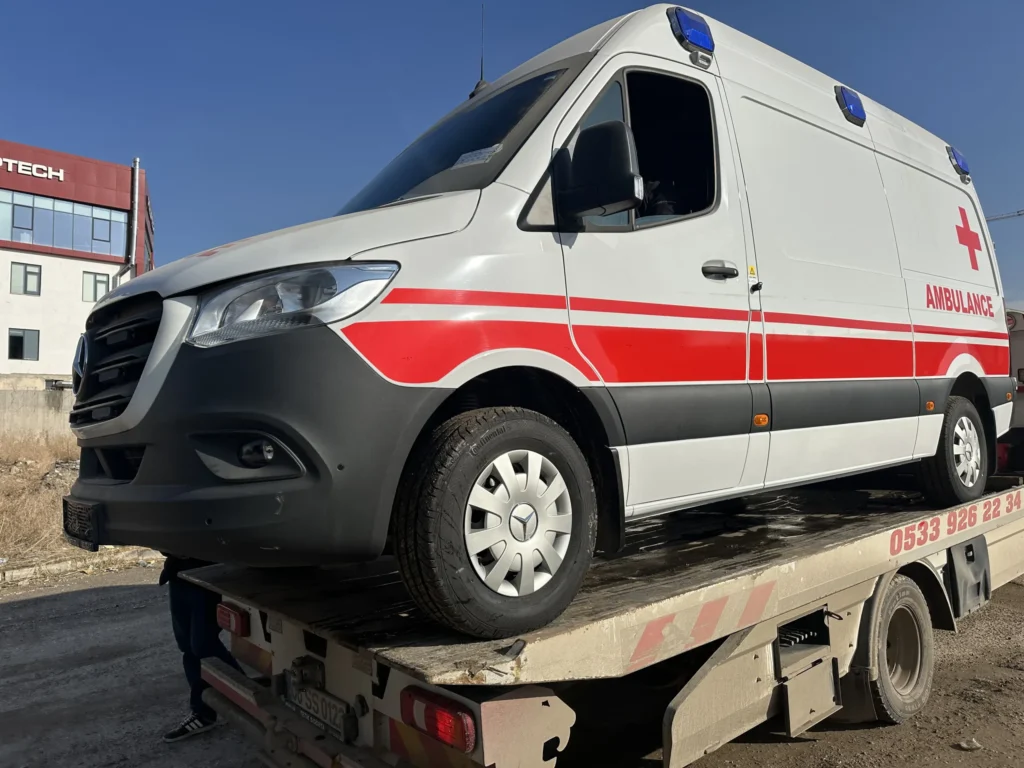
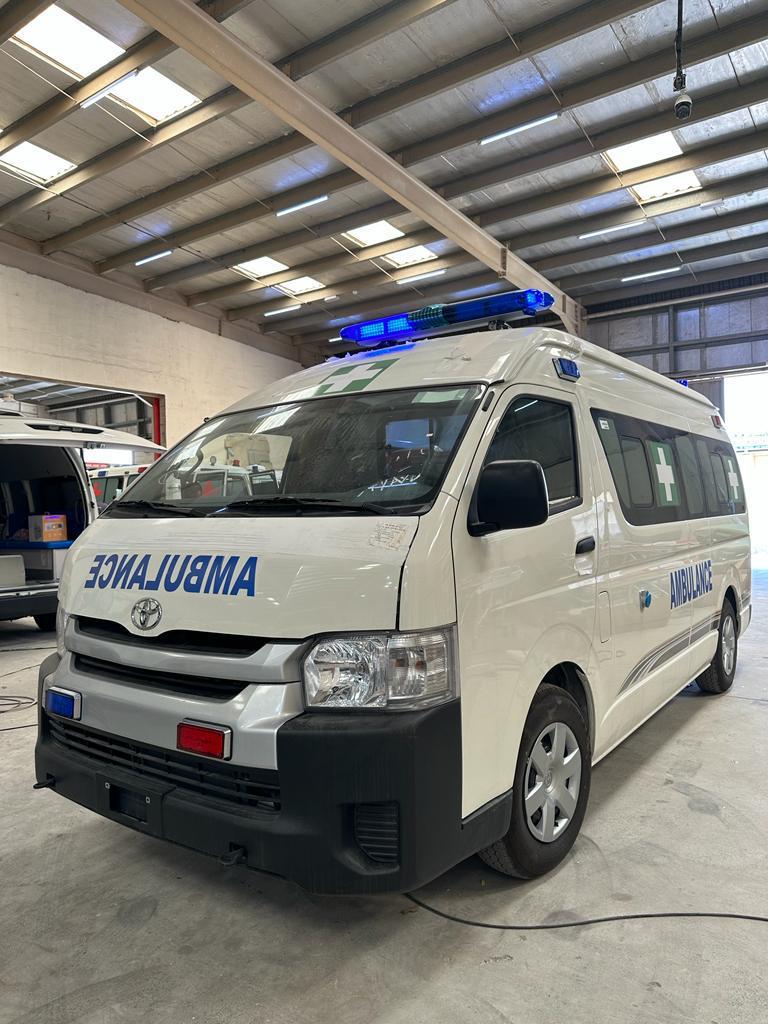
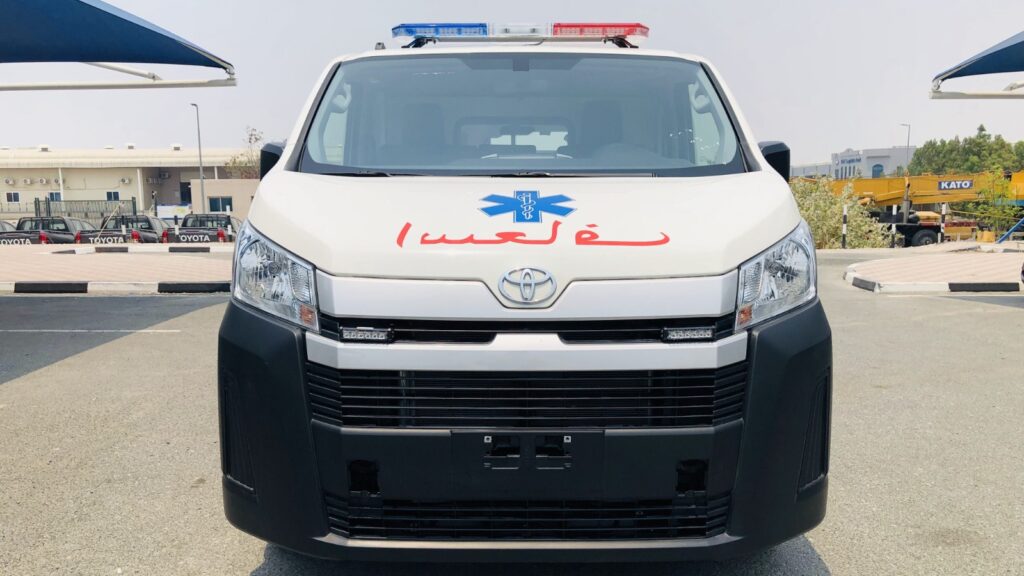
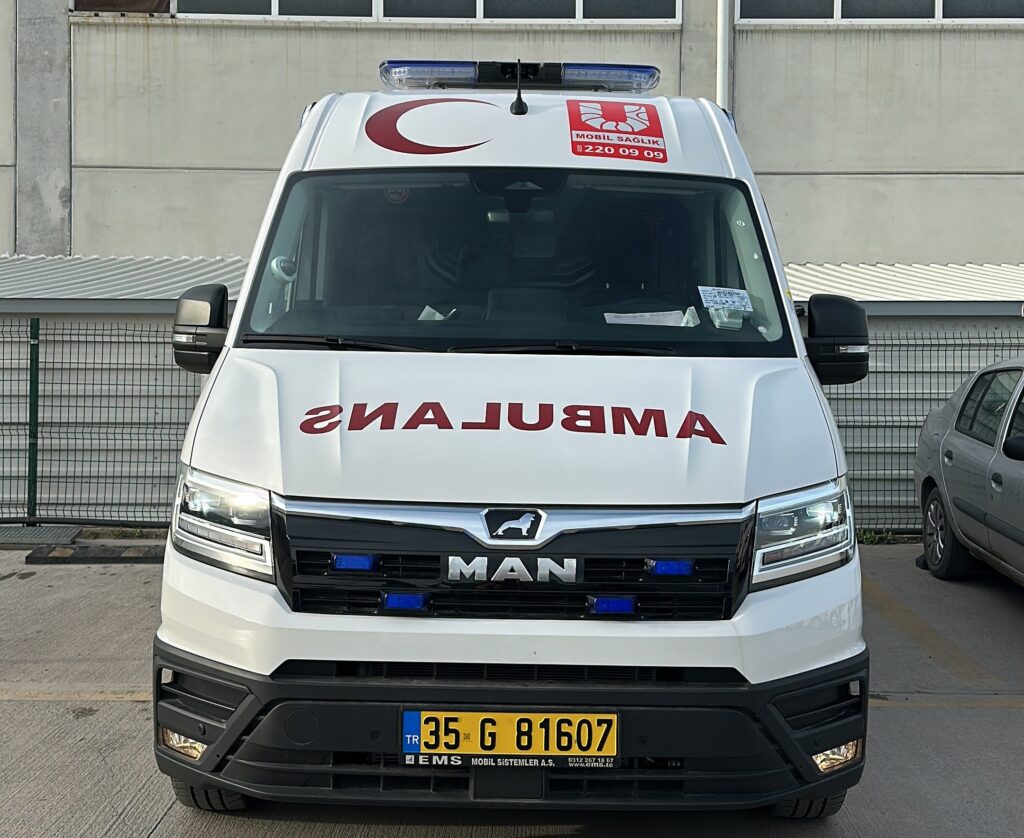
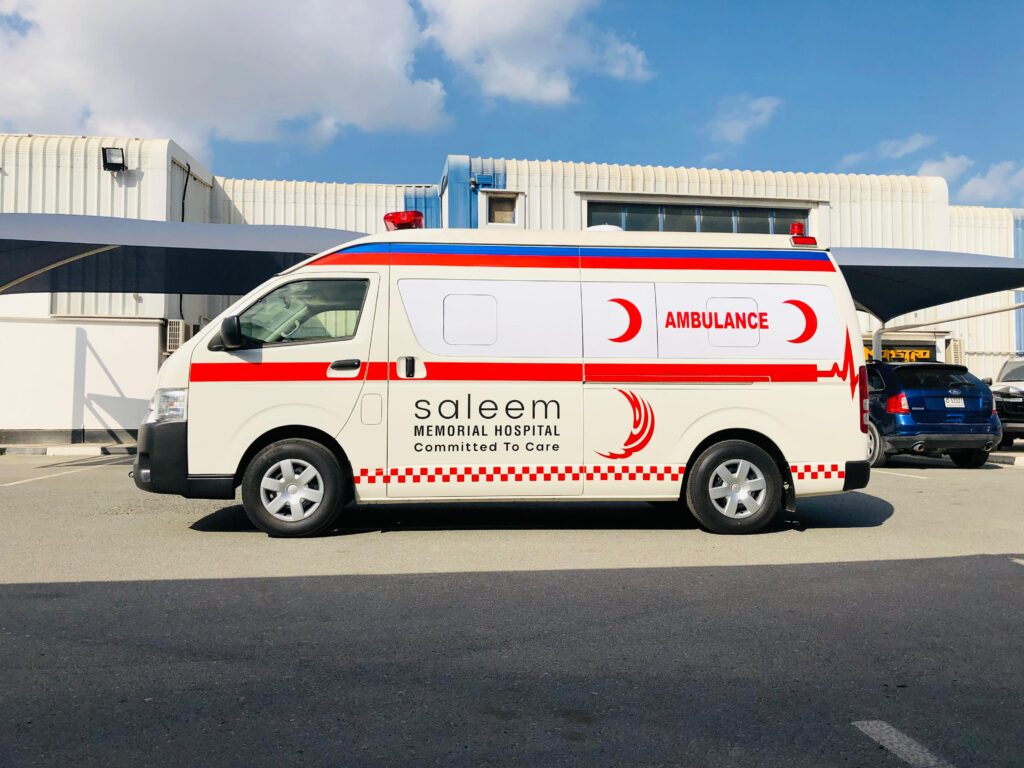
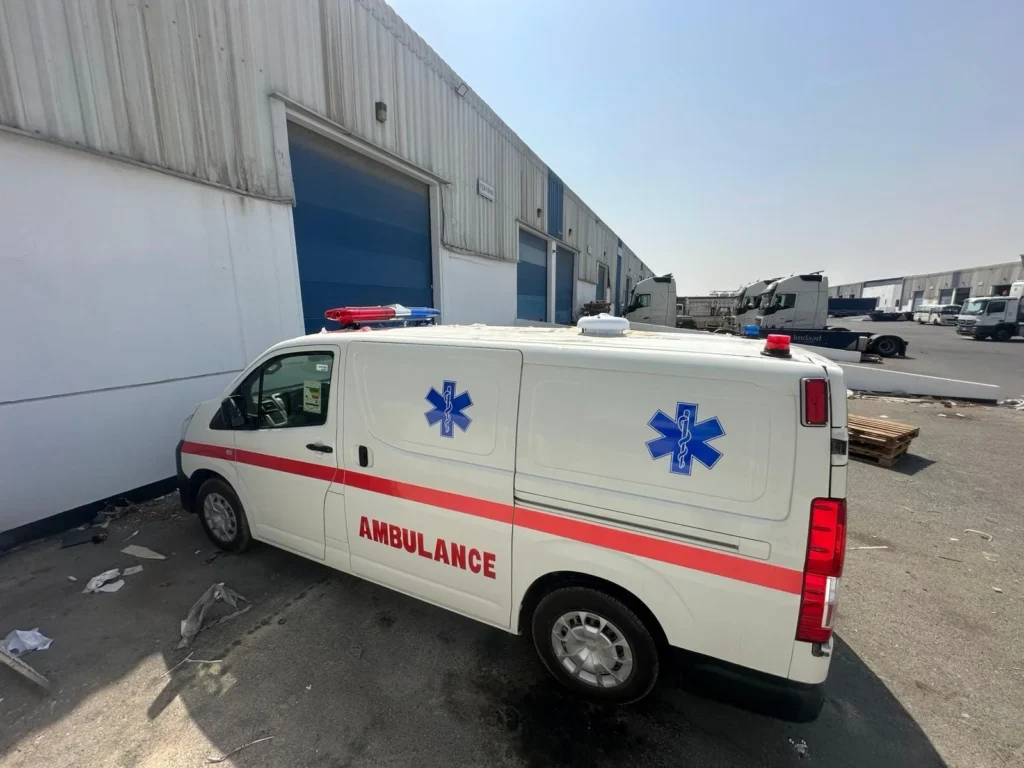
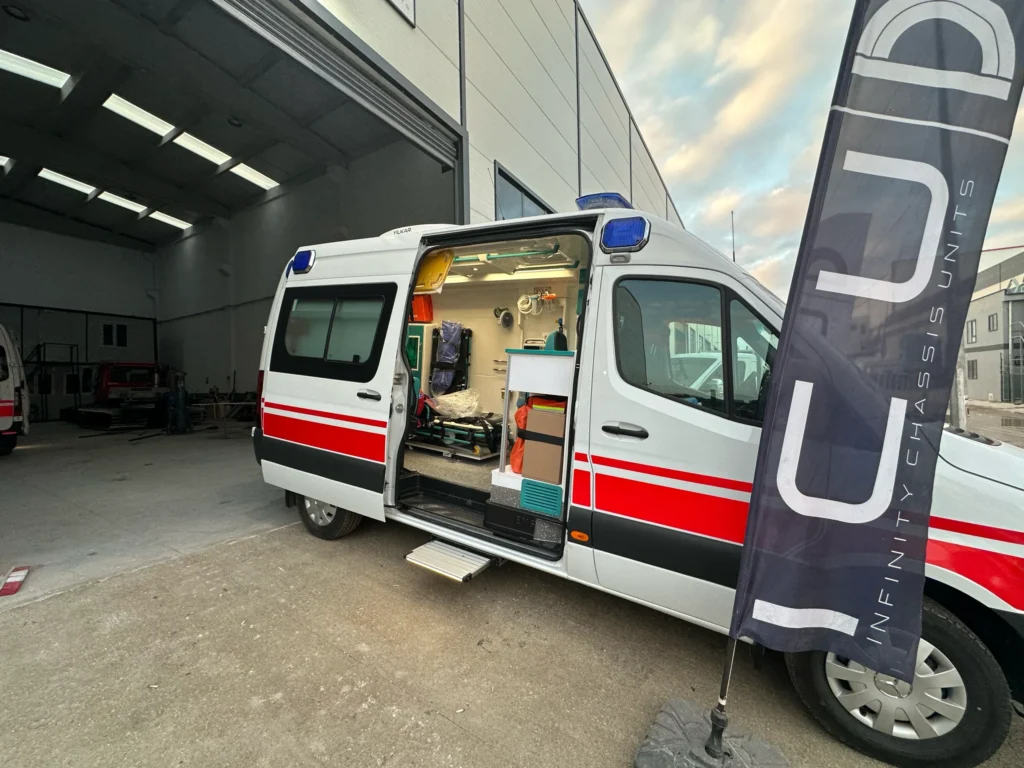
The most recognizable ambulance type, built on a van chassis (like a Ford Transit or Mercedes Sprinter) with a raised roof. The entire vehicle is integrated—there’s no separation between cab and patient compartment. While offering less space than Type 1, they provide excellent maneuverability in urban environments.
Best for:
- Urban emergency response
- Basic life support (BLS) operations
- Hospital-to-hospital transfers in metropolitan areas
- Budget-conscious fleets needing reliable service
Type 3 Ambulance: The Hybrid Specialist
Similar to Type 1 with a modular patient compartment, but built on a cutaway van chassis (like a Ford E-350). This creates a walk-through passage between driver cab and patient area—a critical feature for certain emergency procedures. Often considered the “best of both worlds” with van-like driving and truck-like space.
Best for:
- Critical care transport teams
- Neonatal/pediatric specialist units
- Systems requiring frequent equipment access during transport
- Mobile ICU configurations
BLS vs. ALS Ambulances: Equipment Lists Compared
The difference between Basic Life Support (BLS) and Advanced Life Support (ALS) ambulances isn’t just about the vehicle—it’s about the level of care that can be provided during transport.
Basic Life Support (BLS) Ambulance Equipment
These units focus on stabilization, oxygen therapy, and non-invasive interventions.
Essential BLS Equipment Includes:
- Portable and fixed oxygen delivery systems
- Automated External Defibrillator (AED)
- Basic airway management (oral/nasal airways, bag-valve masks)
- Spinal immobilization equipment (backboards, cervical collars)
- Comprehensive first aid supplies
- Vital signs monitors (blood pressure, pulse oximetry)
- Basic wound care and bandaging materials
- Emergency childbirth kits
- Patient lifting and moving devices
BLS units are typically staffed by EMTs and serve as first-response vehicles in many systems.
Advanced Life Support (ALS) Ambulance Equipment
ALS units contain everything in a BLS rig plus advanced medical equipment and medications.
Additional ALS Equipment Includes:
- Cardiac monitors with 12-lead ECG capability
- Manual defibrillators with pacing function
- Advanced airway equipment (laryngoscopes, endotracheal tubes)
- Intravenous therapy supplies and pumps
- Emergency medications (for cardiac, respiratory, allergic emergencies)
- Blood glucose monitoring
- Chest decompression equipment
- End-tidal CO2 monitoring
- Advanced trauma life support supplies
ALS units require paramedic-level certification and essentially function as mobile emergency rooms.
4×4 and Off-Road Ambulances: Solutions for Challenging Terrain
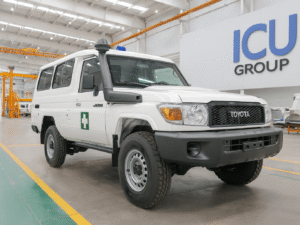
When emergencies happen in remote construction sites, mountainous regions, or disaster-affected areas with compromised infrastructure, standard ambulances simply can’t reach patients. That’s where 4×4 and off-road ambulances become literal lifesavers.
Key Features of Off-Road Ambulances:
- Enhanced Drivetrains: Permanent or selectable four-wheel drive systems with low-range gearing
- Increased Ground Clearance: Up to 12+ inches to clear obstacles
- Reinforced Suspensions: Heavy-duty shocks and springs for uneven terrain
- All-Terrain Tires: Puncture-resistant designs with aggressive tread patterns
- Water Fording Capability: Sealed components allowing operation in flooded conditions
- Winch Systems: Self-recovery capability when stuck
- Skid Plates: Protection for vital undercarriage components
Common Platforms for 4×4 Ambulances:
- Toyota Land Cruiser/Land Cruiser 70 Series: The global standard for reliability
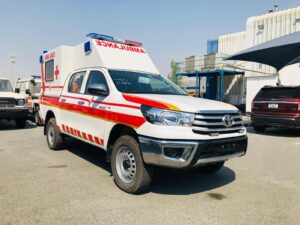
- Toyota Hilux/Ford Ranger Pickup Conversions: Cost-effective with excellent availability
- Mercedes Sprinter 4×4: Combining van space with off-road capability
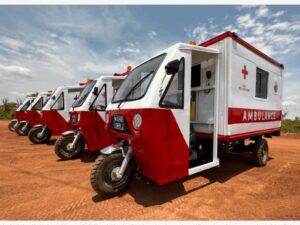
- Purpose-Built Vehicles: Custom chassis designed specifically for extreme conditions
These vehicles are essential for mining operations, oil and gas fields, mountain rescue teams, and military applications.
Intensive Care Unit (ICU) Ambulances: The Mobile Hospital Room
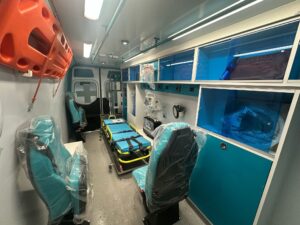
When critically ill patients need transport between facilities, a standard ambulance won’t suffice. ICU ambulances—sometimes called Mobile Intensive Care Units (MICUs) or Critical Care Transport units—essentially bring the hospital’s intensive care capabilities on wheels.
What Makes an ICU Ambulance Different?
- Advanced Monitoring: Continuous cardiac, hemodynamic, and neurological monitoring
- Ventilator Systems: Transport ventilators with multiple modes (including ICU-grade ventilation)
- Multiple Infusion Pumps: Capability to run several IV medications simultaneously
- Laboratory Equipment: Point-of-care testing for blood gases, electrolytes, and more
- Expanded Medication Storage: Refrigerated and secured compartments
- Additional Power: Increased electrical systems to support numerous devices
- Enhanced Staffing: Typically staffed by critical care nurses and paramedics
These units perform complex inter-hospital transfers for patients on life support, those requiring specialized monitoring, or neonatal transports between perinatal centers.
Pediatric and Neonatal Ambulances: Specialized Care for Our Youngest Patients
Children aren’t just small adults—their medical needs, equipment sizes, and psychological requirements demand specialized ambulance configurations.
Pediatric Ambulance Features:
- Child-Sized Equipment: Appropriately sized blood pressure cuffs, cervical collars, and airway devices
- Weight-Based Drug Dosing Systems: Color-coded systems like Broselow tapes
- Psychological Considerations: Child-friendly interior designs to reduce trauma
- Parent Accommodation: Space for a parent or guardian to accompany the child
- Specialized Monitoring: Pediatric-capable monitors with smaller leads and sensors
Neonatal Ambulance Features (Neonatal Intensive Care Transport):
- Transport Incubators: Temperature-controlled, shock-protected environments
- Neonatal Ventilators: Specialized for premature infant lungs
- Umbilical Line Capability: Equipment for accessing critical neonatal vascular access
- Monitoring for Premature Infants: Special sensors for tiny patients
- Team Configuration: Always includes a neonatal nurse and often a neonatal respiratory therapist
These specialized units significantly improve outcomes for our most vulnerable patients by providing continuity of critical care during transport.
Ambulance Types Guide ; Choosing the Right Ambulance Type for Your Needs
Selecting the appropriate ambulance isn’t about getting the “best” one—it’s about matching the vehicle to your specific operational requirements. Consider:
- Primary Service Area: Urban, rural, or mixed terrain?
- Patient Population: General emergency, critical care, pediatric, or specialty focus?
- Staff Certification Level: BLS-only, ALS, or specialty care teams?
- Transport Distances: Short emergency responses or long inter-facility transfers?
- Budget Constraints: Initial purchase price versus total cost of ownership?
Many emergency services systems employ a mix of ambulance types—using smaller, nimbler units for urban 911 response while maintaining specialized vehicles for particular missions like critical care transport or off-road recovery.
By understanding these distinctions, you can make informed decisions that optimize patient outcomes, operational efficiency, and resource allocation in emergency medical services.
Note: Specifications and standards may vary by country and region. Always consult local regulations and certification requirements when configuring emergency medical vehicles.