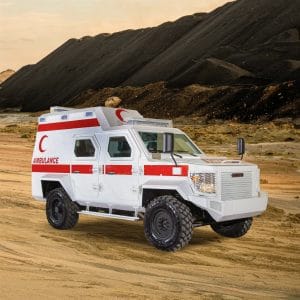
Introduction to Armored Medical Evacuation
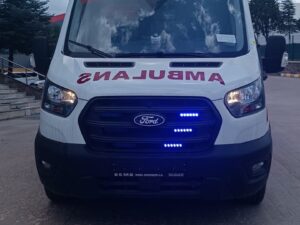
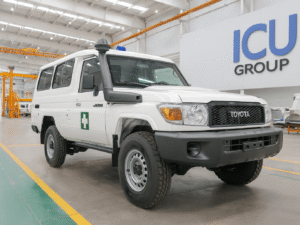
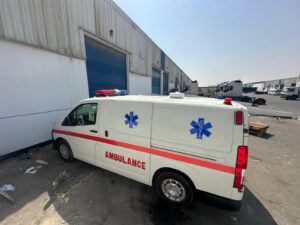
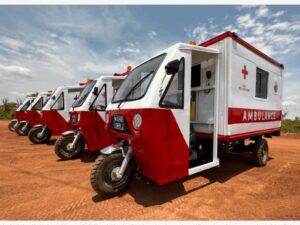
Armored Ambulances: Understanding BR6 & BR7 Protection Levels; In high-threat environments, the mission to save lives cannot stop. Armored ambulances bridge the critical gap between emergency medical response and tactical survivability. These specialized vehicles allow paramedics and combat medics to operate in hostile zones, providing vital care while shielded from ballistic and blast threats. This guide focuses on the two most common and robust protection standards: BR6 and BR7.
The Vital Role of Armored Ambulances
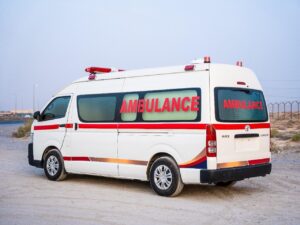
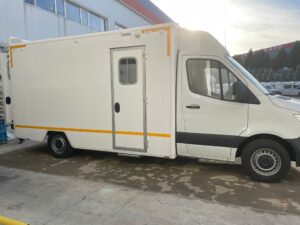
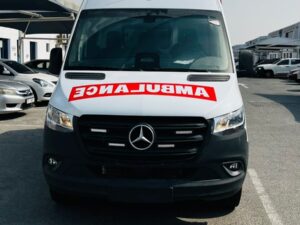
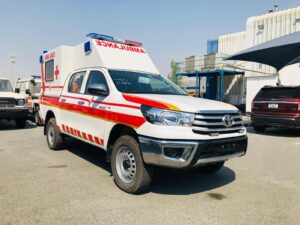
An armored ambulance is not merely a reinforced van. It is a fully-equipped mobile medical station engineered to withstand attacks. Its primary purpose is protected patient evacuation and forward medical support in areas where conventional ambulances would be vulnerable. Key operators include:
- Military forces
- Law Enforcement SWAT & tactical teams
- High-risk urban EMS services
- Government and diplomatic protection units
- Private security in conflict zones
Decoding Armor Standards: BR6 vs. BR7
The BR (Ballistic Resistance) rating, often based on standards like VPAM or EN 1522/1523, defines the level of ballistic protection a vehicle offers. It is crucial for buyers and operators to understand the practical difference between levels.
BR6 Armored Ambulance: High-Threat Protection
BR6 represents a very high level of ballistic protection, suitable for most urban and tactical scenarios.
- Primary Threat Stopped: 7.62x39mm mild steel core ammunition (common AK-47 round).
- Additional Protection: Also resistant to 5.56x45mm NATO rounds, 7.62x51mm NATO ball, and high-velocity handgun rounds.
- Blast Mitigation: Provides significant protection against grenade and IED fragmentation, as well as blast overpressure from smaller explosions.
- Typical Use Case: This is the workhorse level for military medevac in active combat zones, high-risk city EMS, and protecting against ambushes and small-arms fire during patient transport.
BR7 Armored Ambulance: Maximum Ballistic Defense
BR7 offers one of the highest levels of protection available for wheeled ambulances, designed for extreme-threat environments.
- Primary Threat Stopped: 7.62x51mm NATO armor-piercing (AP) ammunition.
- Enhanced Defense: This level is engineered to defeat hardened steel-core bullets designed specifically to penetrate armor. It offers a substantial increase in protection over BR6.
- Blast Protection: Features enhanced underbody and hull design to offer superior resistance against blast effects and fragmentation from larger IEDs.
- Typical Use Case: Used by special forces, for diplomatic medical evacuation in high-risk regions, and in areas where the threat of armor-piercing weaponry is confirmed. It is essential for operating in sustained, direct-fire engagements.
Core Features of an Armored Ambulance
Beyond the armor plating, these vehicles integrate specialized systems:
- Maintained Medical Functionality: Full interior layout for life support, patient monitoring, and emergency intervention while armored.
- Run-Flat Tire Systems: Allows the vehicle to escape the kill zone even after tires are shot out.
- Enhanced Powertrain: Upgraded suspension, brakes, and engine to compensate for the added weight of armor (which can add thousands of kilograms).
- Ancillary Systems: Optional CBRN filtration, smoke screen systems, emergency lighting, and secure communications.
Investment in Protection: Understanding the Cost
The transformation of a standard ambulance into a certified BR6 or BR7 armored vehicle is a complex engineering process. The price reflects the advanced materials, ballistic testing, and specialized manufacturing required. Armored ambulances with BR6 and BR7 protection represent a significant investment in crew and patient safety, with final costs varying based on chassis, medical equipment, and optional features. Market prices for these high-specification units typically range between $75,000 and $150,000+.
Choosing Between BR6 and BR7
The choice depends entirely on a realistic threat assessment:
- Choose BR6 if the primary threats are common small arms, rifles, and grenade fragments. It offers excellent protection for most scenarios without the additional weight and cost of the higher level.
- Choose BR7 when intelligence indicates a credible threat from armor-piercing weaponry, or if operating in an environment where such weapons are prevalent. It provides the ultimate ballistic security for the most dangerous missions.
Conclusion
BR6 and BR7 armored ambulances are indispensable assets for saving lives under fire. They ensure that the principles of emergency medical care—rapid response, stabilization, and evacuation—are upheld even in the most dangerous conditions. By selecting the appropriate armor level, organizations can guarantee that their medics have a protected platform to perform their heroic duties, making the armored ambulance a true lifeline in the most unforgiving places.
Keywords for SEO: armored ambulance, BR6 ambulance, BR7 ballistic protection, tactical medical vehicle, military ambulance, armored medevac, ballistic resistance levels, protected patient transport, combat ambulance, high-threat EMS, armored vehicle conversion, VPAM standards, blast resistant ambulance, SWAT ambulance, conflict zone medical transport.