Mobile Command Center Cost & Procurement Guide for 2026

Mobile Command Center Cost & Procurement Guide for 2026

In emergencies, speed and coordination save lives. Whether it’s a natural disaster, a security crisis, or a large-scale event, decision-makers need a centralized place to monitor, communicate, and take action. Enter the Mobile Command Center (MCC)—a fully equipped operations unit on wheels, capable of delivering strategic command and control wherever and whenever it’s needed.

This article serves as a comprehensive guide for procurement managers, government buyers, and security directors. We will explore what a mobile command center is, how it works, what industries use it, and what key features to consider when budgeting for and customizing one. Understanding the investment required for these complex assets is the first step toward building a resilient emergency response infrastructure.

What Is a Mobile Command Center?

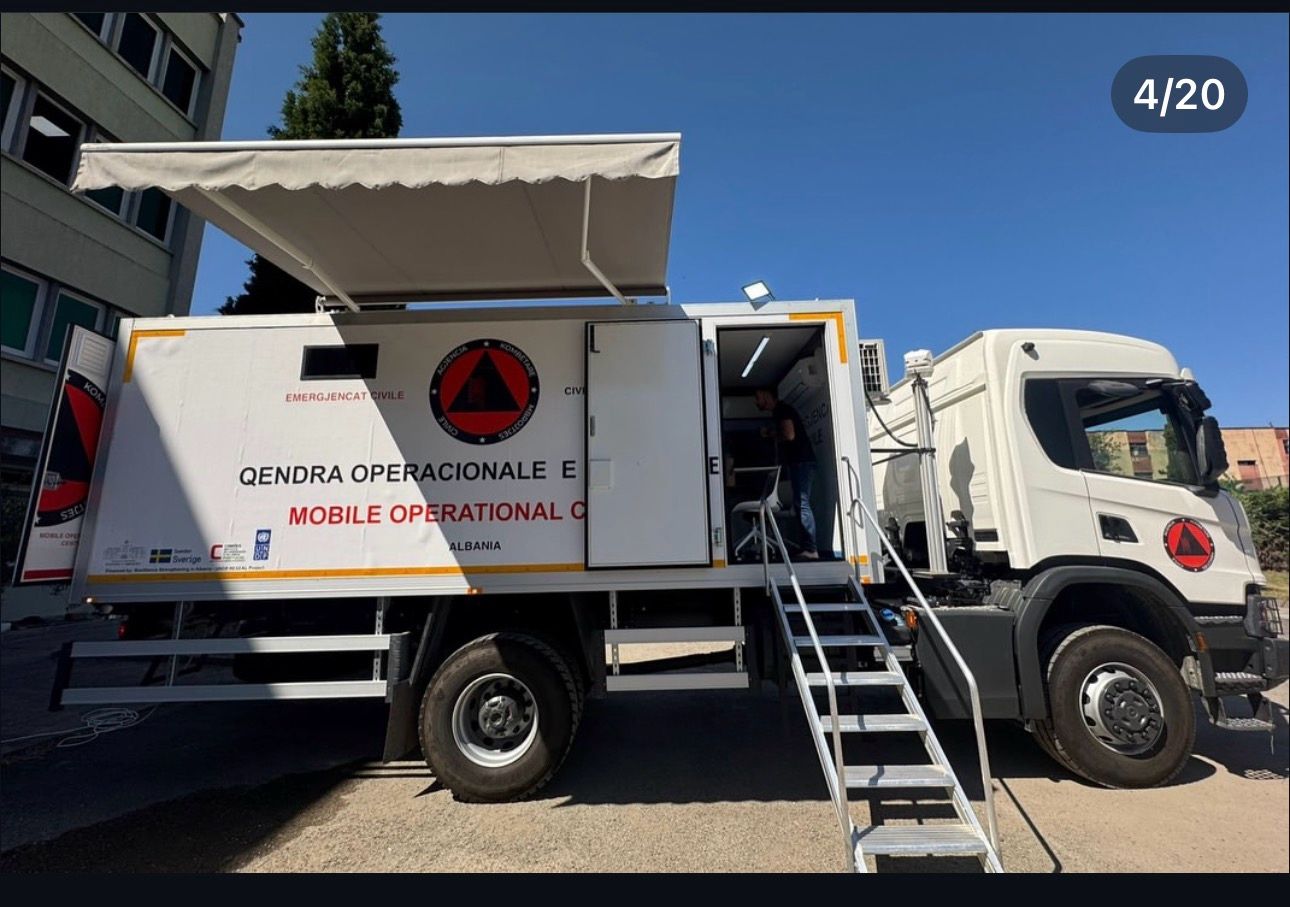
A Mobile Command Center is a specially designed vehicle that serves as a mobile operations hub for field coordination. Equipped with advanced communication systems, monitoring equipment, and IT infrastructure, it provides a secure and self-sufficient environment for:

  • Emergency coordination
  • Tactical law enforcement
  • Disaster management
  • Surveillance and reconnaissance
  • Border security
  • Military field operations

These units are often built on van, truck, trailer, or container platforms and can be rapidly deployed to areas lacking fixed infrastructure. They are not merely vehicles; they are sovereign, mobile headquarters designed to function in the most austere environments.

Who Uses Mobile Command Centers?

Mobile command units are used by a wide range of public and private sector organizations. The specific requirements of each user group directly influence the final mobile command center cost, as mission profiles dictate the level of technology and ruggedization required.

1. Emergency Response Agencies
Fire departments, civil defense, and disaster relief organizations use MCCs to coordinate rescue operations and logistics in crisis zones. Their focus is on interoperability with first responder radio networks and resilience against natural elements.

2. Police and Law Enforcement
Used for riot control, hostage situations, border patrols, and high-risk operations. Law enforcement units often require silent observation modes, encrypted communications, and integration with city-wide surveillance camera networks.

3. Military Forces
Mobile command posts are vital for battlefield coordination, communications, and field intelligence gathering. Military specifications (MIL-STD) for durability, electromagnetic pulse (EMP) protection, and tactical mobility are standard here, which places these units at the higher end of the cost spectrum.

4. Government and Municipalities
For large public events, elections, or crises, MCCs serve as local headquarters. These units often prioritize meeting space and public information dissemination capabilities over tactical stealth.

5. Private Security and Critical Infrastructure Operators
Used to monitor and manage large-scale operations such as oil fields, mines, or industrial zones. Here, integration with private security networks and long-duration field sustainability are paramount.

Key Features That Define the Mobile Command Center Cost

A modern mobile operations center is much more than a vehicle—it’s a rolling headquarters. The final price is the sum of its complex systems. While basic configurations start lower, a fully capable, mid-range MCC typically represents a significant public investment. Buyers should anticipate a market estimate generally ranging from USD 60,000 to USD 95,000 for simpler builds, with highly customized, heavy-duty units exceeding this range.

1. Chassis and Vehicle Type
Choose a platform based on terrain, mobility needs, and interior space. A van-based unit on a Mercedes Sprinter or Ford Transit chassis is compact and fast for urban operations, representing a lower entry price. Truck-based units on Iveco or MAN platforms offer more space and rugged terrain capability. For harsh environments requiring 4×4 or 6×6 off-road versions, the chassis cost alone escalates the project significantly.

2. Communication Systems
The core of any MCC is its communications capability. This includes VHF/UHF radios, satellite uplink and downlink systems, 4G/5G cellular routers, mesh network integration, and a telescopic antenna mast. The complexity of ensuring seamless, encrypted communication across multiple bands and satellites is a primary driver of the mobile command center cost.

3. IT and Control Systems
The interior is designed for information dominance. This requires workstations with dual monitors, integrated server racks, secure VPN access, IP-based intercom systems, and large wall-mounted displays for maps and video feeds. The computing power and network security architecture required for real-time data analysis add considerable value and cost.

4. Power and Autonomy
To be truly independent, an MCC requires a robust power system. This typically includes a diesel generator or lithium battery bank, an uninterruptible power supply (UPS) to prevent data loss, and solar panel options for silent watch. The ability to operate for 24 to 72 hours without external support is a key performance indicator that directly impacts the budget.

Applications and Operational Benefits

Depending on the configuration, MCCs can support a variety of tasks: incident management, acting as a communications hub between field and HQ, or a surveillance center using real-time cameras and drones. They also serve as secure IT operations centers and briefing rooms for commanders.

The benefits of deploying a mobile command unit are clear. They offer rapid deployment, becoming fully operational within minutes of arrival in remote areas. With built-in power and data systems, they provide total independence from damaged local infrastructure. They enhance situational awareness through real-time information gathering and facilitate multi-agency coordination by providing a shared space for police, fire, and medical teams to collaborate on-site.

FAQ: Mobile Command Center

1. What is the average price range for a mobile command center?
For a mid-range mobile command center equipped for basic incident command and communications, the cost generally falls between USD 60,000 and USD 95,000. Larger, truck-based units with extensive IT integration and satellite communications will exceed this range significantly.

2. What factors most influence the final cost of an MCC?
The primary cost drivers are the type of chassis (van vs. heavy truck), the sophistication of the communication and IT systems, the level of interior customization, and the required power autonomy. Ballistic protection or CBRN filtration systems also add substantial cost.

3. How long does it take to build and deliver a custom mobile command center?
Lead times vary significantly based on complexity. A standard build on a readily available chassis might take 6–9 months. Highly customized units with specialized requirements can take 12–18 months from contract award to delivery.

4. What are the ongoing costs of owning a mobile command center?
Beyond the purchase price, owners must budget for regular generator maintenance, electronic system upgrades, software licensing, and vehicle maintenance. It is advisable to allocate 5–10% of the initial purchase price annually for maintenance and technology refresh cycles.

5. Can an existing vehicle be converted into a mobile command center?
Yes, it is possible to upfit an existing, mechanically sound vehicle, such as a used bus or truck. This can be a cost-effective way to acquire an MCC, though the integration of modern technology must be carefully planned to ensure the vehicle’s electrical and cooling systems can handle the load.