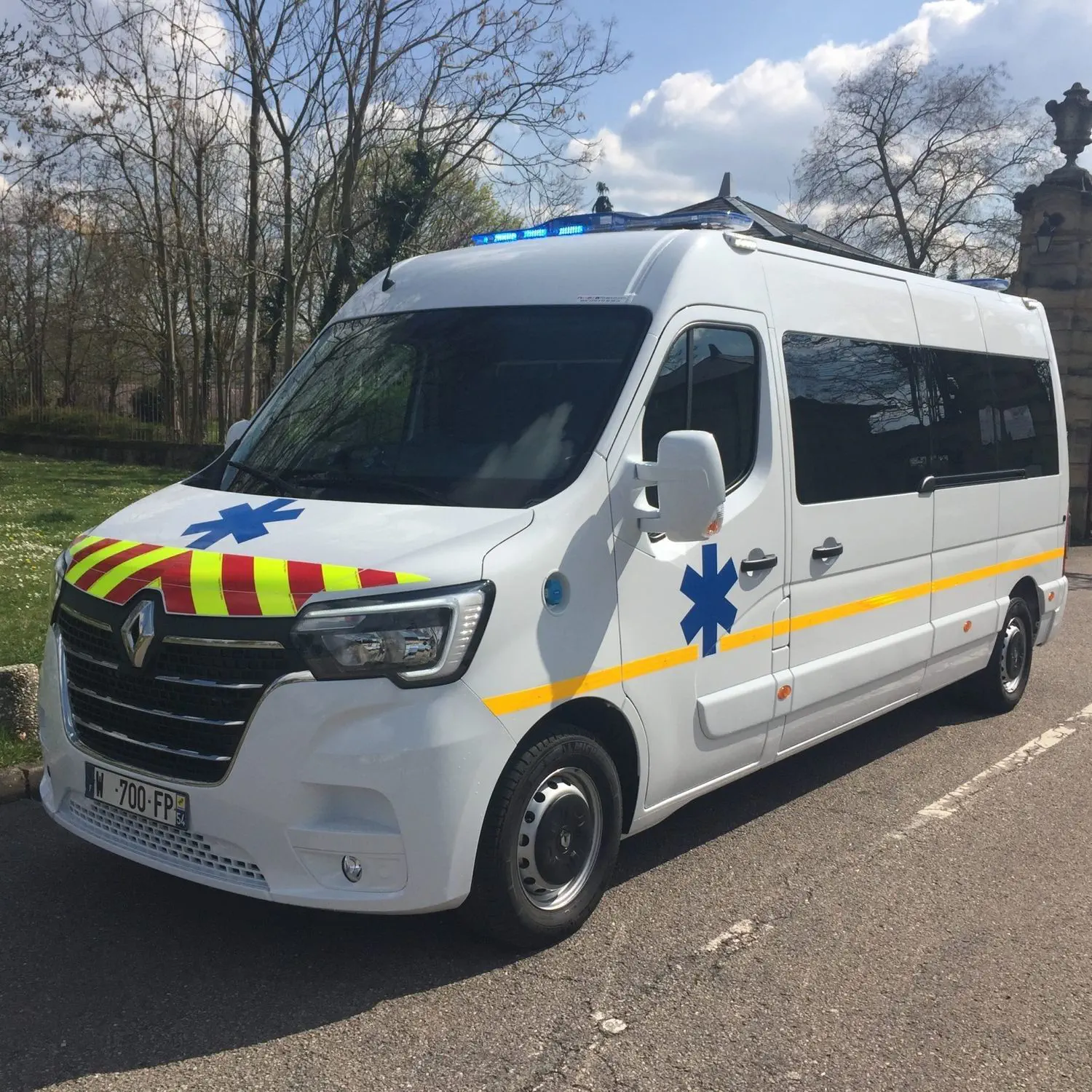
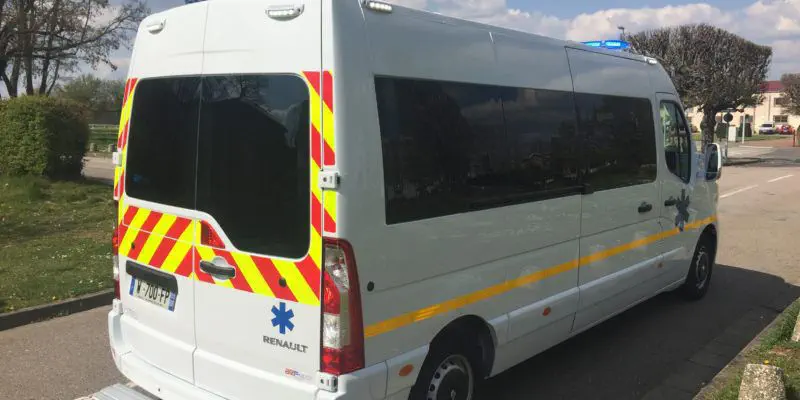
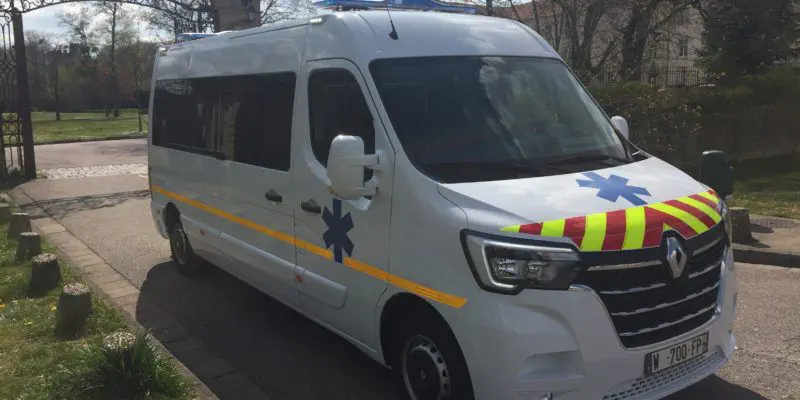
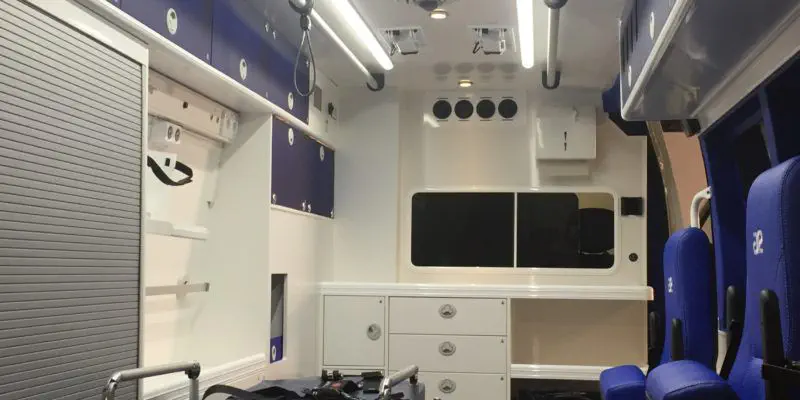
Renault Master Ambulance
Product Request Form
Medical Ambulance Conversions by Infinity Chassis Units
Infinity Chassis Units (ICU) is a Turkish engineering-led manufacturer of Renault Master Ambulance tailored for international export. With deep expertise in structural engineering, vehicle conversion, and compliance systems, ICU delivers fully integrated medical transport solutions based on platforms like the Renault Master.
Built under ISO 9001:2015 certified processes and aligned with EN 1789 European Ambulance Standards, ICU’s Renault Master ambulance conversion is widely adopted across public EMS, private hospitals, NGOs, and government health projects.
Vehicle Overview: Renault Ambulance for Intercity and Emergency Use
The Renault Ambulance is a high-roof, front-wheel drive van with excellent space optimization, smooth drivability, and a low cost of ownership. Available in L2H2, L3H2, and L3H3 formats, it is ideal for:
Emergency response in urban or rural areas
Inter-hospital and long-distance patient transfer
Mobile clinic services
Humanitarian and NGO medical operations
Also recognized internationally as “ambulancia Renault Master”, “Renault Master ambulancia”, and “Renault Master ambulance for sale”, this model is known for its versatility, fuel efficiency, and widespread after-sales support in both developed and developing markets.
Renault Master Ambulance Conversion Highlights
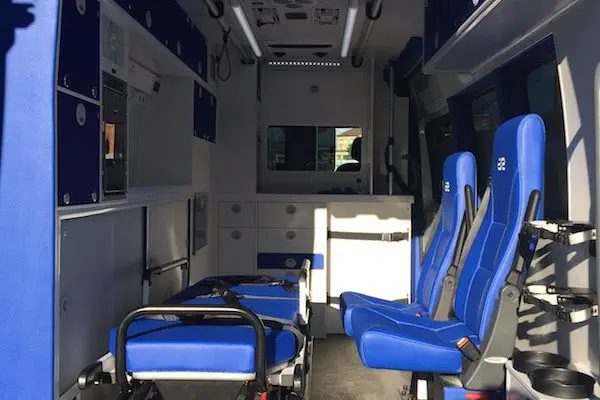
Fully compliant EN 1789-based medical layout
Lightweight antibacterial interior panels
Integrated stretcher retention, oxygen, and suction systems
High-efficiency climate control (up to 24,000 BTU)
Medical cabinetry with soft-close locking drawers
LED lighting, red/white interior night mode
Touchscreen control panel, inverter, and battery management system
Custom branding, markings, and language localization
Technical Specifications (Typical)
Platform: Renault Master L3H2 or L3H3
Wheelbase: 4,332 mm
Interior standing height: up to 2,140 mm
Drive: 4×2 front-wheel drive
Transmission: Manual or automatic
Fuel: Diesel (Euro 6 / Euro 4 export versions available)
Available Configurations
BLS Ambulance (Basic Life Support)
ALS Ambulance (Advanced Life Support)
ICU Ambulancia Renault – for inter-hospital intensive care
Configurable in left-hand or right-hand drive
Language options: English, Spanish, French, Arabic, Russian
Compliance & Certification
EN 1789:2020 compliance
CE Marking for electrical and medical systems
ISO 9001:2015 certified production
Conformity of Production (COP) support
Full homologation documentation for export registration
Applications
Public and private EMS fleets
Hospital-based medical transport
UN and NGO health logistics programs
Mobile clinics for rural or low-access regions
Disaster and emergency relief
Renault Master Ambulance Price & Export Details
The price of a Renault Master ambulance depends on the selected configuration (L2H2, L3H2, L3H3), medical layout (BLS/ALS/ICU), and export location. Typical 2026 pricing ranges from:
$58,000 to $89,000 EXW
ICU provides full FOB, CIF, and DDP quotes, along with compliance matrix, technical data sheets, and after-sales spare parts support.
Frequently Asked Questions
What is the price of a Renault ambulance?
Pricing typically ranges from $58,000 to $89,000 EXW in 2026, depending on the selected vehicle variant, interior layout (BLS, ALS, ICU), and required export documentation.
Which configurations of Renault Master ambulance are available?
ICU offers L2H2, L3H2, and L3H3 configurations of the Renault Master ambulance, each fully customizable with appropriate medical equipment, cabinetry, oxygen systems, and patient transport layouts.
Is the ambulance compliant with EN 1789?
Yes. All ICU ambulance conversions, including the Renault Master, follow the EN 1789:2020 European Ambulance Standard, ensuring quality, safety, and compliance for international use.
Can the Renault ambulance be exported globally?
Yes. ICU is an experienced export supplier and provides the Renault Master ambulance with CE certification, COP documentation, and homologation files for registration in over 40 countries.
Do you provide localization for different languages?
Yes. Interior labels, user manuals, and external markings can be provided in Spanish, French, Arabic, Russian, or any other requested language to meet localization needs.


