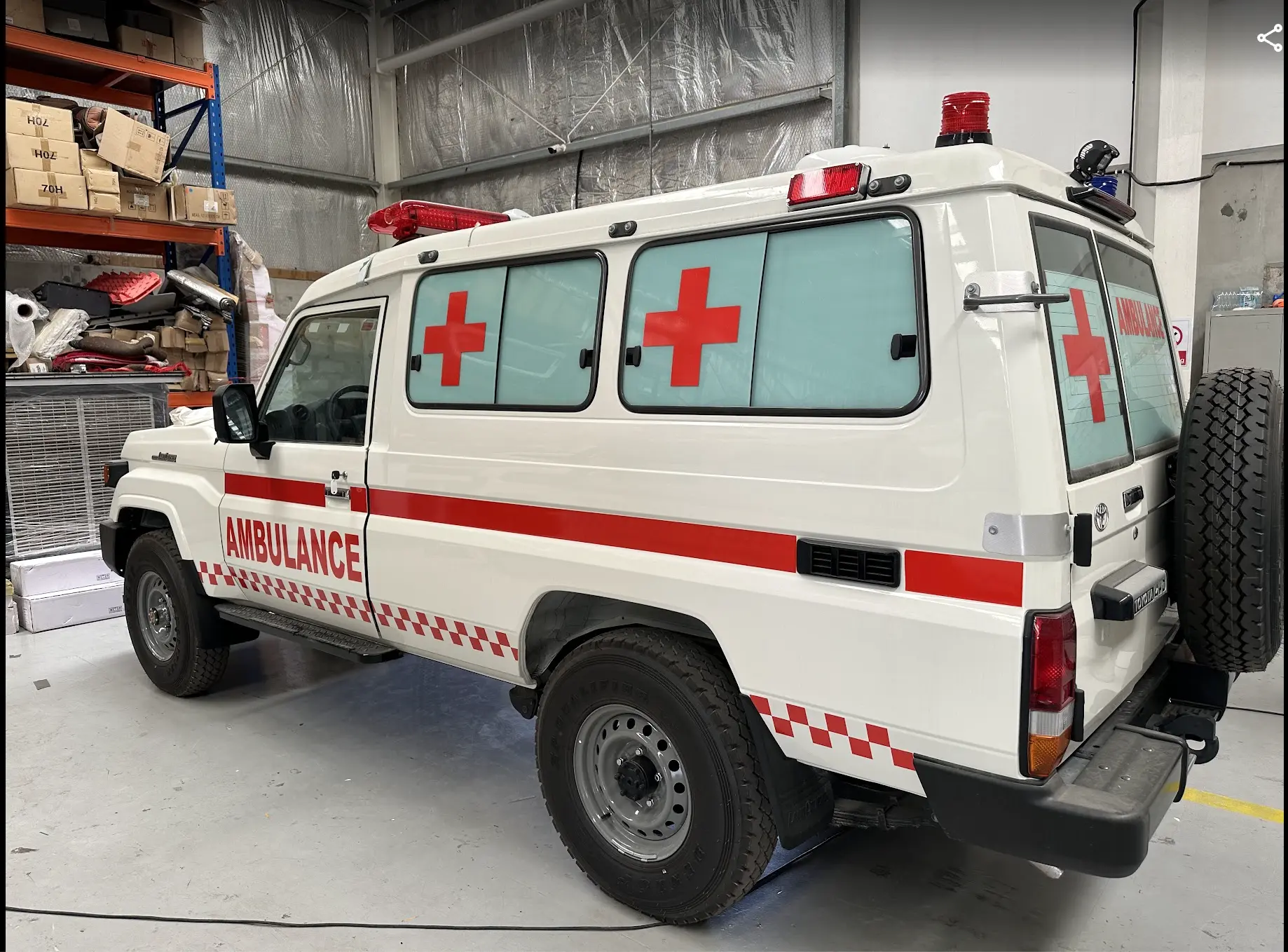
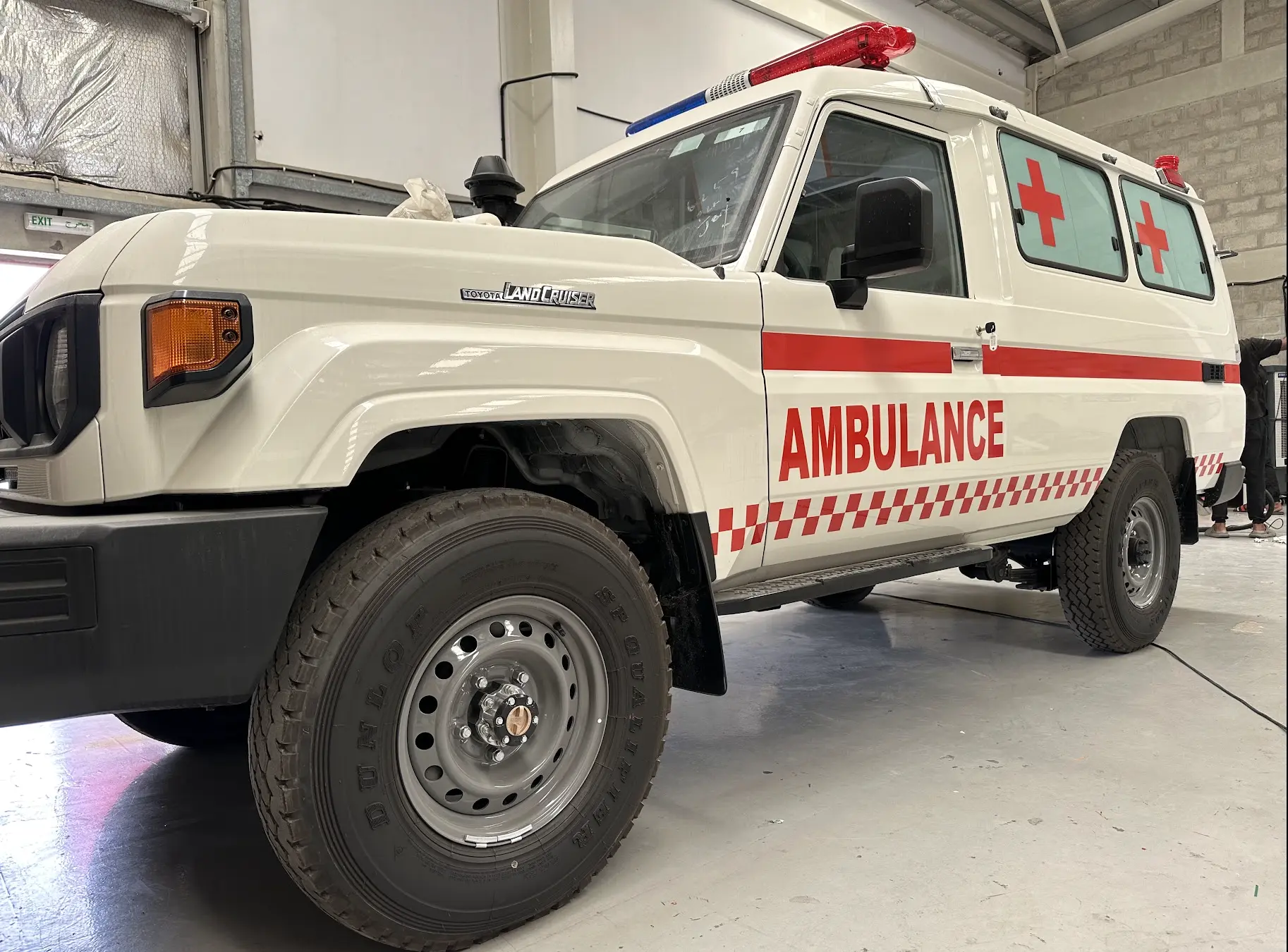
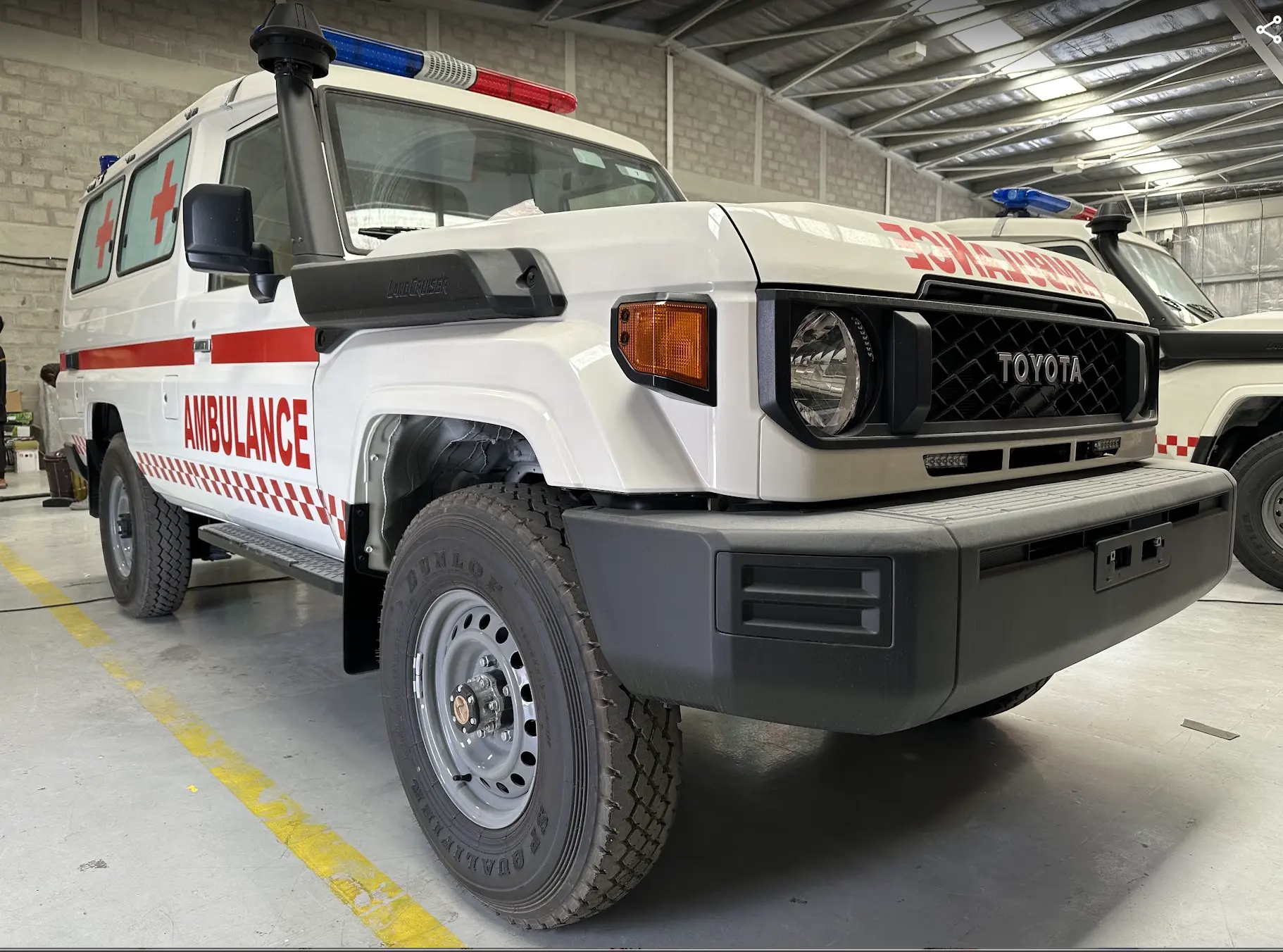
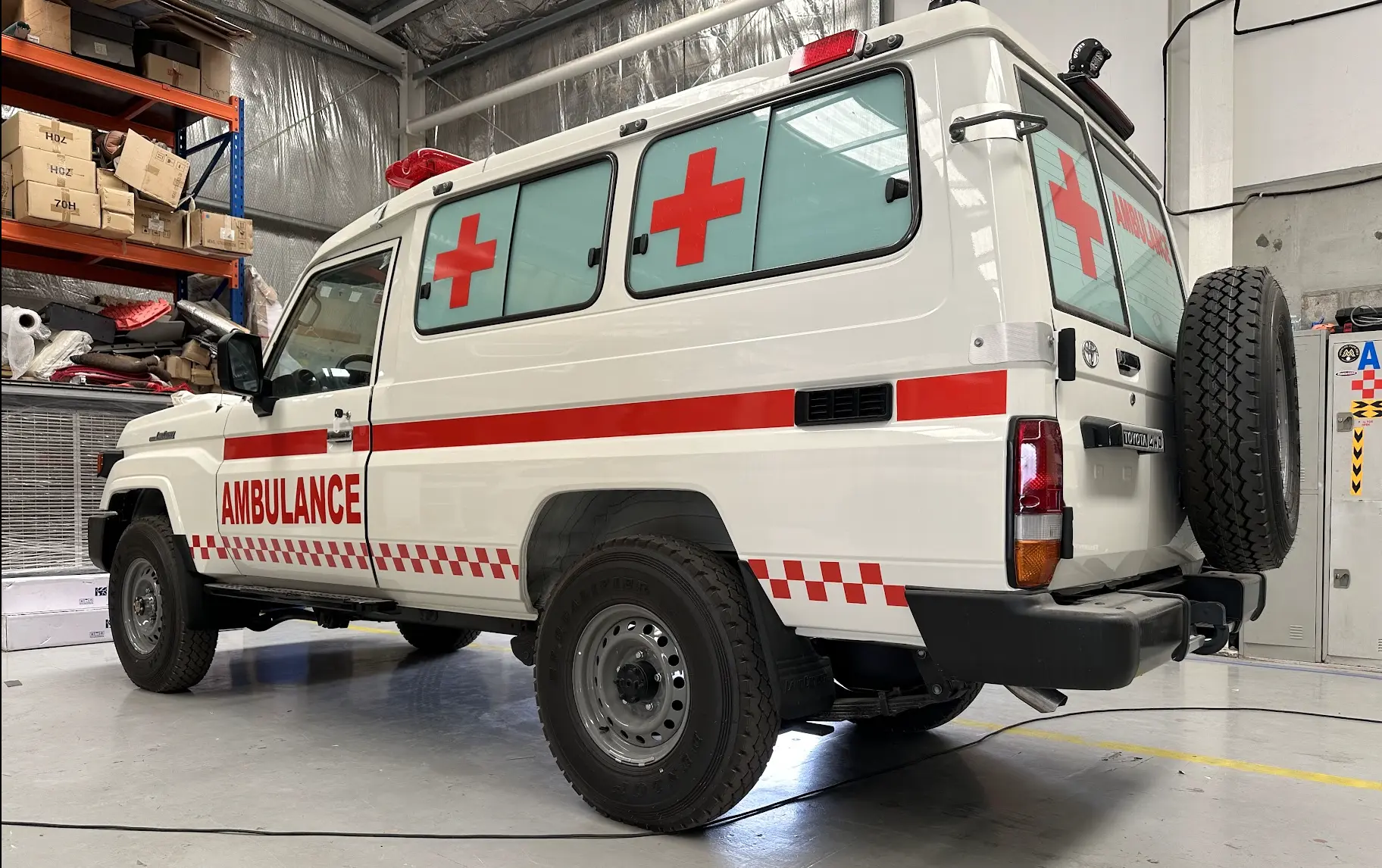
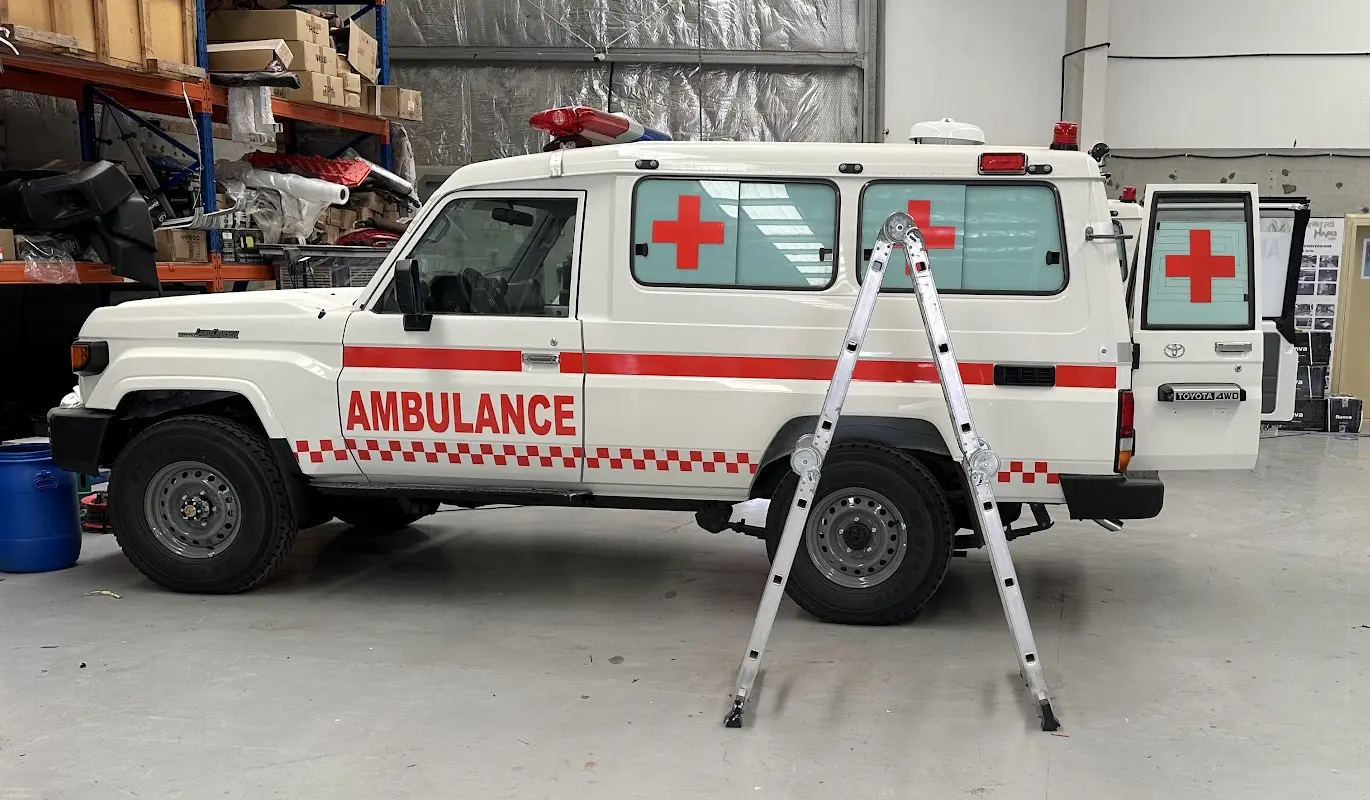
When your emergency medical services take you far from paved roads and reliable infrastructure, you need a vehicle that’s more than just an ambulance—you need a lifeline. For decades, the Toyota Land Cruiser has been the gold standard for durability and off-road performance across Africa, the Middle East, and other challenging environments. Now, purpose-built by specialized manufacturers like ICU Automotive, the Toyota Land Cruiser Ambulance LC78 V6 combines this legendary reliability with a fully equipped medical module to create the ultimate mobile medical unit .
This isn’t just a van with some medical gear thrown in the back. It’s a meticulously engineered emergency response vehicle designed to reach patients in remote locations where conventional ambulances simply cannot go.
Built on a Legendary Foundation: The Toyota LC78
The LC78, often referred to as the ‘Troop Carrier,’ is the ideal platform for an ambulance conversion . Its body-on-frame construction and proven 4×4 drivetrain are built to withstand decades of abuse on rough terrain. Unlike modern vehicles with complex electronics that can fail in the field, the LC70 series is renowned for its simple, field-serviceable mechanical systems . This means if something does break in a remote area, repairs are possible without a specialized dealership.
Powertrain and Performance
Under the hood of the LC78 V6 ambulance, you’ll find a robust 4.0-liter V6 petrol engine. This engine, part of Toyota’s reliable 1GR-FE family, is designed for high-torque performance . It produces approximately 245 horsepower, providing ample power to move a fully loaded ambulance swiftly across highways and through demanding off-road conditions .
The engine is mated to a smooth and durable automatic transmission, which is a significant advantage for emergency response. It allows the driver to focus on navigating difficult terrain and traffic without the distraction of shifting gears, ensuring a faster and safer response.
A Fully Equipped Mobile ICU
The conversion from a troop carrier to a life-saving ambulance is a comprehensive process. The LC78 V6 ambulance features a modular rear compartment that serves as a fully functional patient care area . Key features of the medical module include:
-
Multi-Patient Transport: The interior is configured to accommodate up to four stretchers, making it invaluable for mass casualty incidents or transporting multiple patients .
-
Medical Grade Systems: The vehicle is equipped with an integrated oxygen therapy system, with wall outlets and secure mounts for oxygen cylinders, allowing for immediate respiratory support during transport .
-
Secure Storage: The rear cargo area is fitted with specialized cabinets, drawers, and racks designed to securely store advanced life-support equipment, trauma kits, and other medical supplies, ensuring everything remains in place even when traversing rough terrain .
-
Functional Design: A bulkhead with a sliding window separates the driver’s cab from the patient area, allowing for communication and patient monitoring while maintaining a clean environment . The front passenger seat may be reconfigured to allow medical personnel easier access to the patient area while the vehicle is in motion.
Dimensions and Capacity
-
Total Length: Approx. 197 inches (5.0 meters)
-
Total Width: Approx. 77 inches (1.96 meters)
-
Total Height: Approx. 76 inches (1.93 meters)
-
Stretcher Capacity: Up to 4
Safety, Reliability, and Specialized Conversions
The Land Cruiser‘s reputation for safety is built on its robust construction and stability. For those operating in high-risk areas, this platform can be further enhanced. Specialists like Alpine Armoring offer armored versions of the Toyota Land Cruiser 78 ambulance. These heavily armored vehicles provide ballistic protection up to CEN B7+ levels, capable of stopping high-caliber rounds, and feature run-flat tire inserts, reinforced suspension, and advanced communication systems, ensuring medical teams can operate safely in conflict zones .
However, even in its standard ambulance configuration from manufacturers like ICU Automotive, the LC78 V6 is trusted by organizations worldwide for its dependability .
The Bottom Line
The Toyota Land Cruiser Ambulance LC78 V6 is more than a vehicle; it is a mobile emergency room built to go anywhere. It combines the legendary, go-anywhere reliability of the Toyota Land Cruiser with a modern, well-equipped medical module. For NGOs, humanitarian organizations, government health ministries, and military forces operating in demanding environments, this ambulance represents the gold standard in field medical response . It ensures that no matter how remote the location, professional medical care can arrive quickly and safely.


